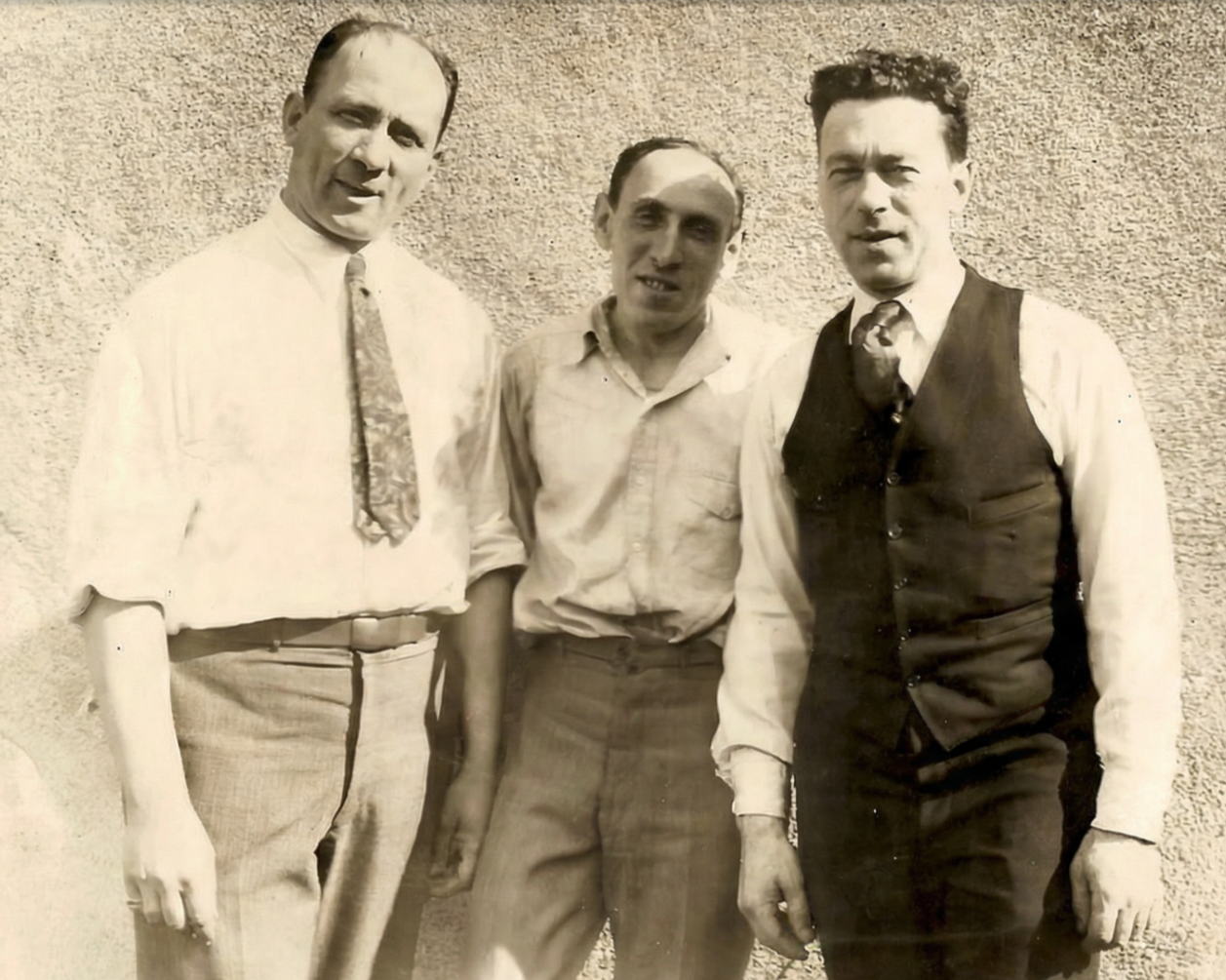
With encouragement from their father, Abraham, a tailor and shopkeeper, 18-year-old Jack Golomb (Jacob J. Golomb) and 21-year-old Morris Golomb founded the Everlast Sporting Goods Manufacturing Company on New York City's Lower East Side, specializing in boxing, with safety, innovation, and quality that lasts as the hallmark of the company.

The Golomb Family &
The History of Everlast
Everlast was founded and built by the Golomb family, whose work helped define boxing's golden era. From early innovations in boxing equipment to supplying world champions, that legacy carried forward through John Golomb's work as The Glove Doctor and continues today through GOLOMB's handcrafted boxing gloves and American-made gear. This timeline traces the evolution of boxing, craftsmanship, and the enduring standard set by the Golomb family.
1910
1916
After years of diligently developing, designing, and testing sporting goods equipment, Jack and Morris produce their first catalog featuring their own items and gear from other manufacturers they thoroughly endorse.
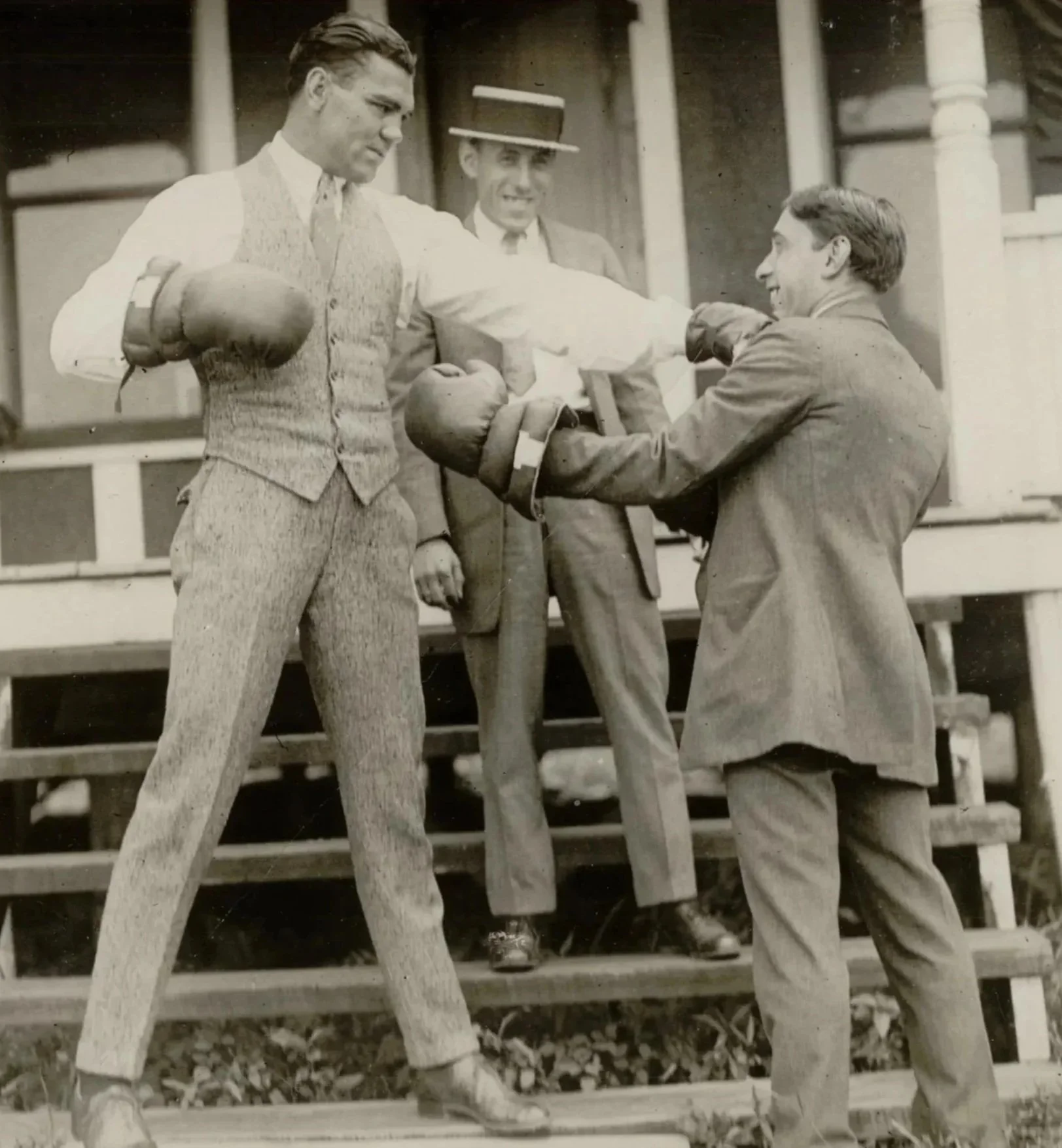
A young Jack Dempsey — soon to become boxing's first superstar — arrives in New York City in need of training headgear that lasts more than 15 rounds. The Golomb brothers work with Dempsey to modify their revolutionary headguard design.
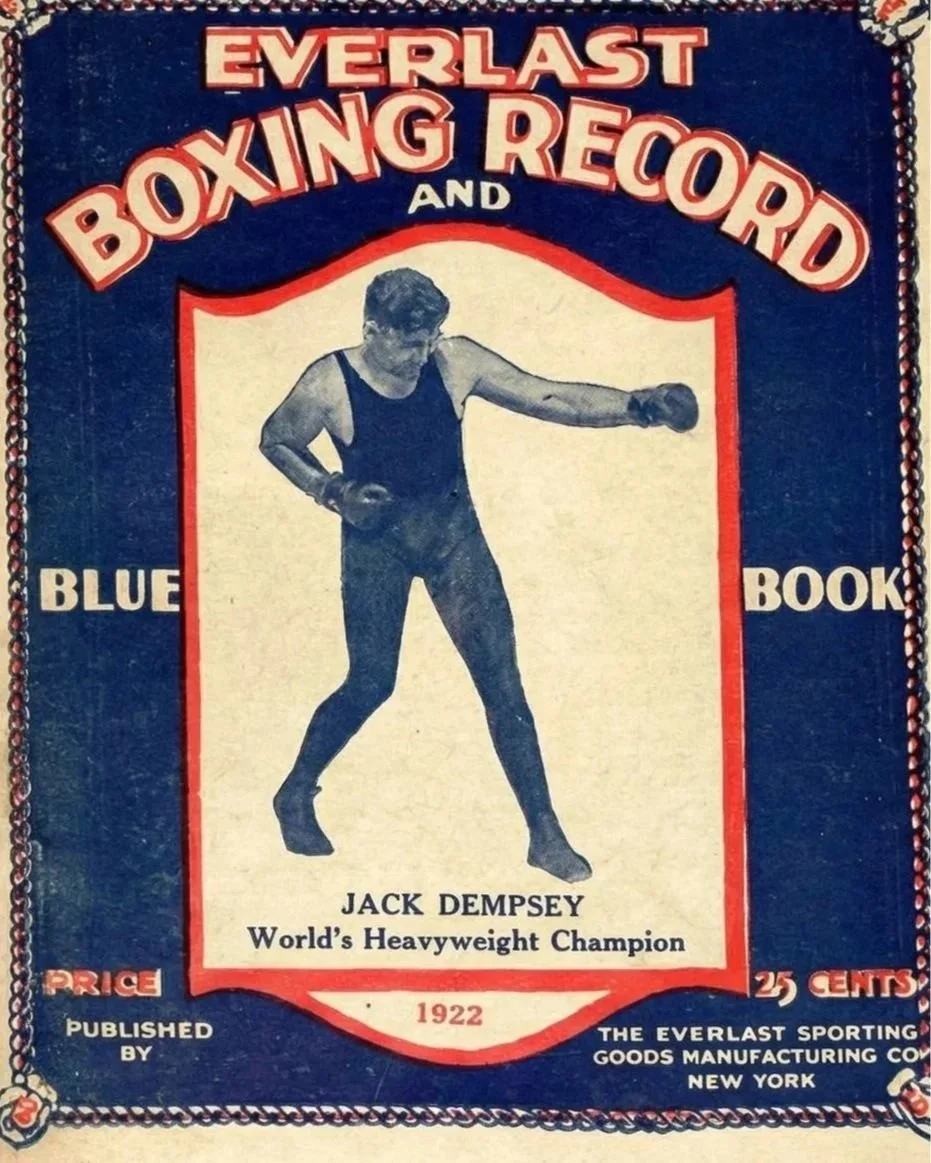
Jack publishes the first Everlast Boxing Record, known as the Record Book, providing an opportunity for boxing fans to follow vital statistics and match-ups and read anecdotes about the champs.
1922
1925
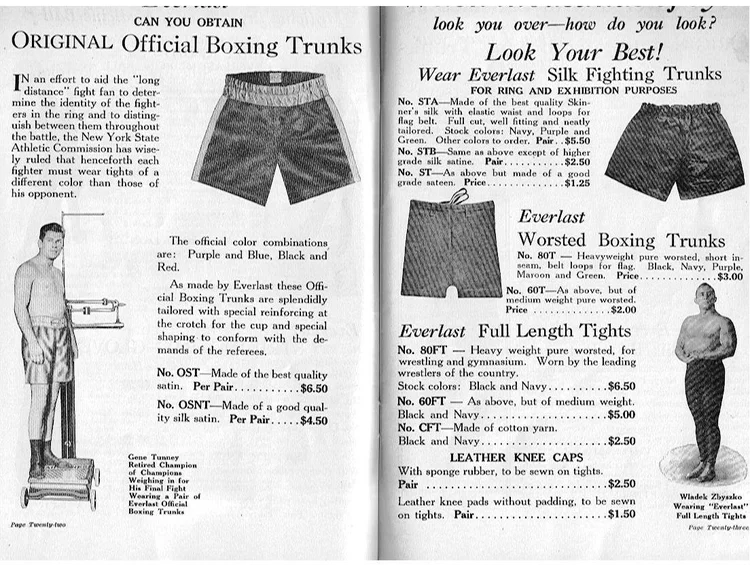
It's the Golden Age of Boxing and Everlast is the Choice of Champions. Out with rope belts and in with elastic waistband trunks in silk satin. Working with legendary boxing promoter Tex Rickard, Everlast standardizes attire at Madison Square Garden. Their design becomes the template for all boxing trunks. The result: boxers!
1930
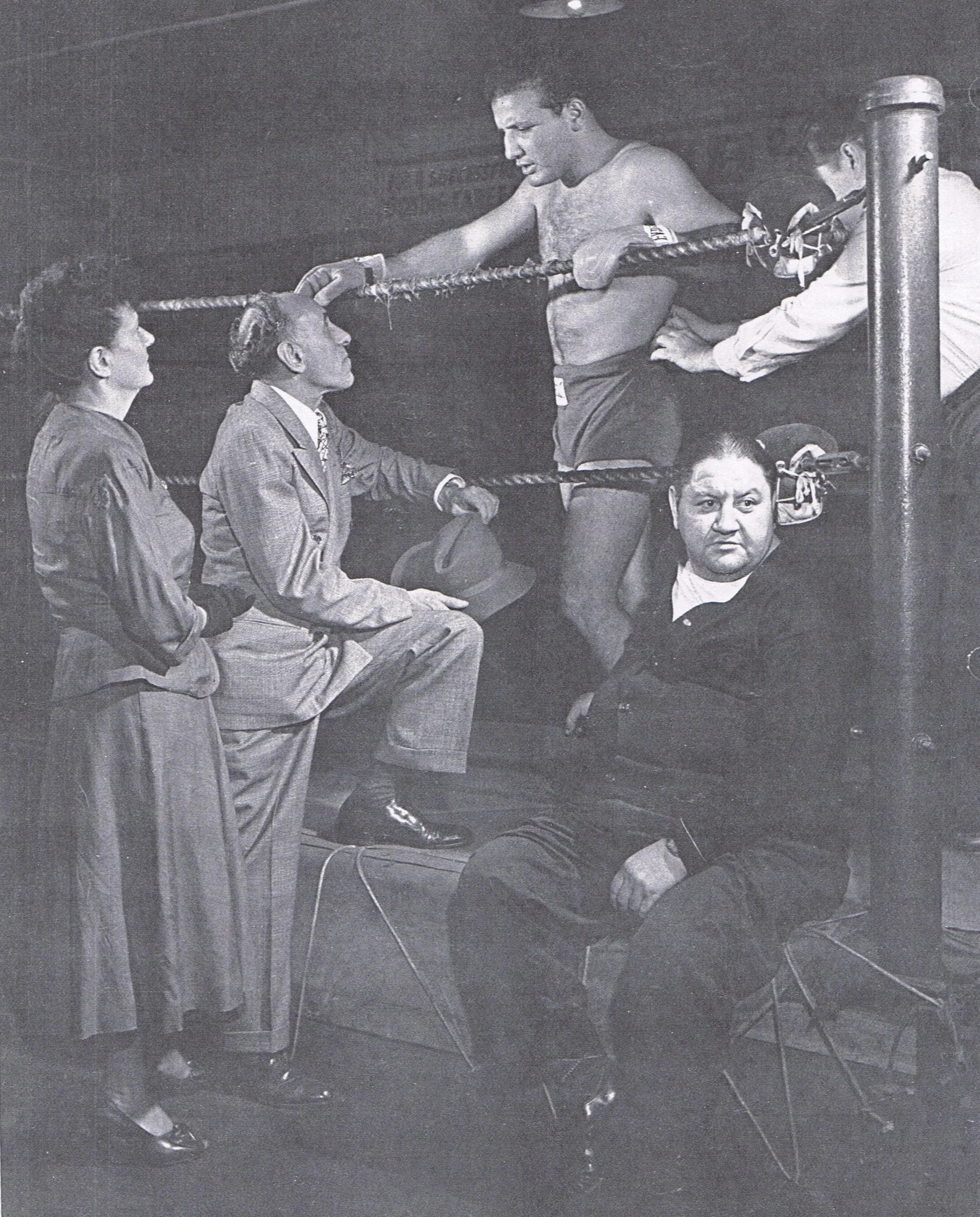
The Everlast groin protector becomes mandatory after a low-blow controversy involving American boxer Jack Sharkey and German boxer Max Schmeling. Jack works with the New York Boxing Commission to create new safety standards that will help protect fighters and legitimize the sport.
1941
Everlast gets the WWII contract supplying boxing equipment for all branches of the military. Jack expands manufacturing as boxing becomes essential combat fitness training. Champions Gene Tunney and Jack Dempsey serve as physical fitness directors using Everlast gear. A new generation of fighters begin building careers that will define the postwar era.
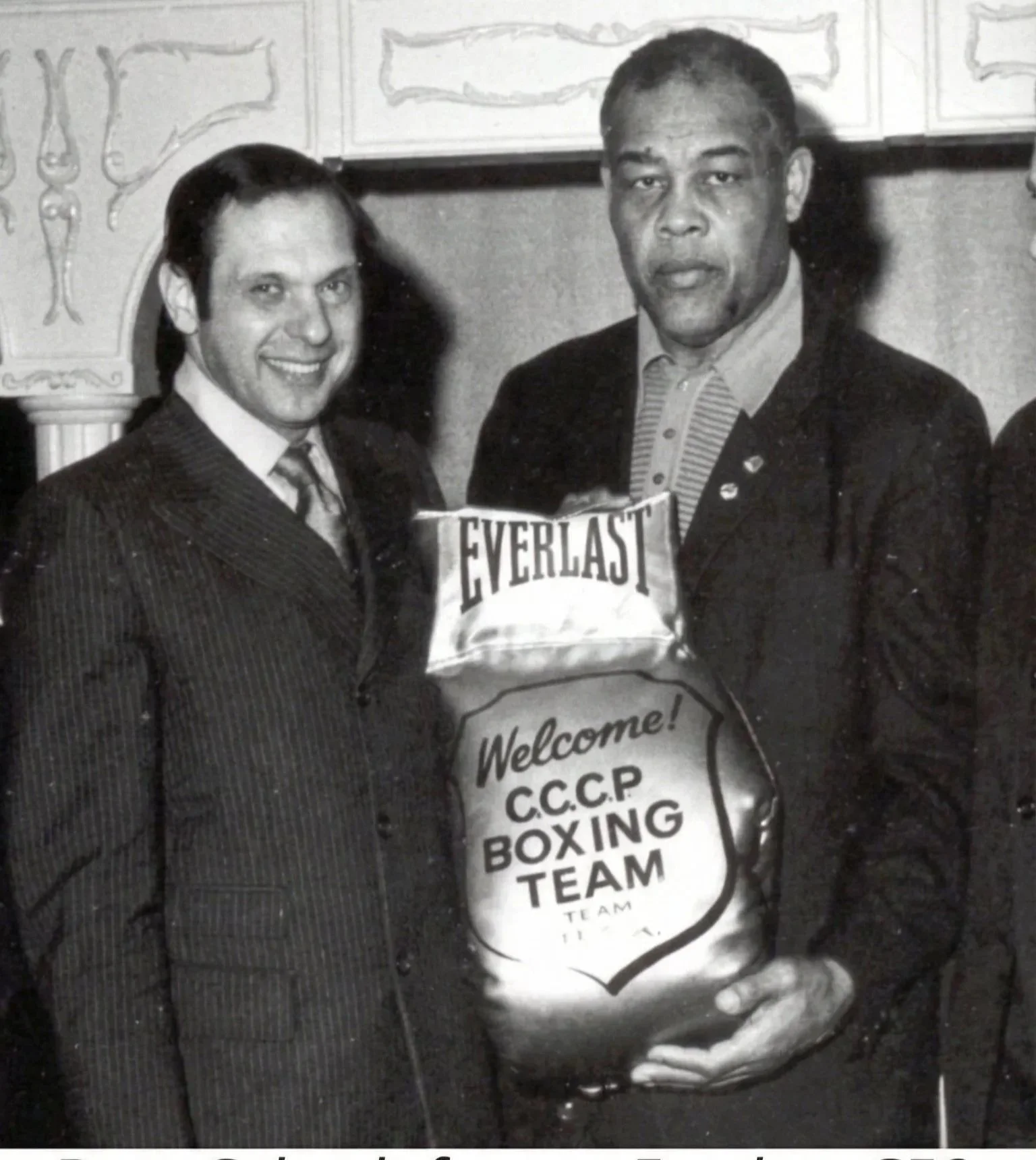
Jack Golomb dies and his son David (Dan) Golomb becomes president of Everlast. Over the next decade, he'll revolutionize the product line with post-war materials like Enseflor ring mats, Everhide vinyl gloves, and Nevatear fabric, and ride the golden age of television to make Everlast synonymous with boxing in millions of American homes.
1951
The family that built Everlast
is still at work.
Get the story as it continues — restoration case files, family history, and craft from five generations.
1956
Everlast moves to the Port Morris section of the Bronx, New York. Boxing reaches peak popularity as Friday Night Fights dominate television, drawing massive audiences. Champions like Rocky Marciano and Sugar Ray Robinson wear Everlast in every major bout, making the brand synonymous with boxing in millions of American homes.
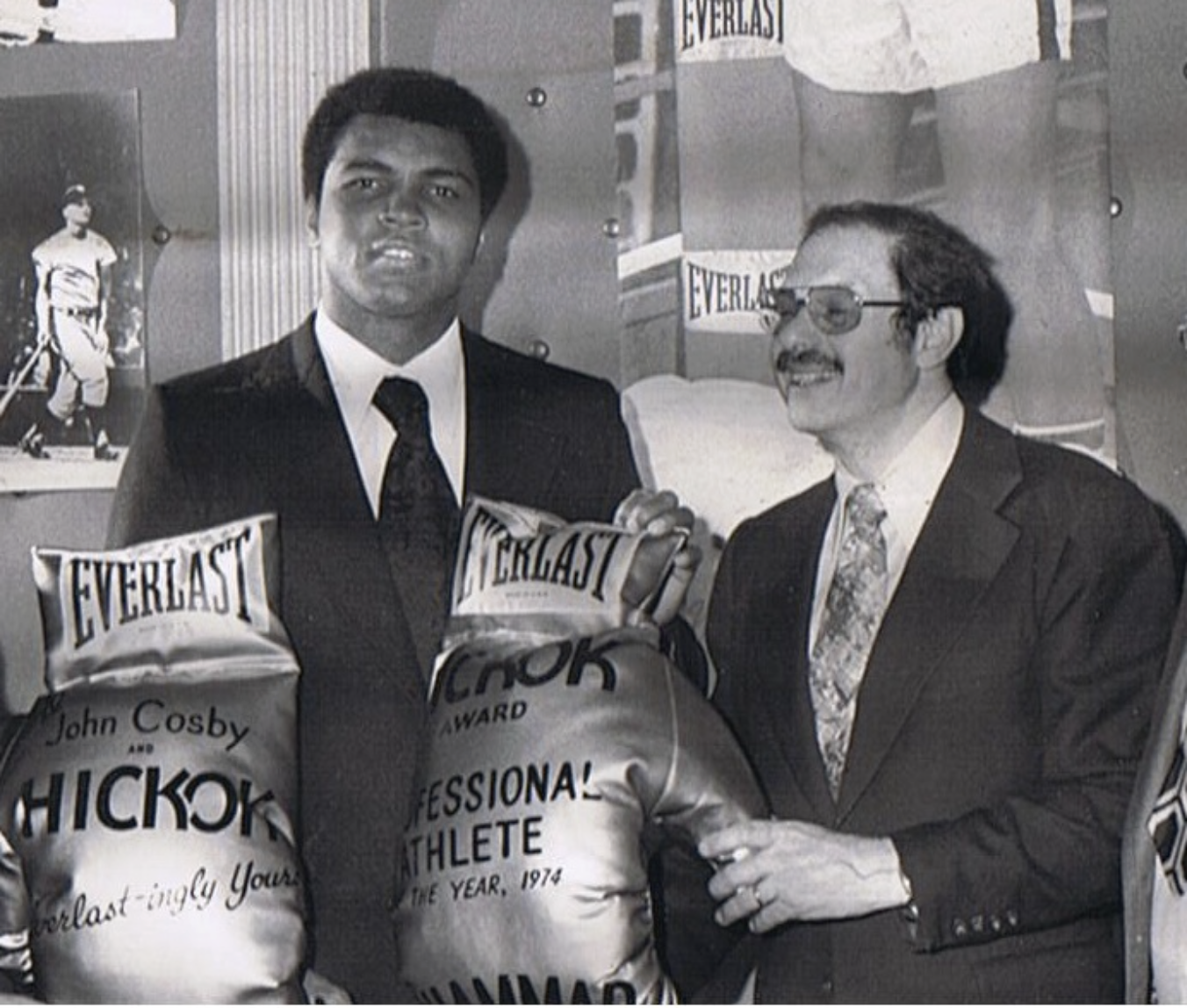
18-year-old Cassius Clay wins Olympic gold in Rome. Four years later, he'll defeat Sonny Liston for the heavyweight title and declare himself Muhammad Ali. Over the next two decades, Ali's partnership with Everlast will elevate the brand's visibility and cultural significance to unprecedented heights.
1960
1976
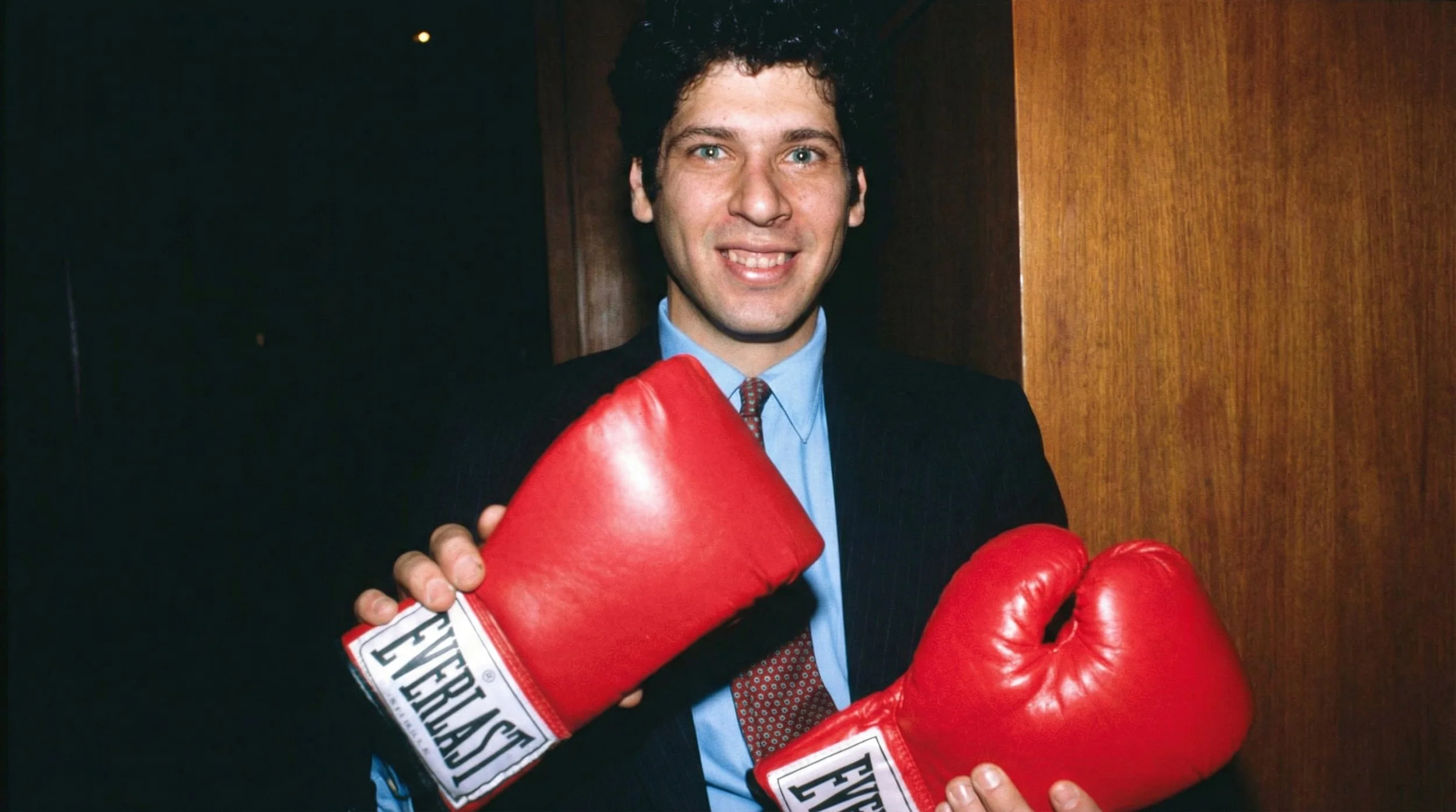
Third generation John Golomb joins the company and becomes Everlast's Product Designer. On the heels of Ali's legendary battles with Frazier and Foreman, boxing remains a cultural force — major fights draw massive audiences and the blockbuster film Rocky inspires millions. John continues the family tradition of working directly with fighters and boxing commissions, consistently refining equipment to improve safety and performance.
1983
John redesigns a headguard with new safety features that become the industry standard and the "Thumbless" Boxing Glove, to prevent eye injuries, which leads to the tied-thumb design mandatory today.
1987
John leaves Everlast and starts his own company, the Sports Doctor, creating custom-made baseball gloves and highly specialized glove repair and restoration as The Glove Doctor.
The company expands, becoming one of the first e-commerce sporting goods companies.
"John has been restoring gloves since 1987. If you have one that needs to come back, this is where it happens."
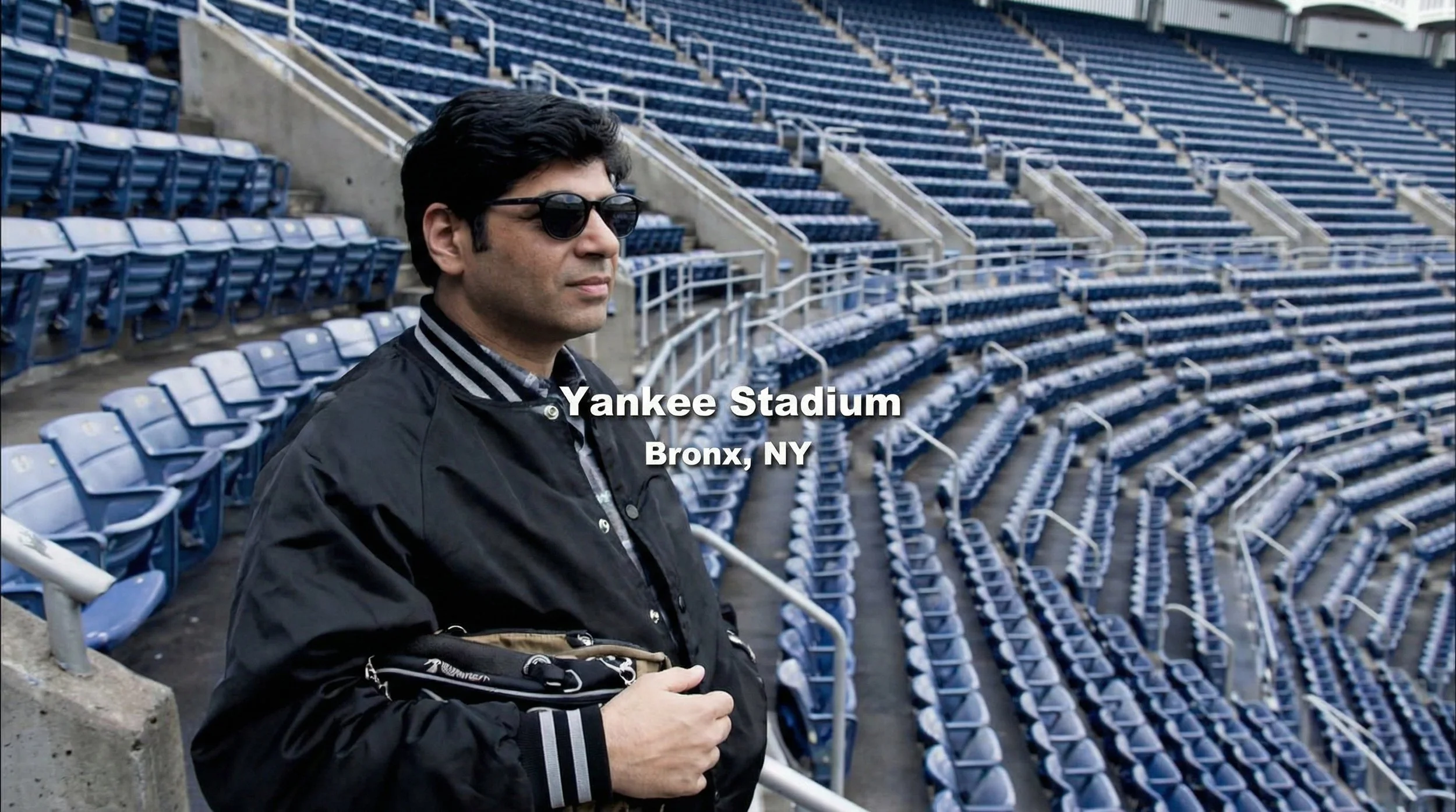
Inquire about restoration →Through his relationship with longtime New York Yankees equipment manager Steve Donohue, John begins servicing and restoring gloves for the team. When the work matters most, players turn to the master. John has worked on gloves for Wade Boggs, Derek Jeter, Jorge Posada, David Cone, Ben Rice, and others — a relationship that continues to this day.
1996
1998
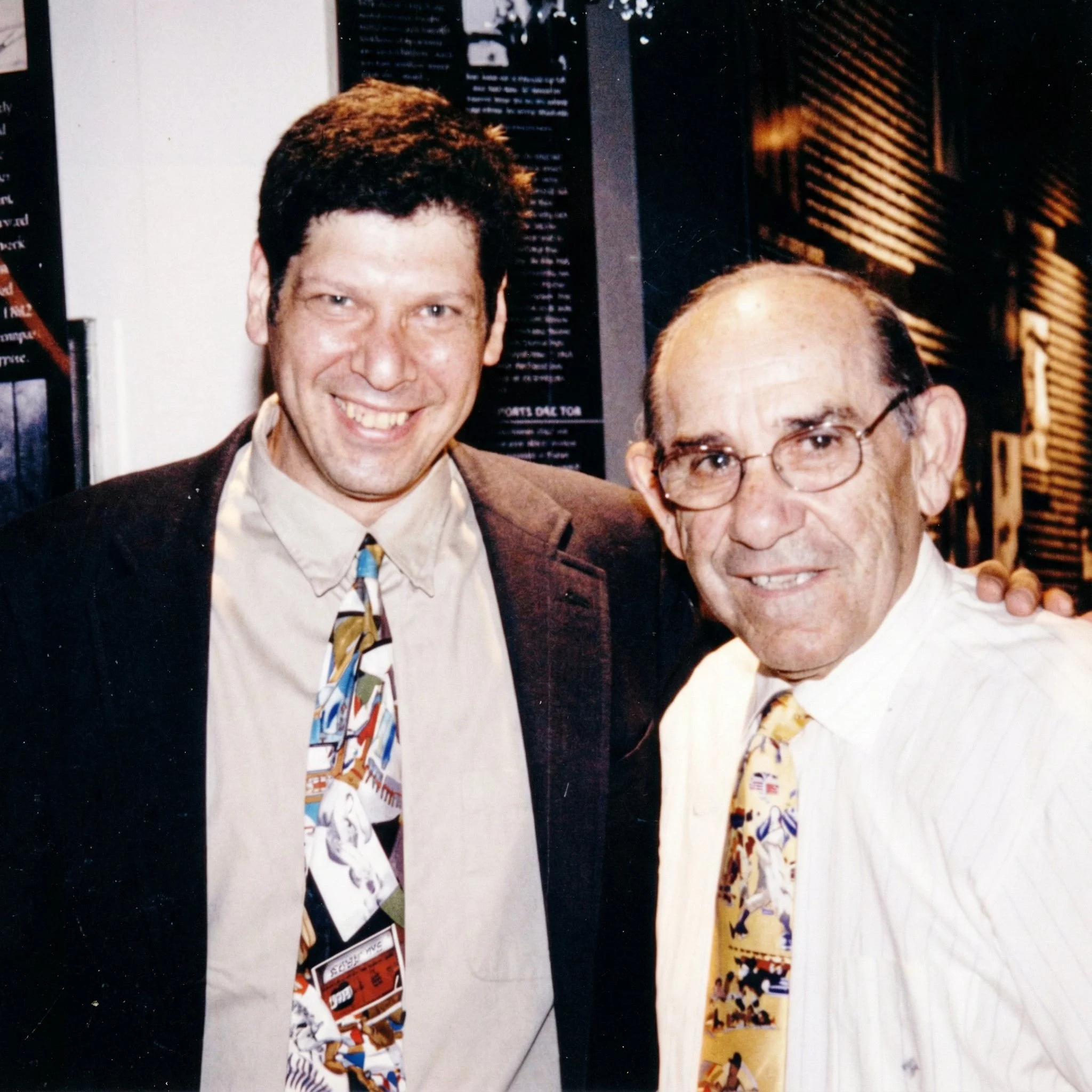
John curates Glove Odyssey: The History of the Baseball Glove for the opening of the Yogi Berra Museum & Learning Center in Little Falls, New Jersey, tracing the evolution of America's baseball mitts as part of the Museum's inaugural exhibits.
Honing in on John's unparalleled knowledge of baseball gloves and related products, the Sports Doctor evolves into the Glove Doctor, and adds an online retail store of original baseball and boxing products.
2005
2022
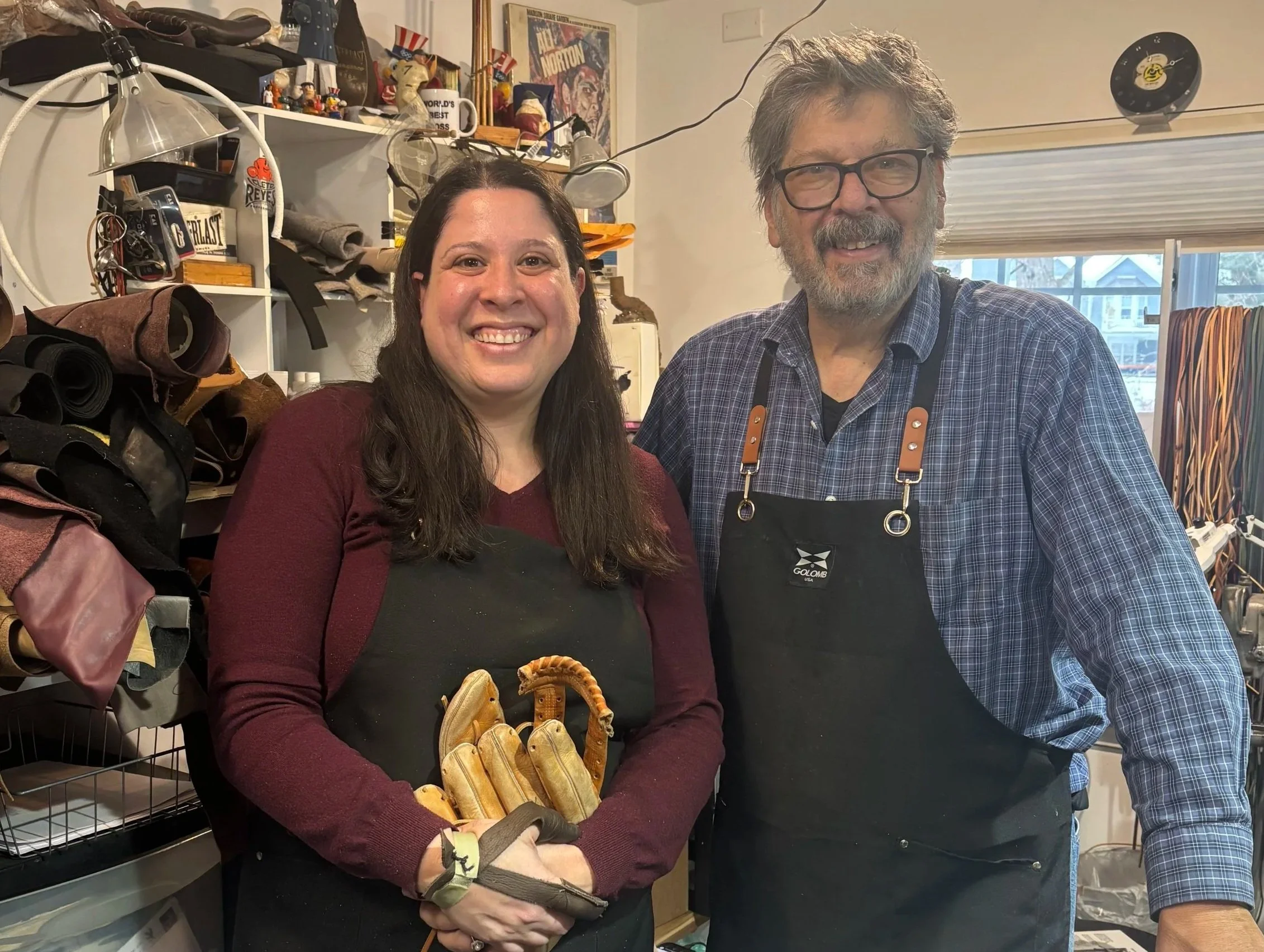
Embracing over 100 years of collective Golomb family knowledge as the First Family in Boxing, the Glove Doctor evolves into GOLOMB.
Next generation, Joie Golomb, joins GOLOMB, as the Glove Gal. Learning the craft hands-on in the studio, she's expanding the company's retail line while building community through education and storytelling. She leads the brand's evolution — honoring traditional craftsmanship while connecting with customers who refuse to compromise on quality.
2024