
At the Old Ball Game
A few years back, I was honored to curate the first educational show at the Yogi Berra Museum & Learning Center at Montclair State University, Montclair, New Jersey entitled, "A Glove Odyssey: The History of the Baseball Glove."
The Game
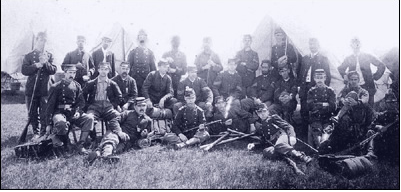
The origins of baseball can be found in two different British games: cricket, the stately pastime that is divided into innings and supervised by umpires and rounders, a children’s stick and ball game brought to New England by the early colonists. Soon after there were many variations and even more names, “old cat,” “one old cat,” “two old cat,” “goal ball,” “town ball,” “barn ball,” “stick ball,” and “Base Ball.” Revolutionary War soldiers played ball at Valley Forge. On their way across the continent Meriwether Lewis and William Clark wrote about trying to teach the Nez Perce Indians to play the “game of base.”
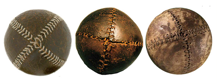
Early baseballs were homemade, running the gambit of wound twine covered with leather to a cotton sack stuffed with rags. Variations of rules differed greatly, including numerous derivations on the amount of players, bases, strikes, outs and innings. For instance, putouts could be made by hitting the runner with the ball. In the 1840s, New York City and Newark, New Jersey created professional leagues and formalized the game. Written rules consisting of set field dimensions, number of innings, players and outs was standardized. This became “baseball” as we know it.
The Glove
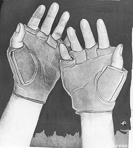
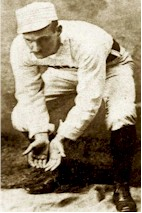
Early on the game was largely played without gloves. The ball was large and soft and easier on the hand. For baseball, 1870s catchers began using gloves mostly to absorb the catches, which they received more frequently than the other players. Baseball purists in the early days frowned on the use of gloves and considered them less than manly. Spurred on by the popularity of the game, by the 1890s the other fielders adapted the glove, beginning with a specially designed firstbase mitt.
At first, baseball gloves were leather work gloves found in general or hardware stores. The player would make special adaptations to the work gloves to fit their needs. The earliest catcher’s mitts consisted of two gloves with the throwing hand glove fingers cut off to allow the player to better handle the ball.
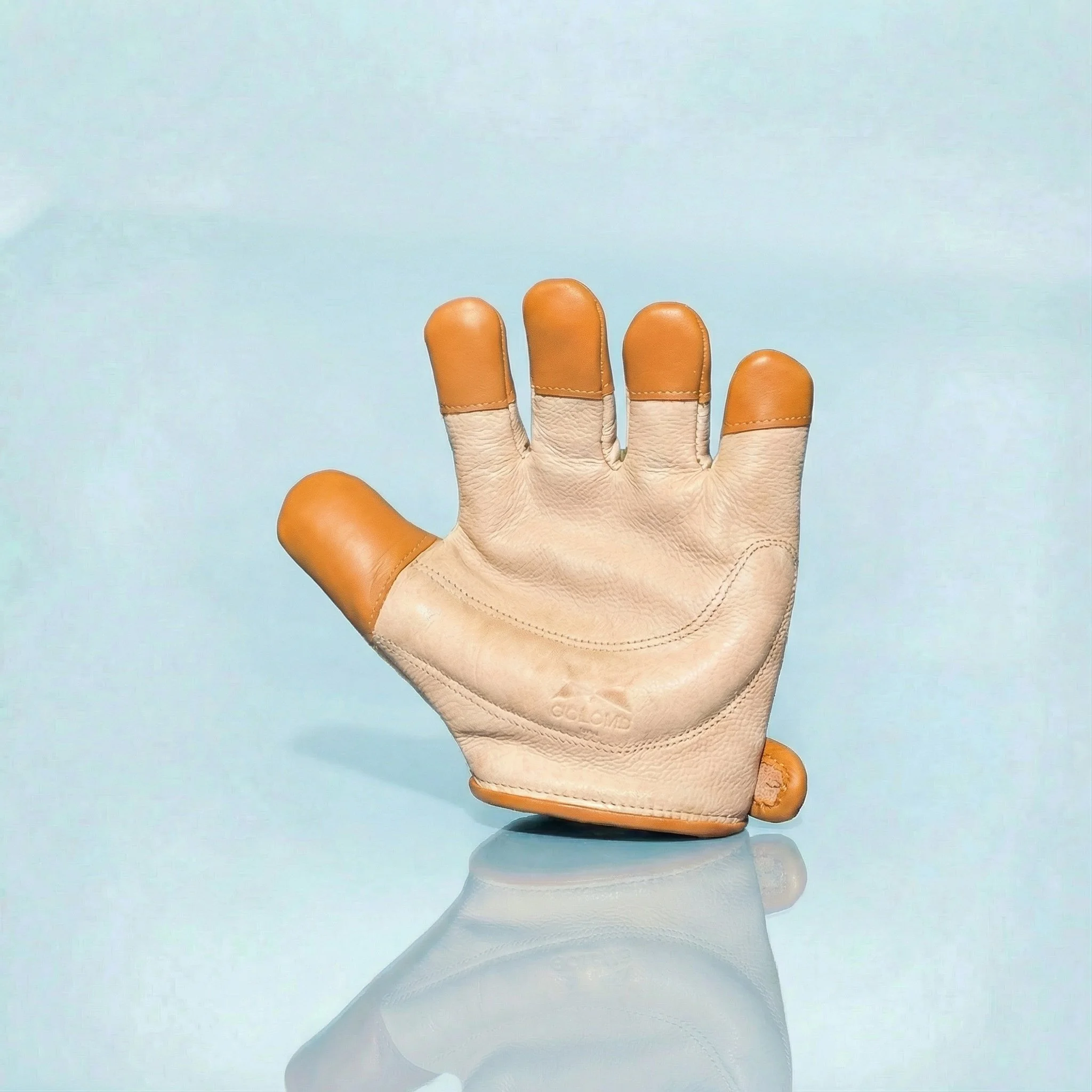
This precise replica baseball glove is built for players who want a well-made glove that performs beautifully and lasts.
Genuine Replica Vintage Workman's late 19th century early 20th century “Dead Ball Era” fielder's glove is constructed from horsehide and soft cowhide, fully lined with 100% wool felt. Free shipping for all items over $50. Each are custom made to order Allow 4 to 6 weeks for delivery
