
Cooper GM12 Goalie Blocker
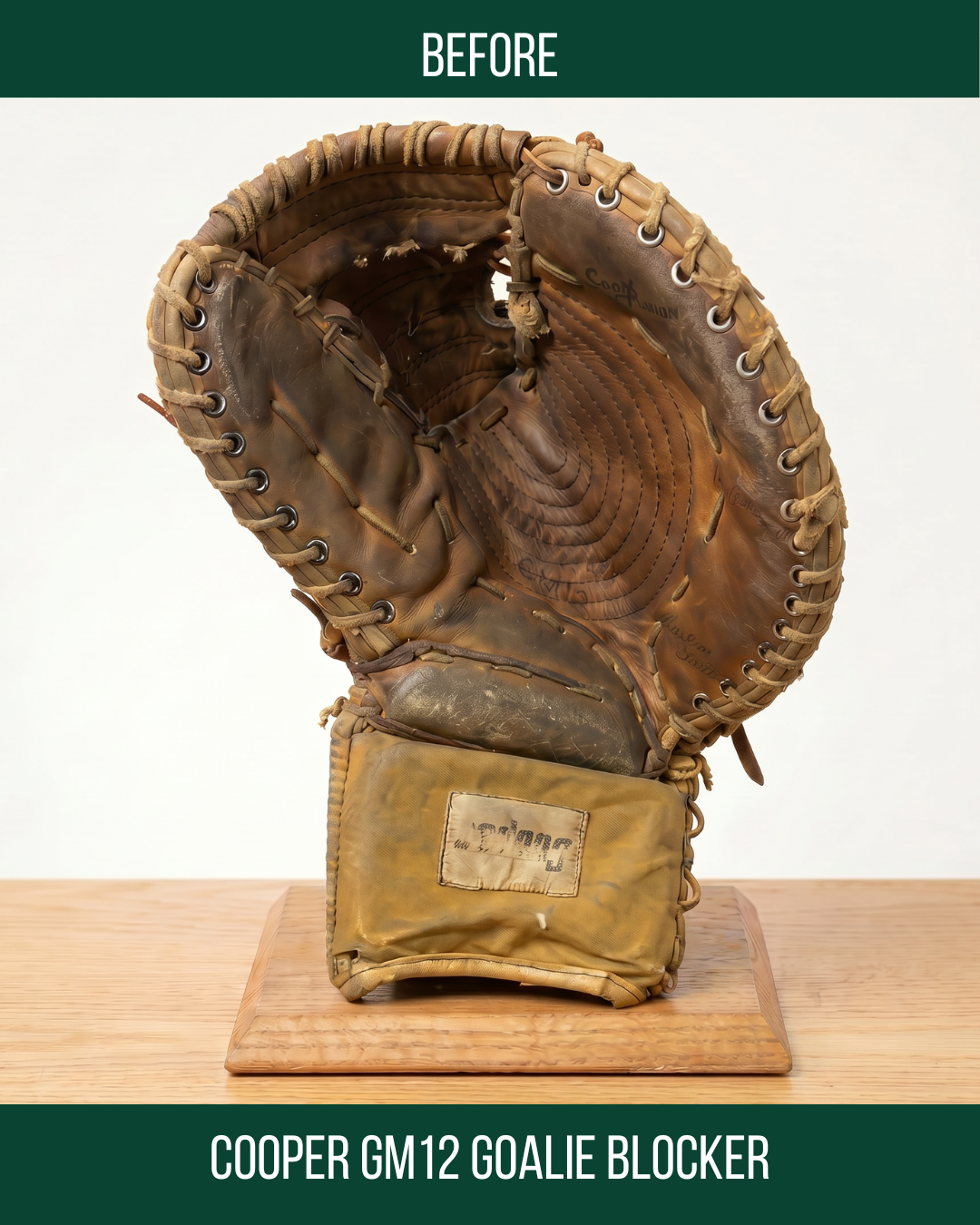
Before
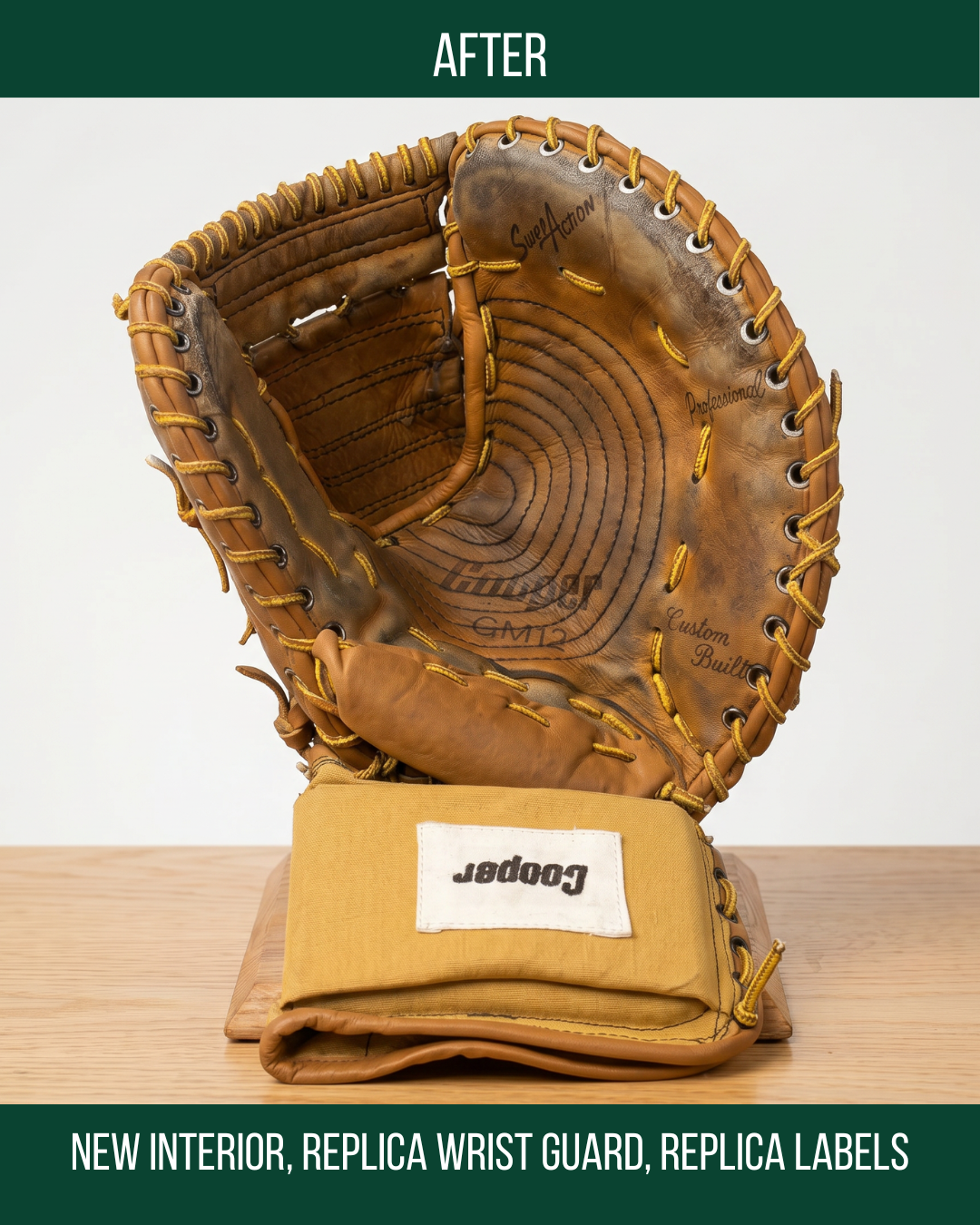
After
A Cooper GM12 goalie mitt came into the shop from North Carolina. The customer's father played in it and he wanted to play in it too.
"A pro-level glove used by some of the best goalies of the era. I want to wear it on the ice again."
— Customer's Repair FormThe first thing you notice when you pick up a Cooper from this era is the leather. Beautiful cowhide, the same quality you find in their baseball gloves — Cooper made both, and the GM12 is really much closer to a baseball catcher's mitt than most people would expect. Similar structure, same materials. What you see in hockey equipment today is mostly vinyl and synthetic, which is lighter and does the job, but this glove is a lot of leather.
The Glove Doctor fully replaced the worn interior. The wrist guard had worn through as well so he made a replica. The labels had gone so he made replicas of those too. Worth noting: the lacing on this glove is nylon boot lace, not leather, and it always was. Hockey gloves don't need leather lacing the way baseball gloves do — a baseball glove has to have a certain amount of give and tension that only leather provides, but hockey is different.
Cooper Canada started in Toronto in 1949. For the next forty years they were the standard for professional goaltending equipment — Ron Hextall wore Cooper, Ed Belfour wore Cooper, Tom Barrasso wore Cooper. The GM12 blocker in particular was what professionals used through the late 1970s and into the 1980s, when goaltending equipment was still largely leather, still largely handmade, and still built to last a career rather than a season.
Bauer acquired Cooper in 1990. Nike later acquired Bauer. The Cooper name was retired and no new GM12s have been made since. Every one still in circulation gets a little rarer every year.
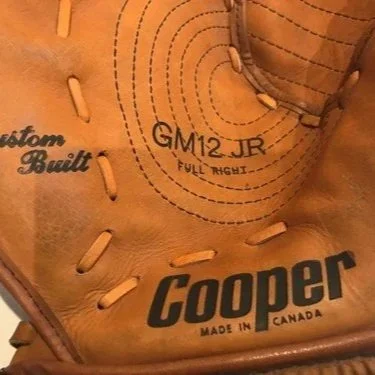
Cooper Canada dominated professional hockey equipment for four decades — the same way Everlast dominated boxing. As a five-generation sporting goods family, we know what serious manufacturing from that era looks like, and Cooper's story is one worth telling.
Read →
When a manufacturer closes, whatever they made becomes finite. It's a pattern John has seen play out across baseball, boxing, and now hockey.
Read →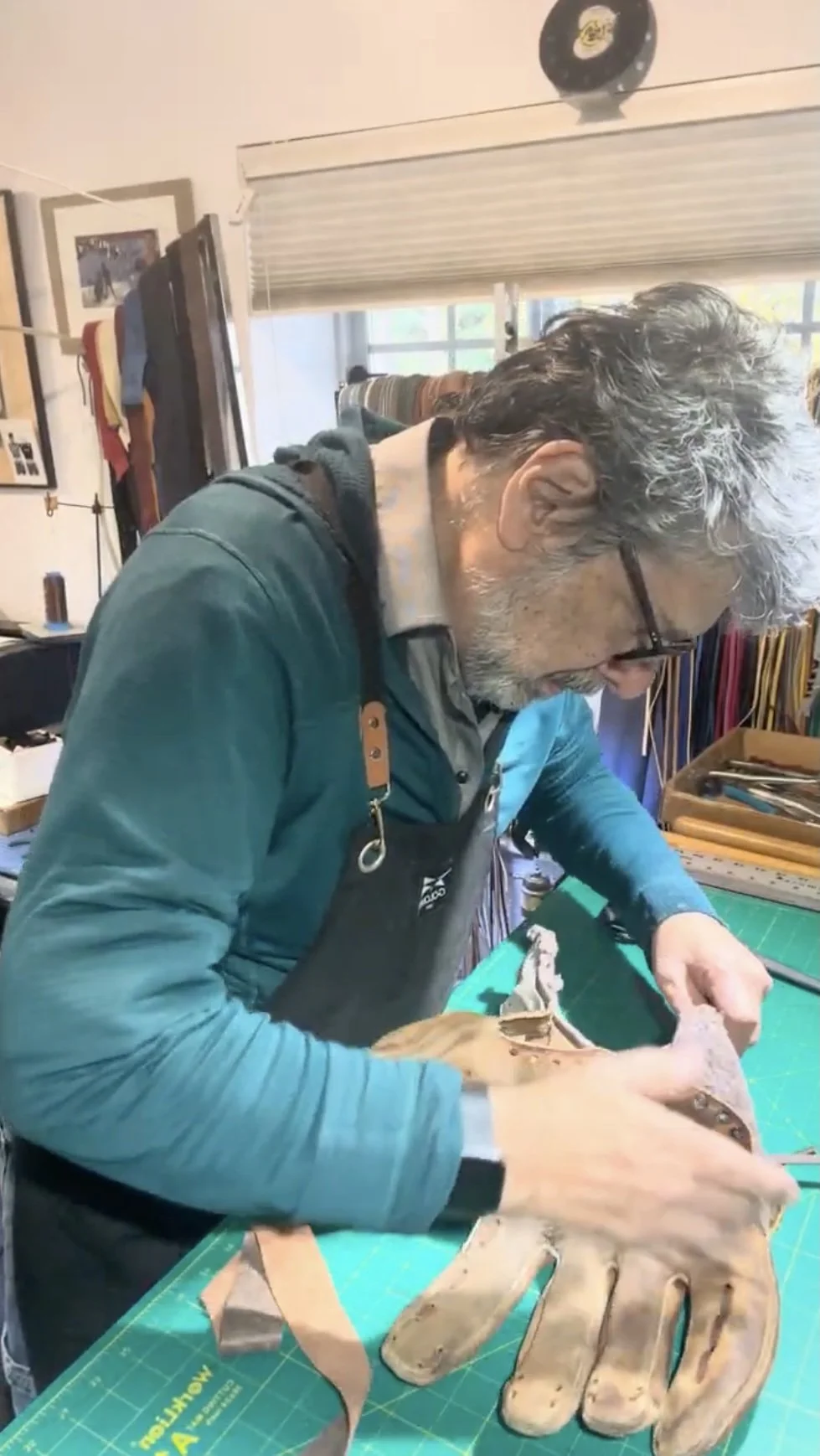
The same principles apply across every glove that comes through the shop — assess what holds, replace what doesn't, send it back in better shape than it arrived.
Read →