
Baseball Glove Repair vs. Replacement: What Should You Do?
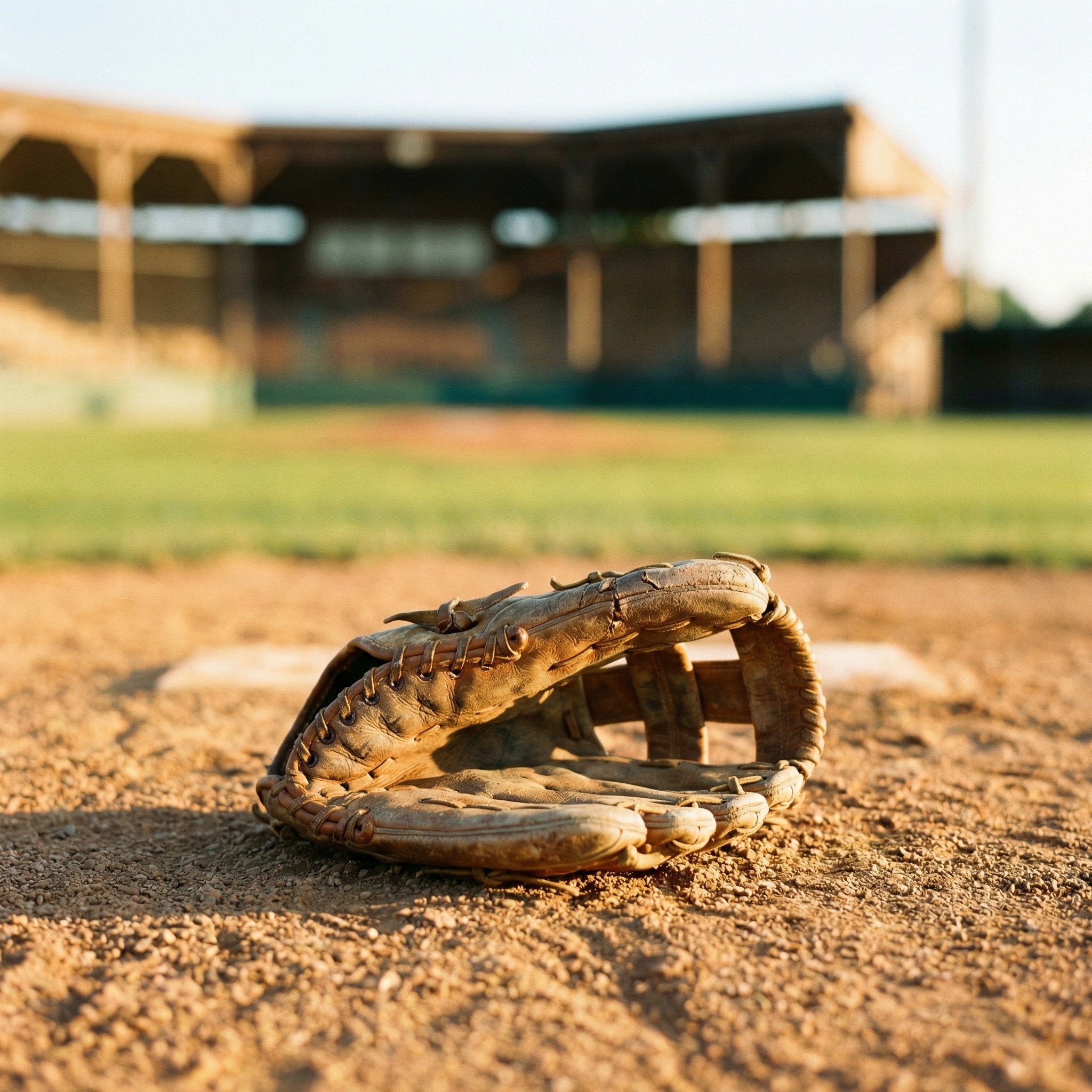
The sporting goods industry has a strong preference for one answer to this question. They would like you to buy a new glove. That is not a cynical observation. It is just how the business works. New gloves are profitable. Repair is not their department.
We are in a different department entirely.
The glove you love is the glove worth saving:
A well-made glove that has been broken in properly is genuinely difficult to replace. The leather has softened and shaped itself to your hand. The pocket has formed around the way you catch. That process takes months of real use and it cannot be bought off a shelf.
But here is the thing we have learned after decades of this work: the glove does not have to be expensive to be irreplaceable. We hear from customers constantly who want a glove repaired not because it is a rare American-made model, but because it is theirs. It was with them for every significant game they ever played. Their father handed it to them. Their son used it in college and now they play catch together on weekends. That glove holds something a new glove cannot hold no matter what it costs or who makes it.
We take those jobs as seriously as any other.
What a broken-in glove actually is:
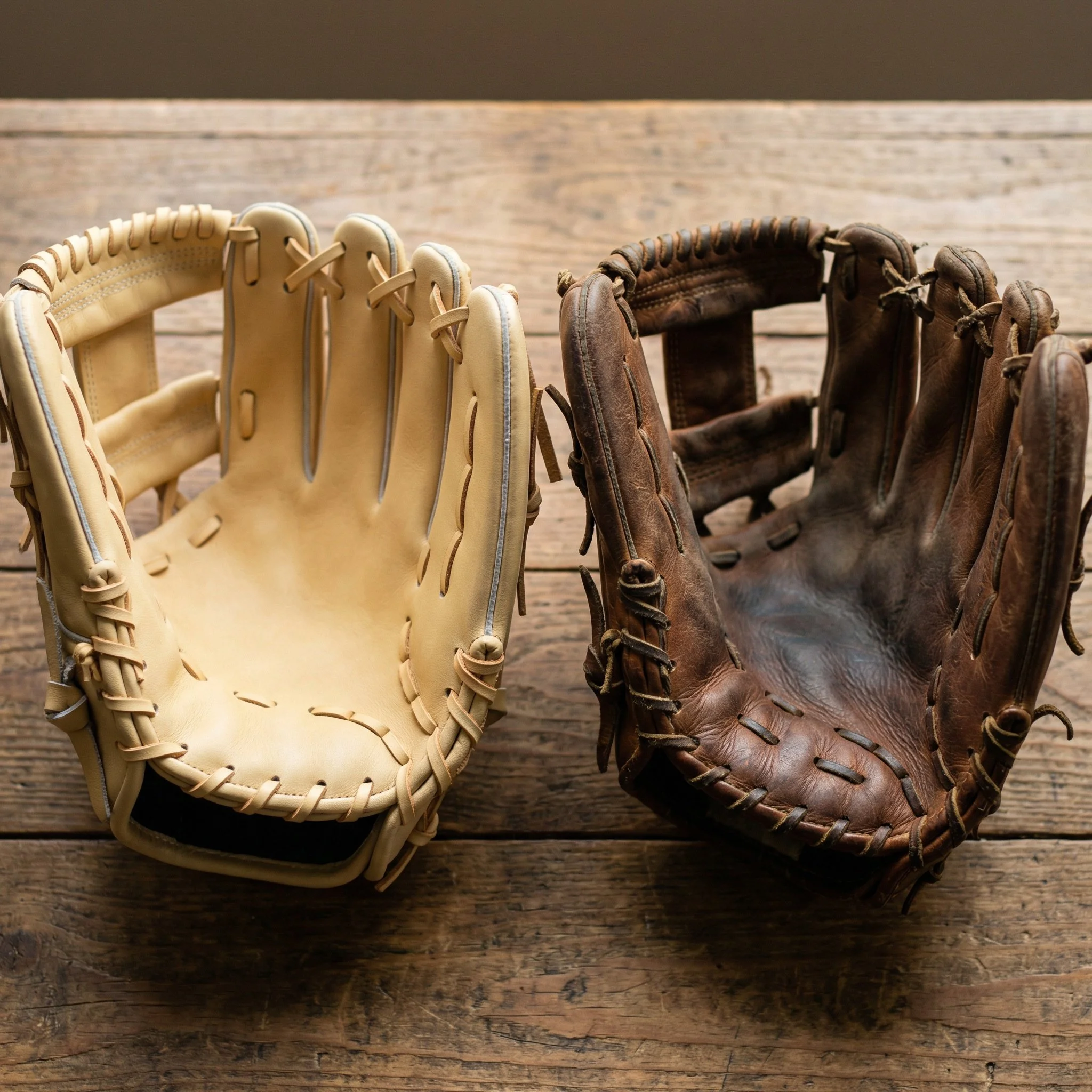
When a glove has been properly broken in, it is not just soft leather. It is a record of use. The pocket has formed around the way you catch. The heel has creased exactly where your hand closes. The web has settled into its shape under real load. You cannot replicate that by buying new. You have to earn it again from scratch, and that takes a full season of real play.
Restoration preserves all of that. New lacing, new interior leather where it is needed, cleaned and conditioned exterior, and the glove comes back as itself. Not a new glove. Your glove.
What about gloves that were not expensive to begin with:
This is where we will be straight with you. A glove with a fully deteriorated exterior shell, leather that has cracked through completely and lost its structural integrity, is a harder situation. Not because of what the glove cost originally, but because the shell is what holds everything together. If it is gone, there is less to restore.
But that is a specific condition and it is less common than people assume. Most gloves that come to us looking rough on the outside have more life in them than they appear to. Interior lining that has rotted out, lacing that has dried and snapped, a web that has gone slack, all of that is repairable. We have brought back gloves that looked finished and sent them home playing beautifully.
If you are not sure what category your glove falls into, that is exactly what the evaluation is for.

The question that matters most:
Does this glove matter to you?
If the answer is yes, restore it. The cost of a proper restoration is almost always less than the cost of finding something that carries the same weight. And nothing you buy new will carry the same weight, because that weight comes from the years the glove has already been with you.
Send it to us. We will look at it carefully and tell you exactly what it needs.
Good equipment deserves great care.
