
How to Tell If Your Baseball Glove Needs Relacing

There is a moment every player knows. You reach for a ball, feel something give, and look down to find a lace dangling loose or snapped clean through. Sometimes the glove tells you clearly. Other times the signs are quieter, and you miss them until the pocket collapses in the middle of a game.
Here is what to look for:
The laces are cracking or stiff
Leather laces dry out over time. When they start to crack along the surface or feel brittle when you flex them, they are past their prime. A lace that looks intact can snap under load with no warning. If you see surface cracking anywhere in the web, the fingers, or the heel, that lace is on borrowed time.
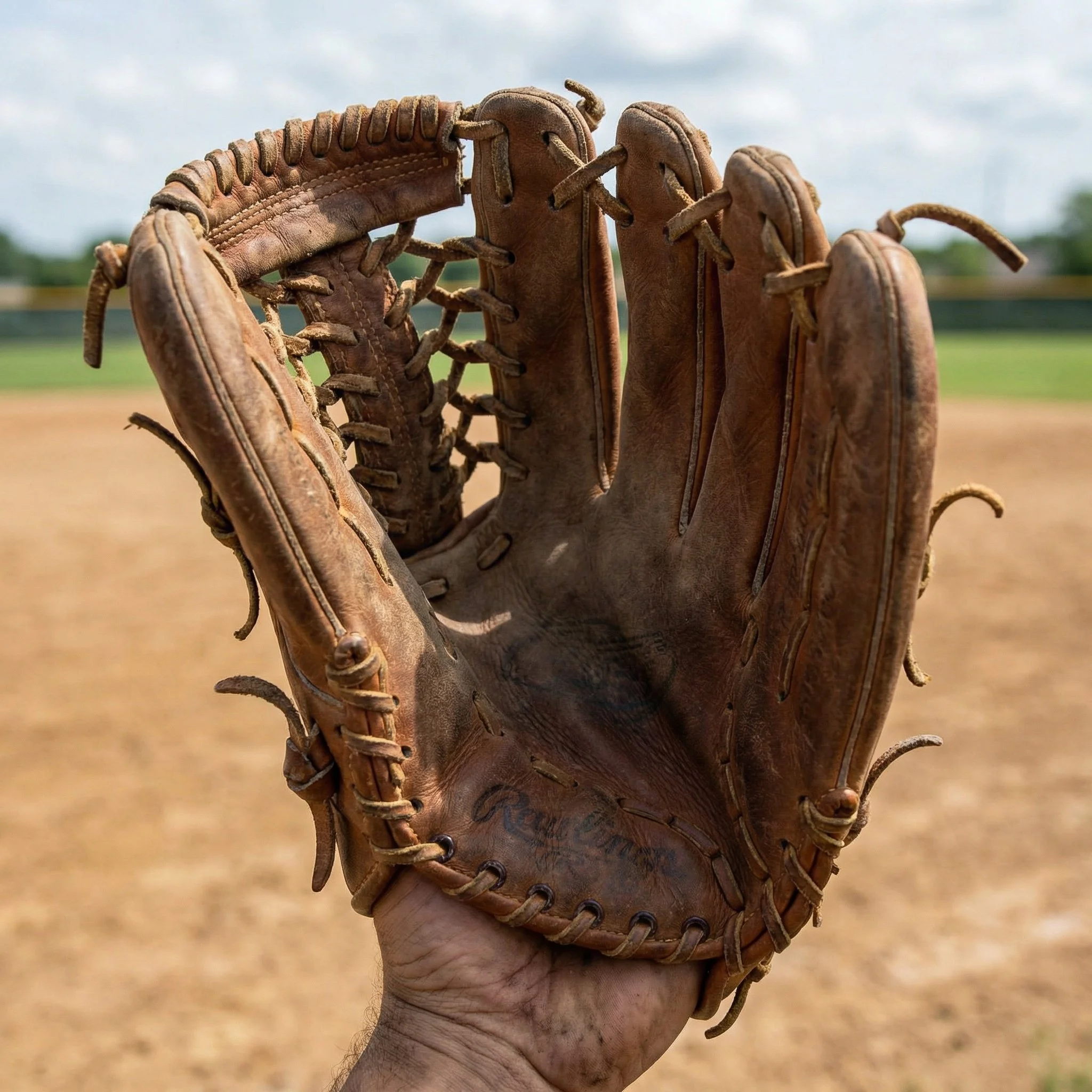
The web is sagging or losing its shape
The web is the most structurally demanding part of the glove. It takes direct impact on every catch. If it is starting to sag, lose tension, or shift to one side, the lacing that holds it together has stretched or weakened. A sagging web is not just cosmetic. It changes how the glove closes and how securely it holds the ball.
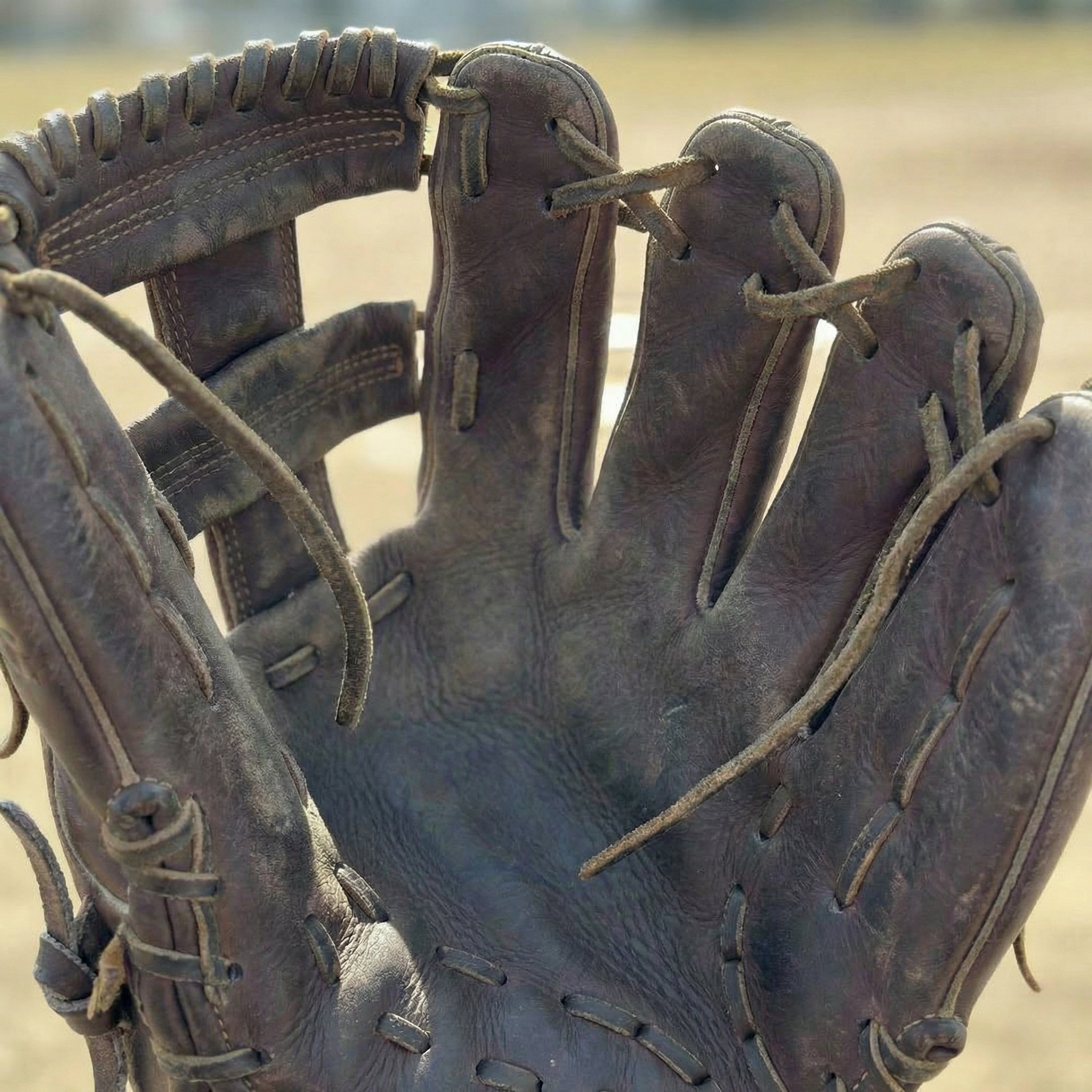
You can see gaps between the fingers
Run your fingers along the lacing that connects the finger stalls. If you can see daylight between the fingers, or feel the laces moving when they should be fixed, those laces need to go. Loose finger lacing affects the structure of the entire glove.
The heel lace is worn through
The heel of the glove takes a lot of friction, especially on catchers’ mitts and first baseman gloves. This is often the first place lacing fails. Check the back of the heel where the lace threads through and look for fraying or thinning.
The glove is not closing the way it used to
This one is harder to see but easy to feel. If your glove is not snapping shut the way it should, or if the pocket feels loose and unresponsive, lacing tension is likely the issue. Laces that have stretched over years of use lose their ability to hold the glove in its proper shape.
One lace is already broken
If one lace has already snapped, the others are not far behind. Laces age at the same rate because they were installed at the same time under the same conditions. Replacing just the broken one is a short-term fix. A full relace addresses the whole glove before the next one fails.
What to do next
If your glove shows any of these signs, the repair is worth doing. A properly relaced glove plays like a different glove. The pocket tightens up, the web holds its shape, and the whole structure comes back to life. We have been relacing gloves for over forty years. If you are not sure what your glove needs, send us a message and we will tell you exactly what we see.
Good equipment deserves great care.
