
Not sure what laces or tools you need? Start here.
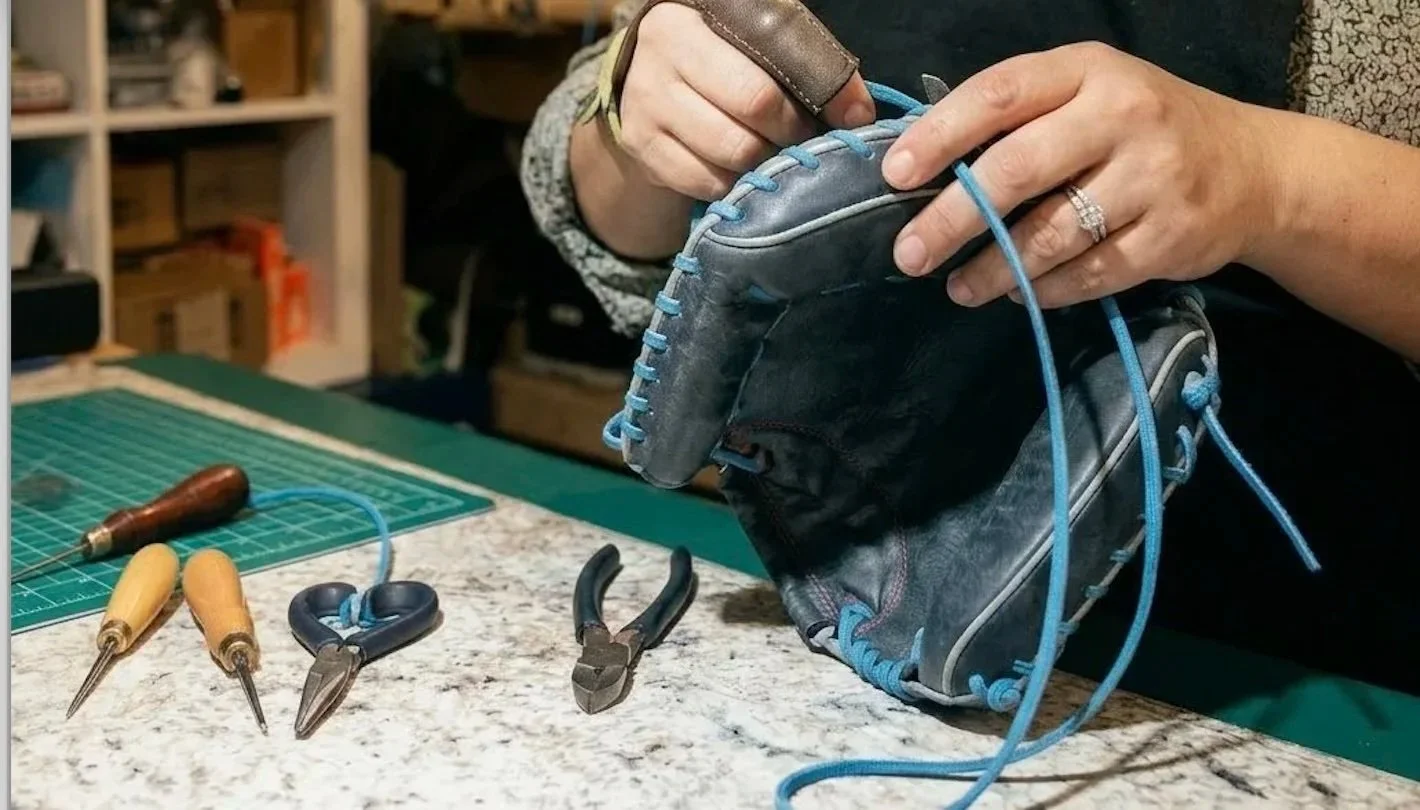
A straightforward guide to choosing the right laces, tools, and setup so you can relace your glove with confidence. If you’re looking at laces and tools and not totally sure what you need, this will walk you through it.
Jump to what you need:
Should You Relace It Yourself
Absolutely—relacing is something you can learn and do yourself. Most players successfully relace their own gloves with the right laces and tools. Once you understand how the glove is laced and how to maintain tension, you can keep your glove in good condition over time and make adjustments as needed. That said, there are situations where it makes more sense to send it in. f your glove has deeper leather damage—tears, holes, or interior lining that needs restoration—that’s when you’ll want professional repair. Relacing handles structure and function, but it doesn’t address underlying leather issues.
Choosing the Right Lace
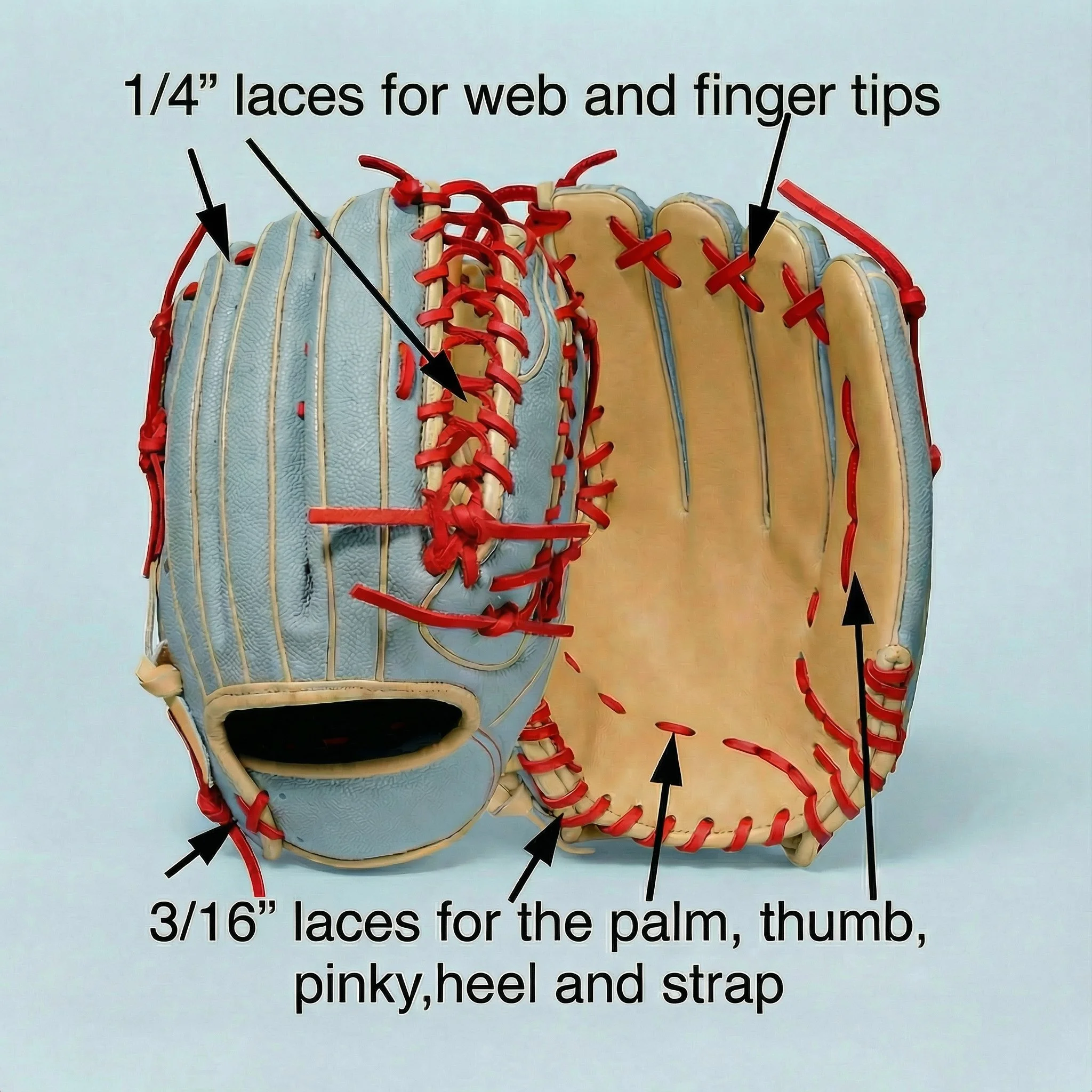
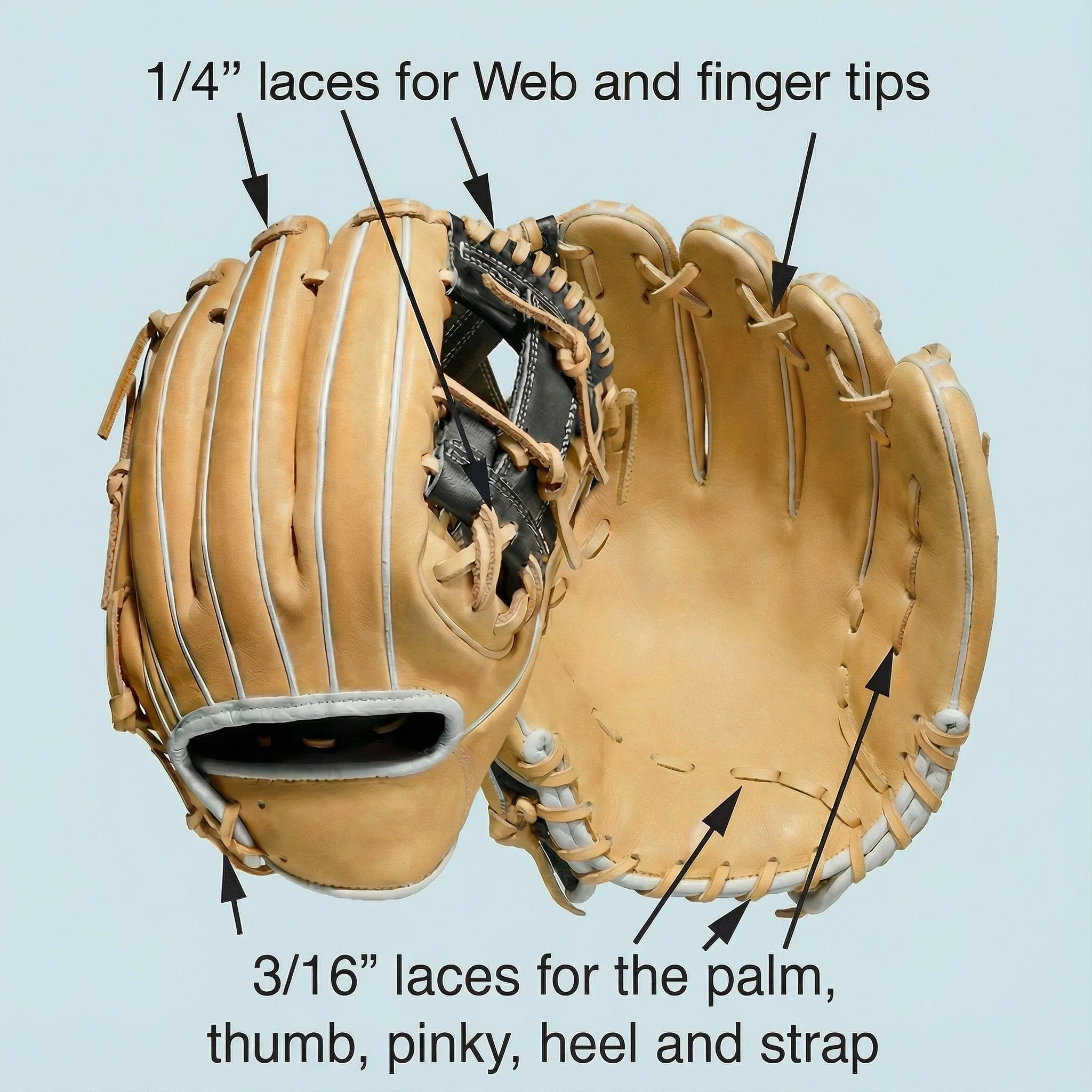
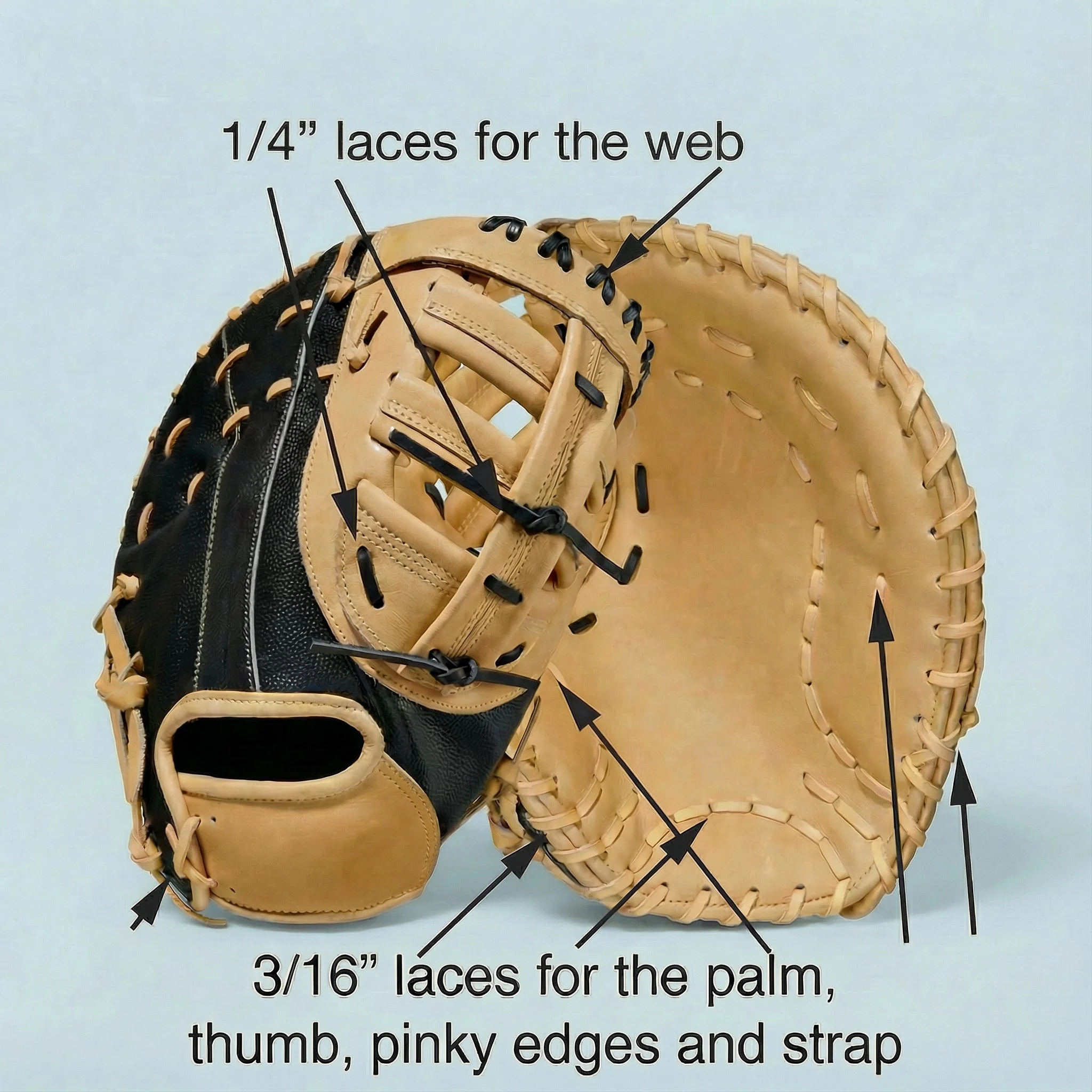
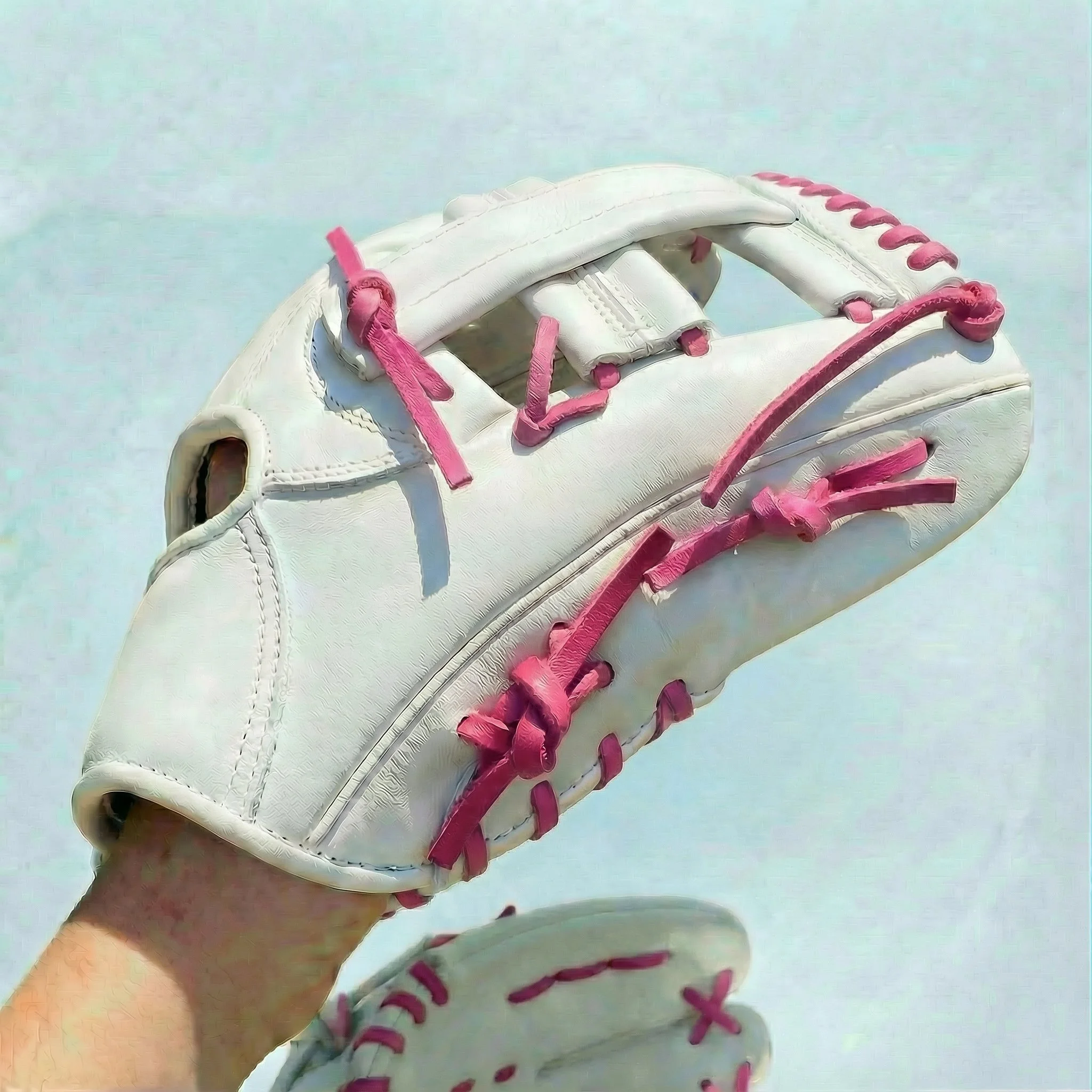
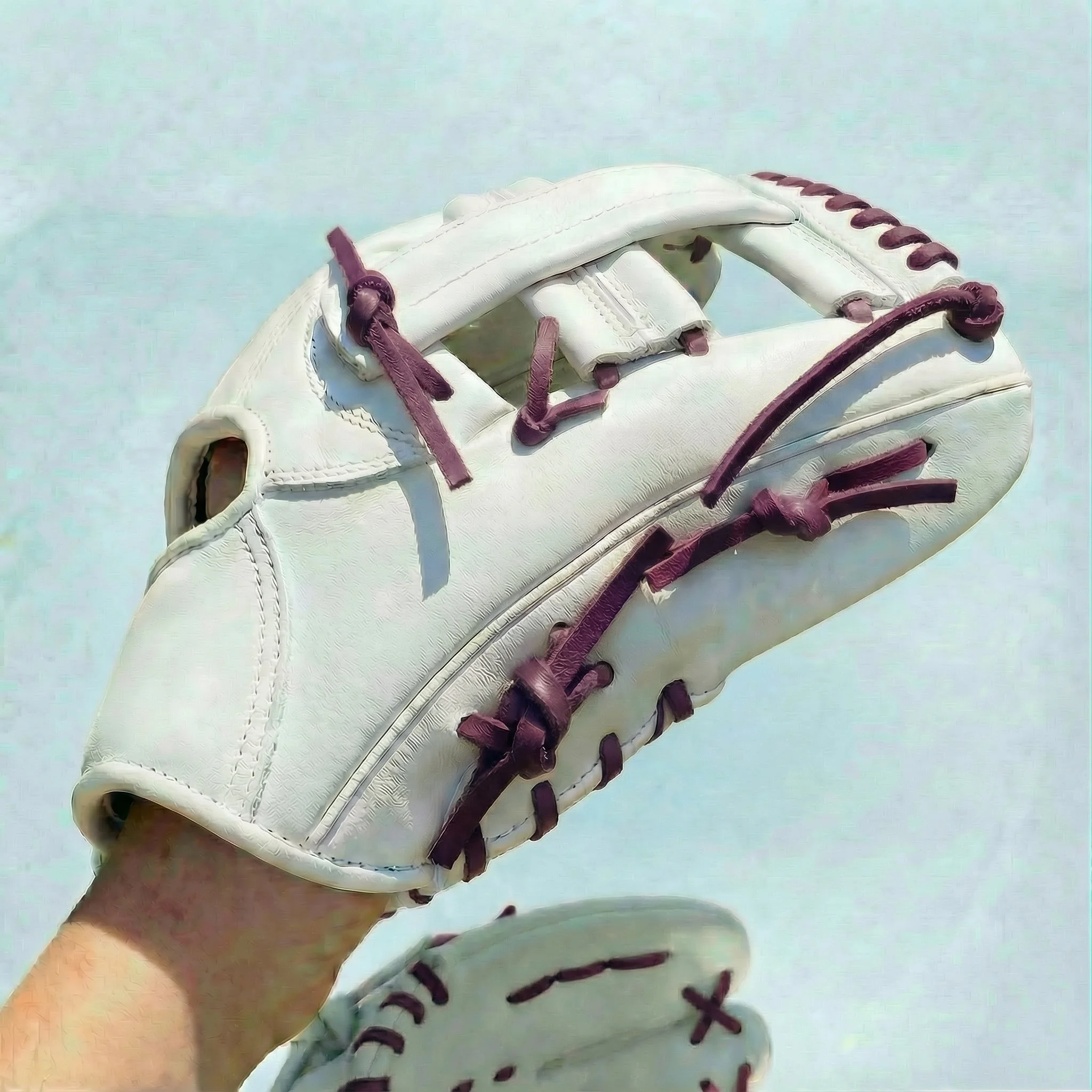
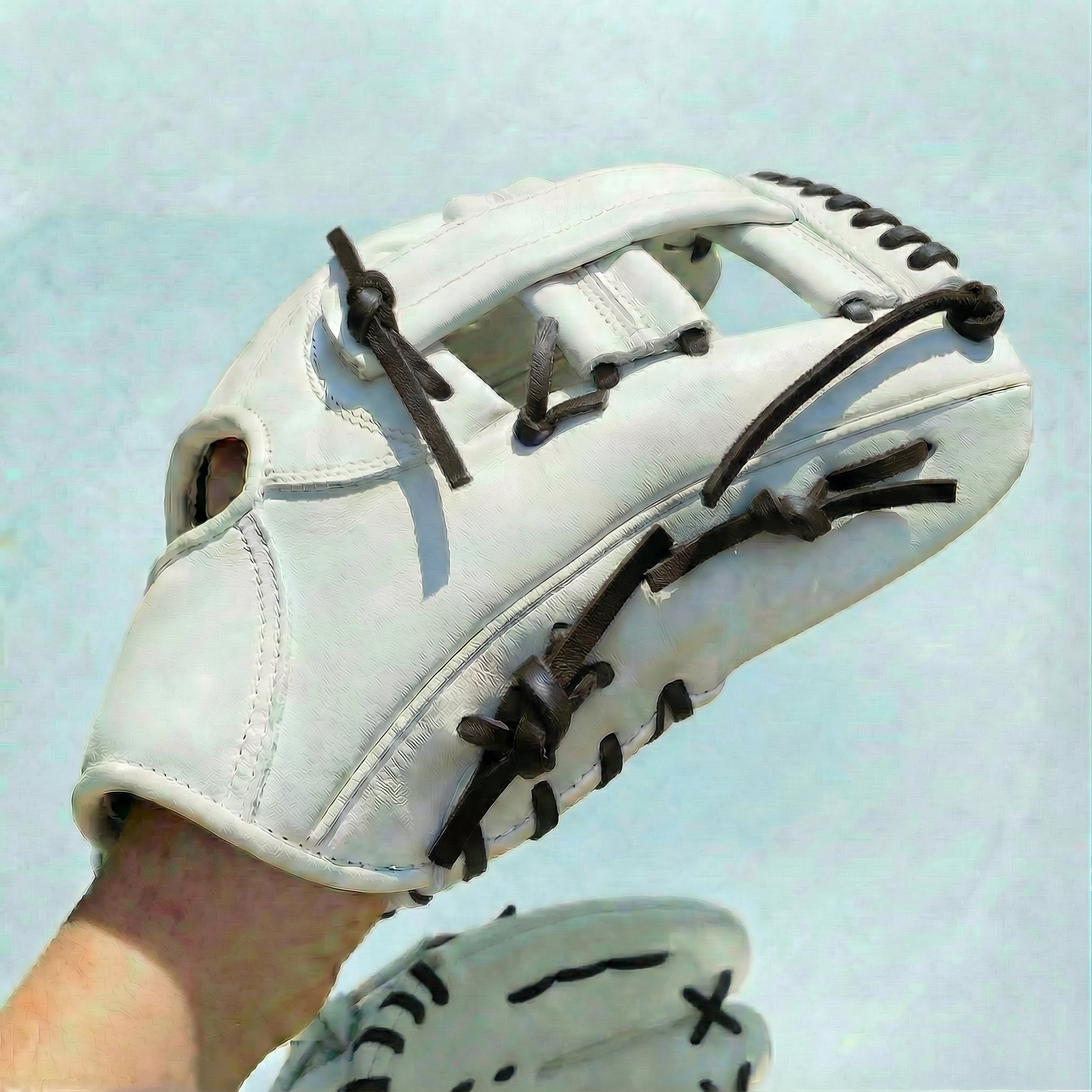
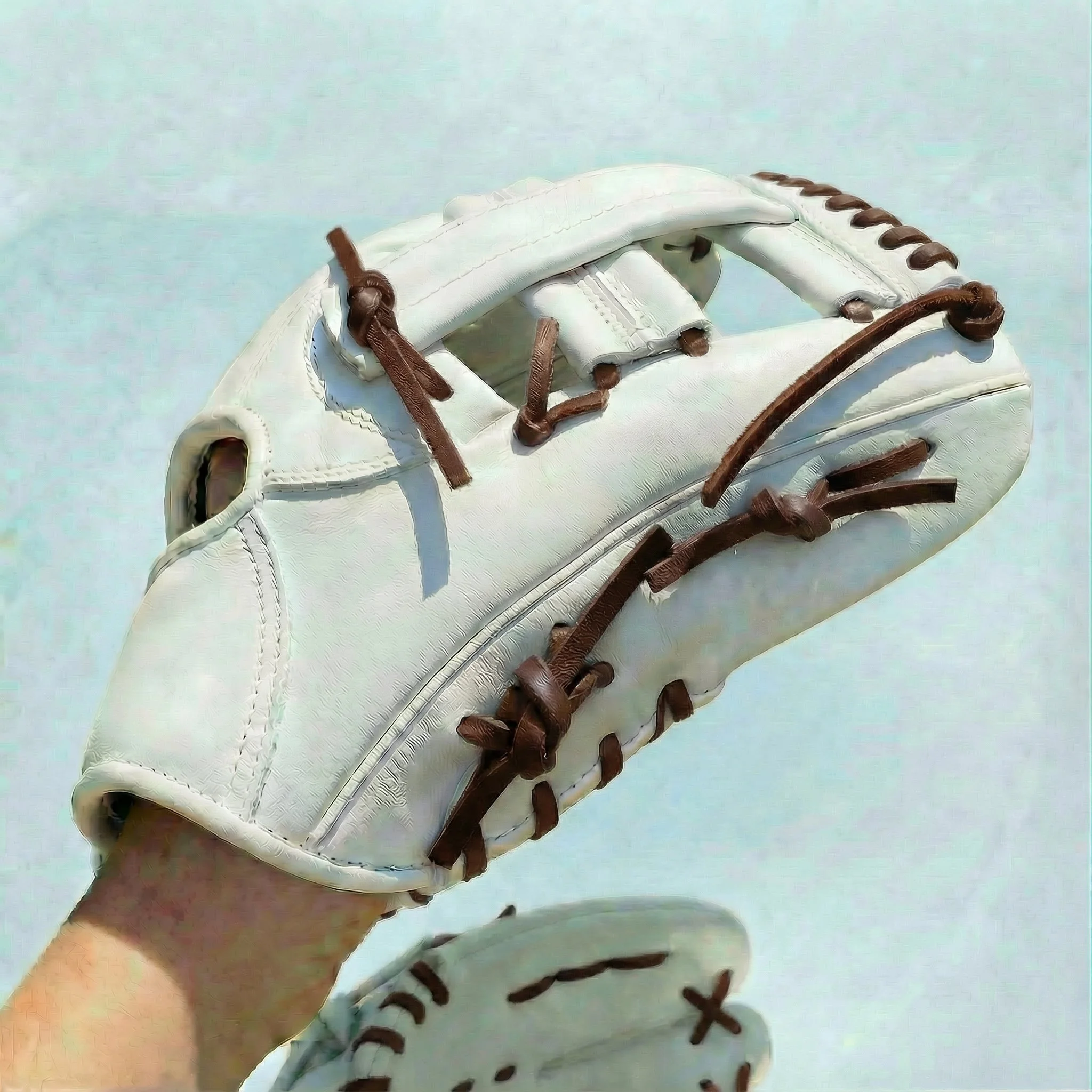
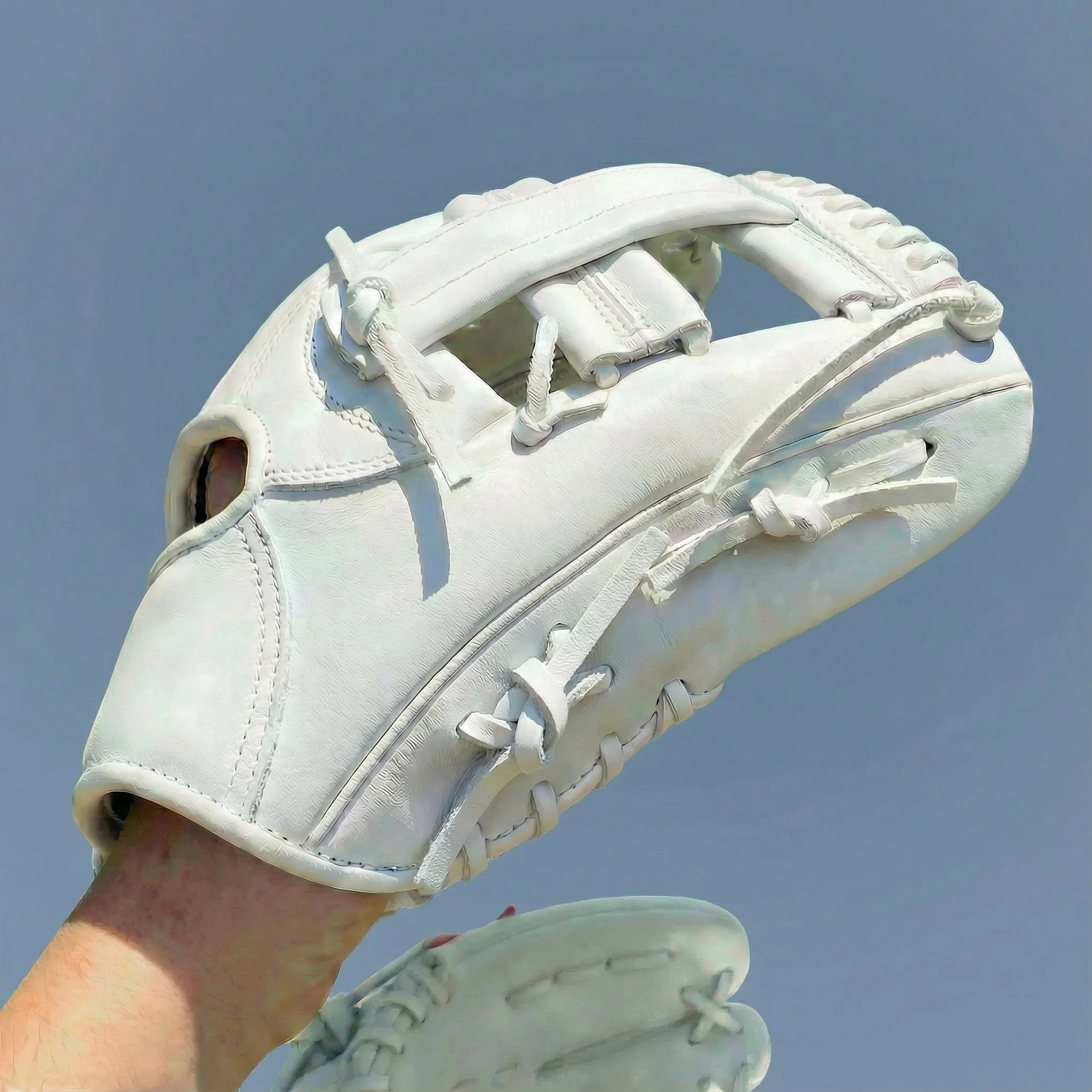
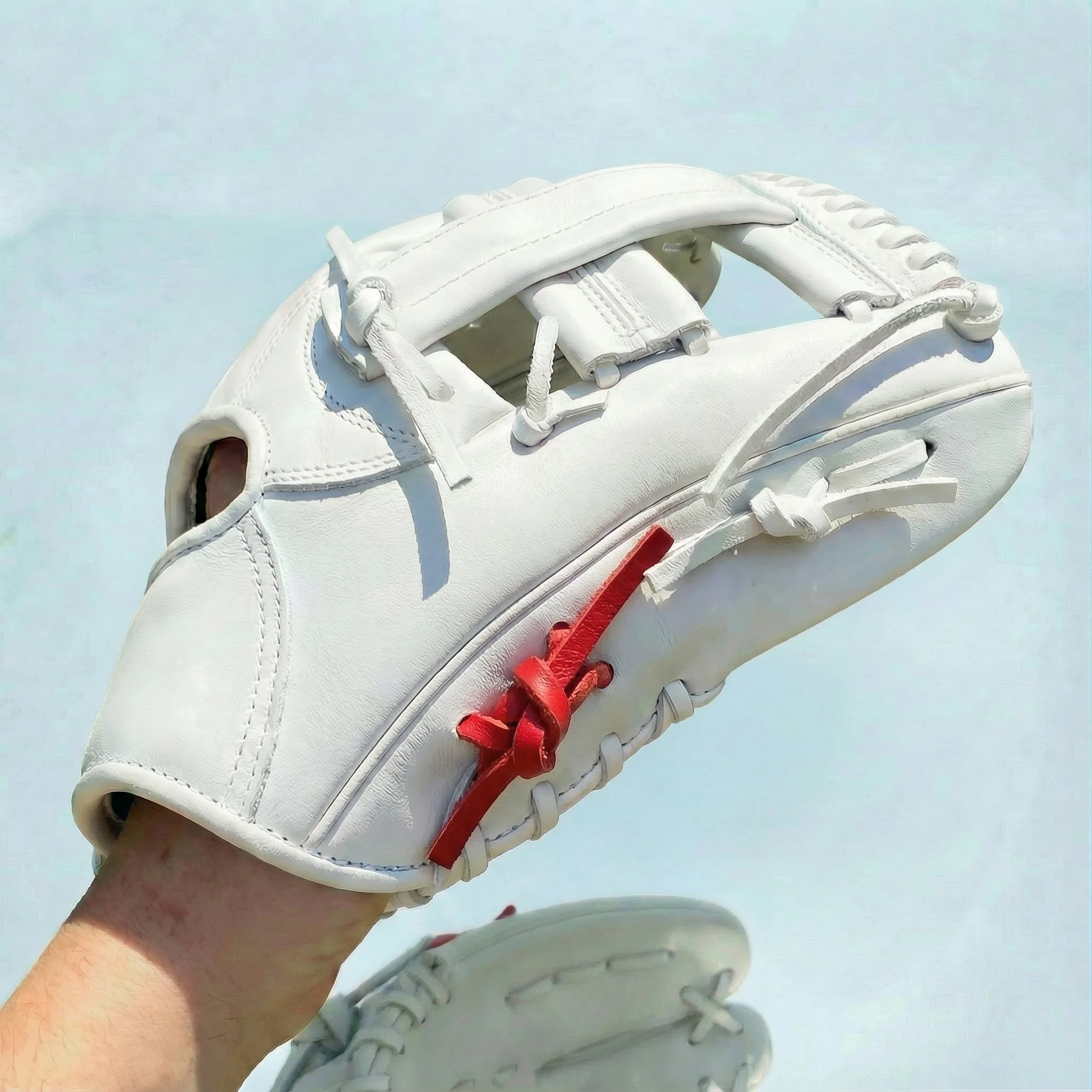
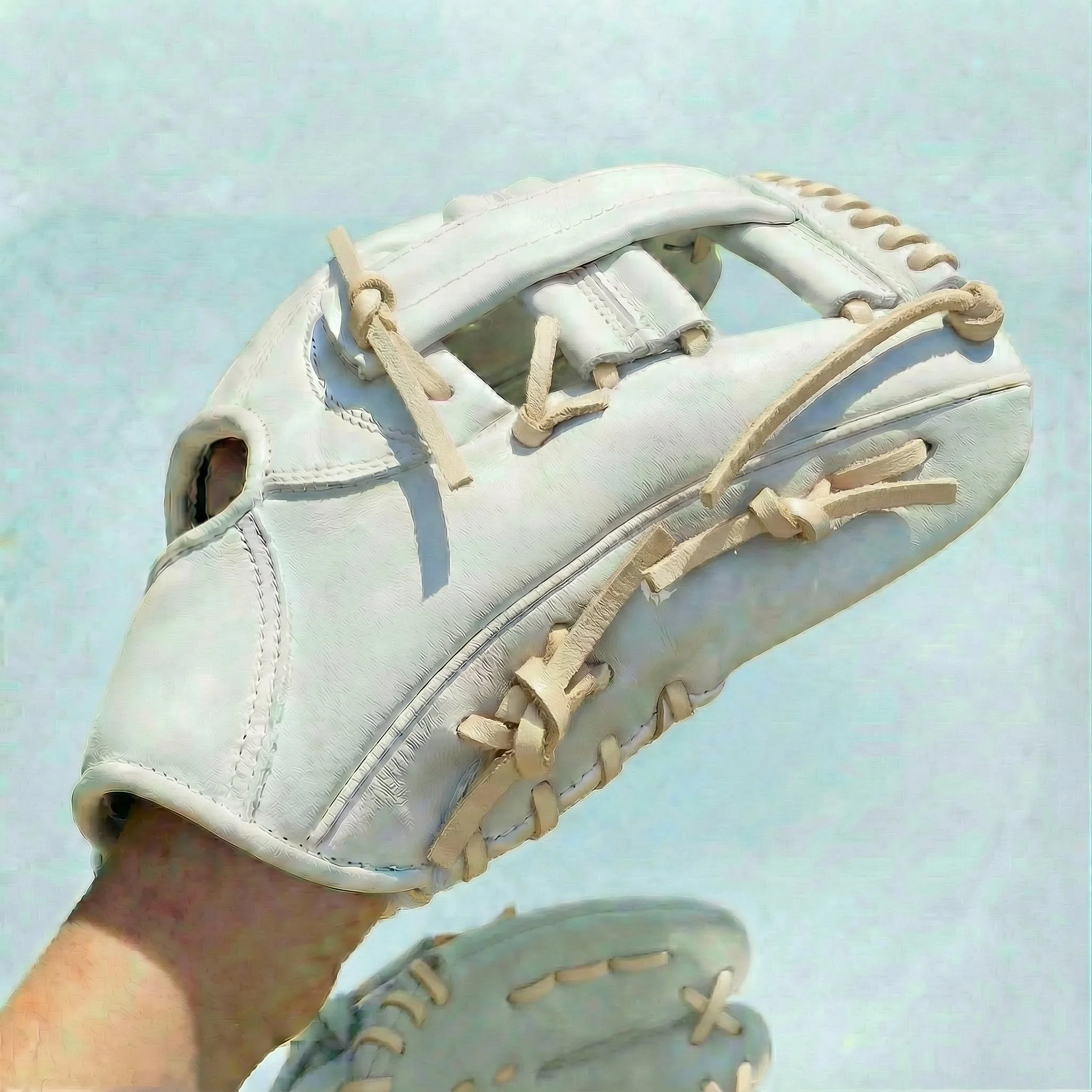
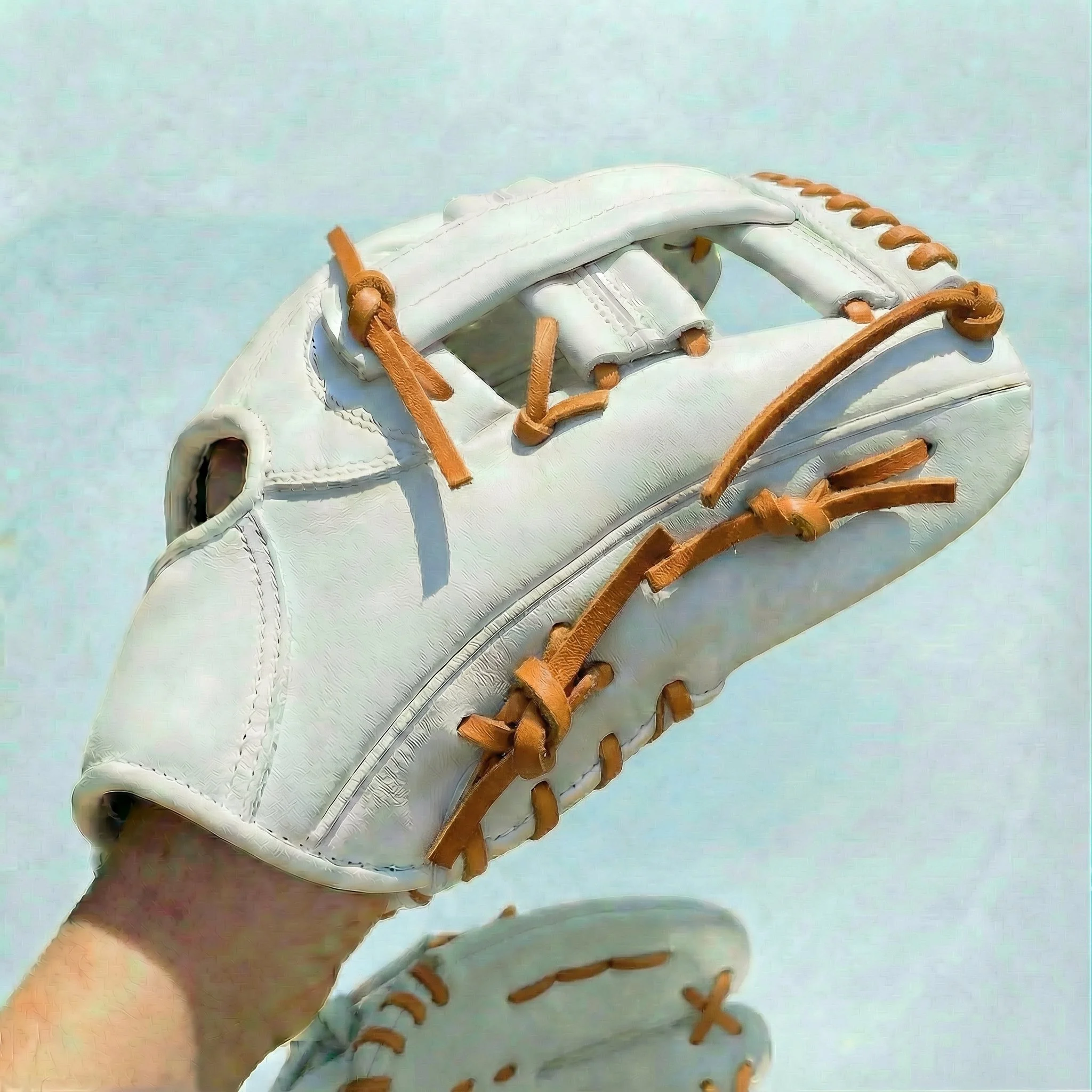
Before choosing laces, take a look at your glove. Don’t assume it follows a standard setup—there are variations depending on the model, pattern, and how it was originally laced. For example, some gloves use 3/16” lace in the web, even though many webs are typically 1/4”. Match what’s already there.
From there, the general guideline is:
3/16” width laces are used for:
Strap tie
Palm
Thumb
Little finger
Heel
1/4” width laces are used for:
Webs
Finger tops
Web tops
These sizes affect how the glove holds its shape and how the lace runs through the channels, so staying consistent with what’s already in the glove matters.
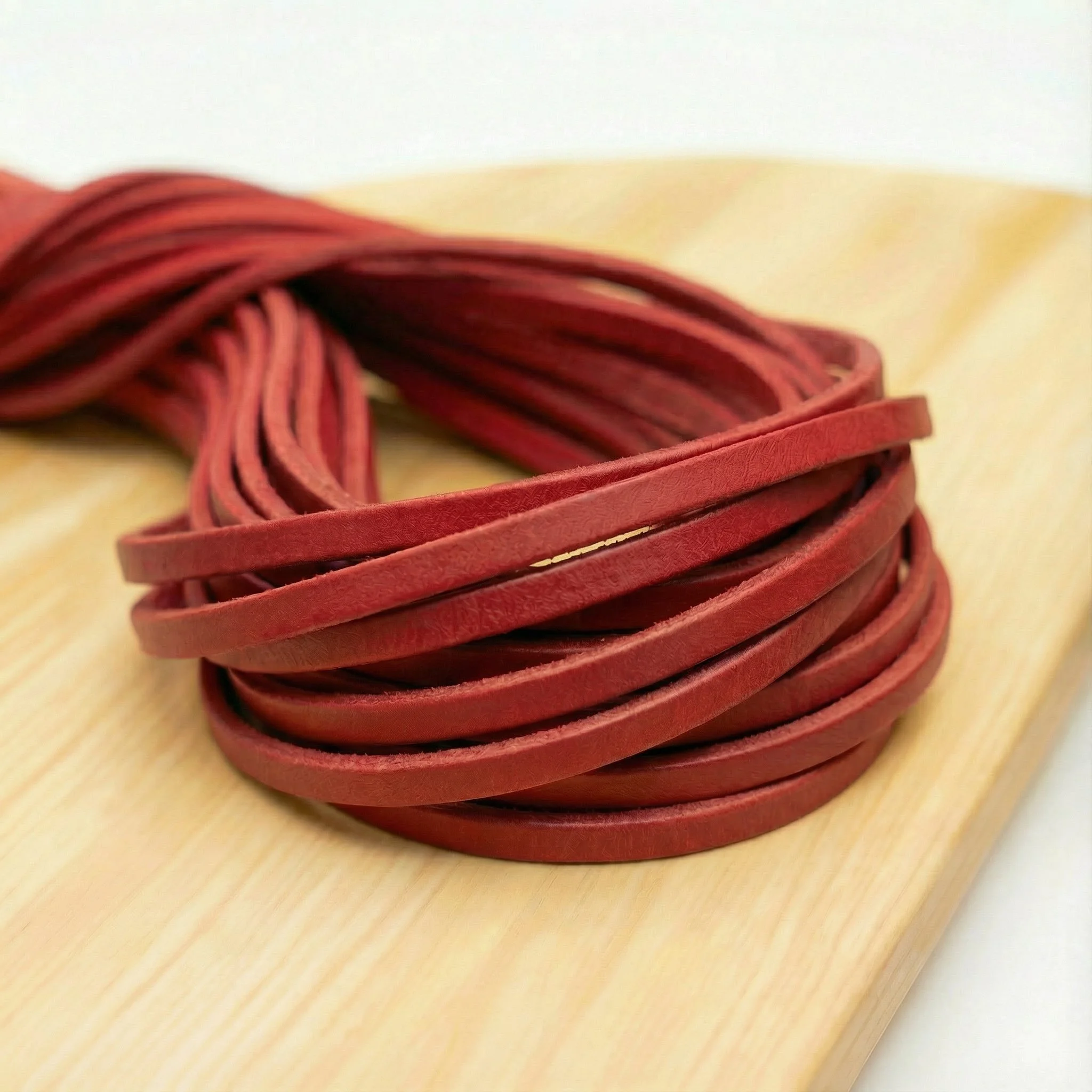
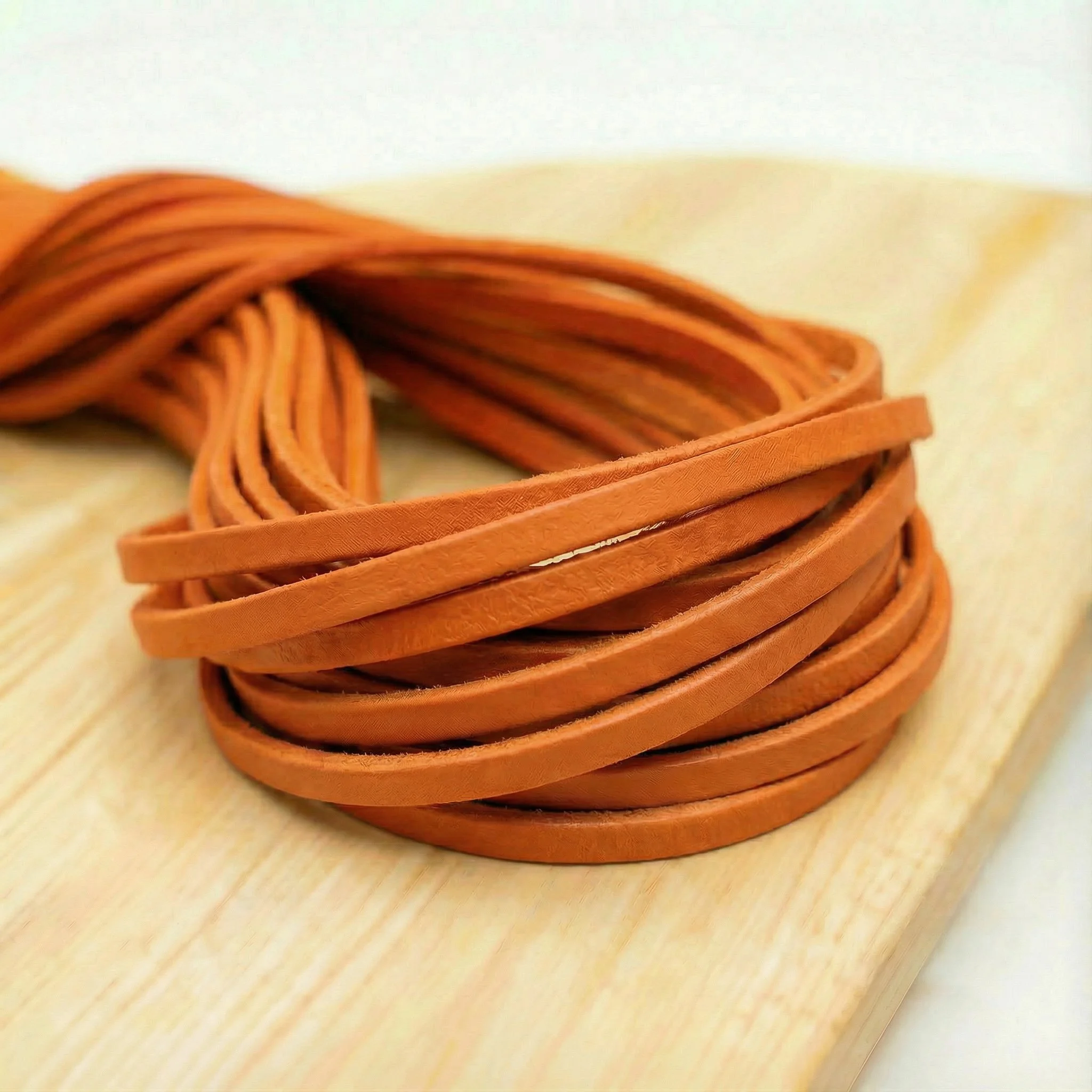
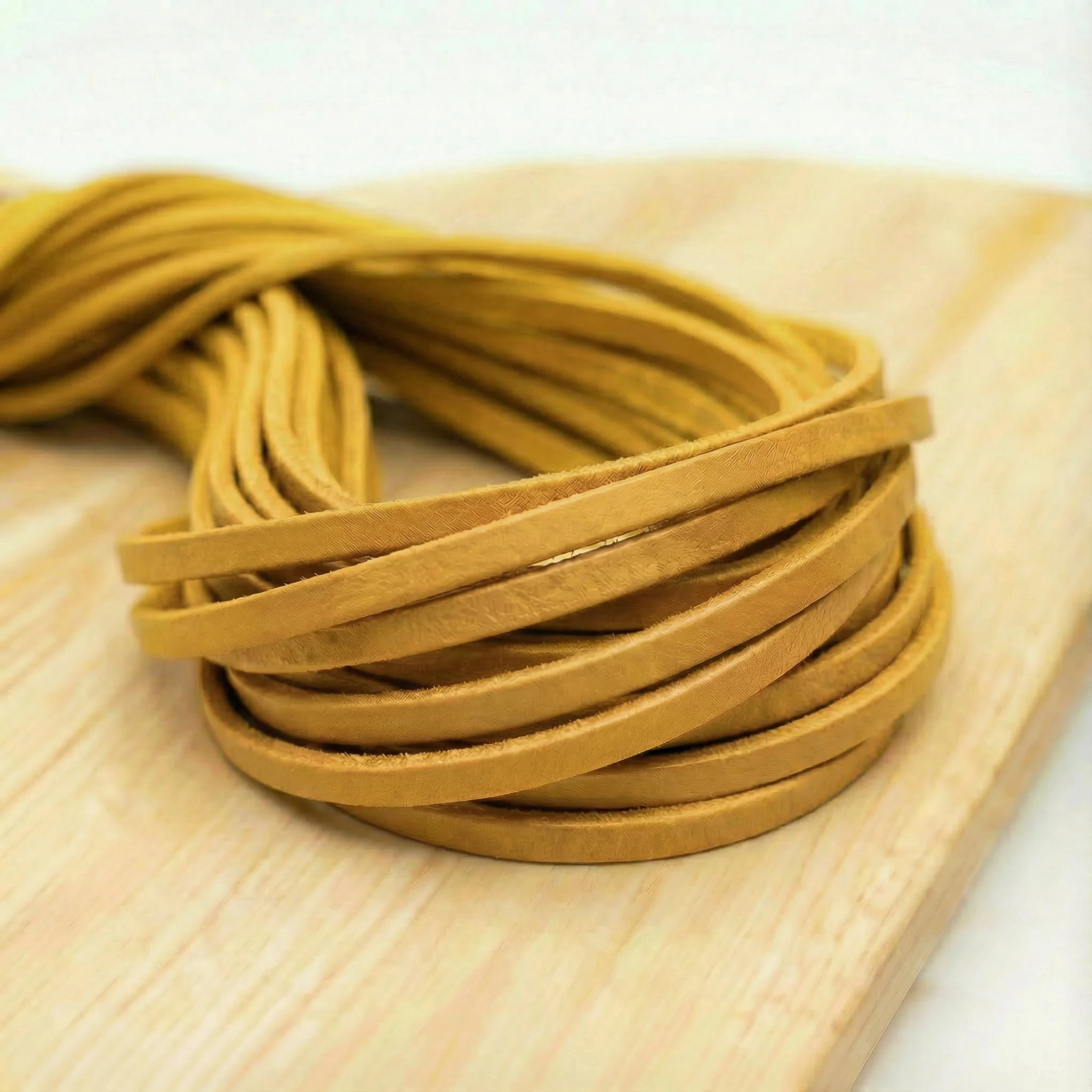
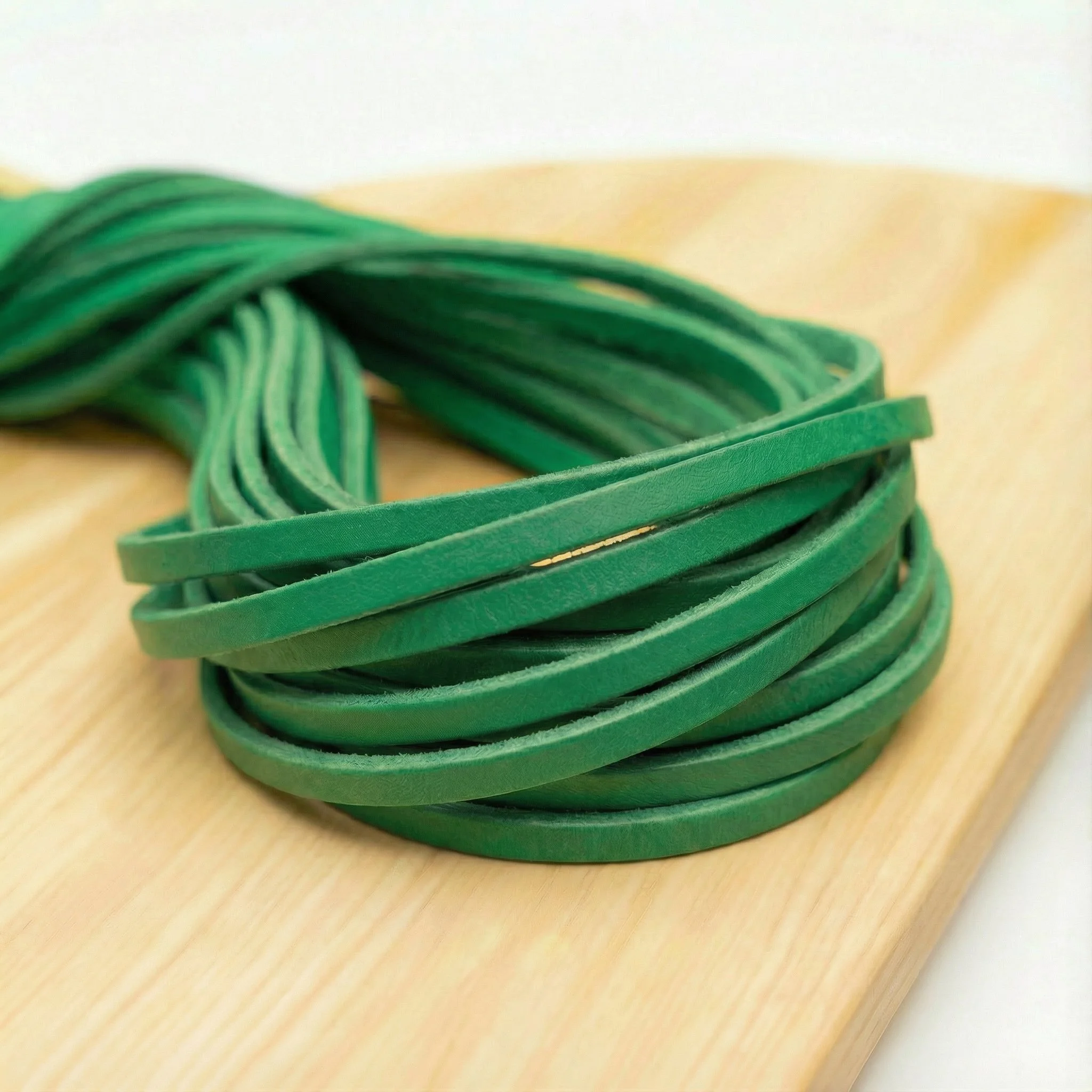
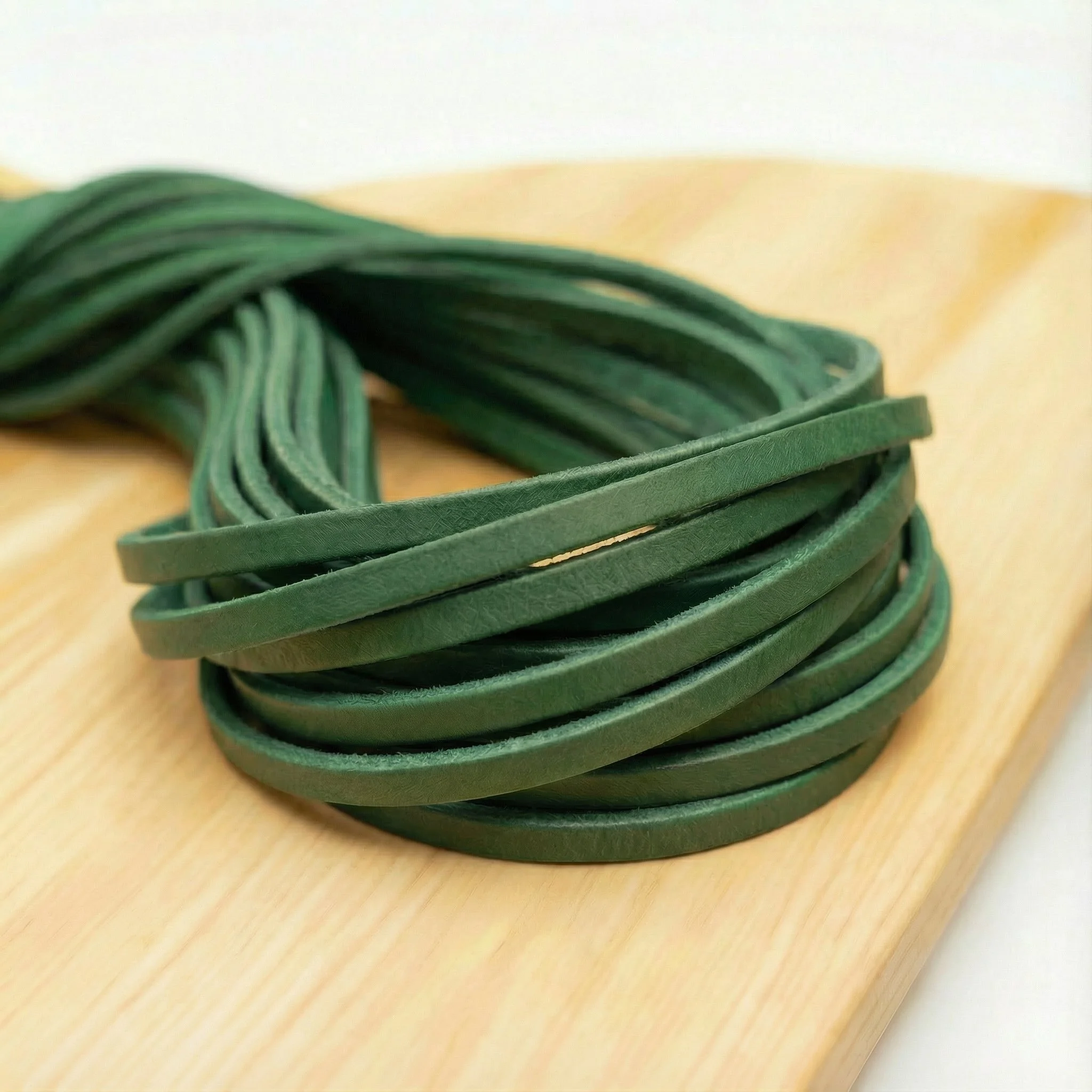
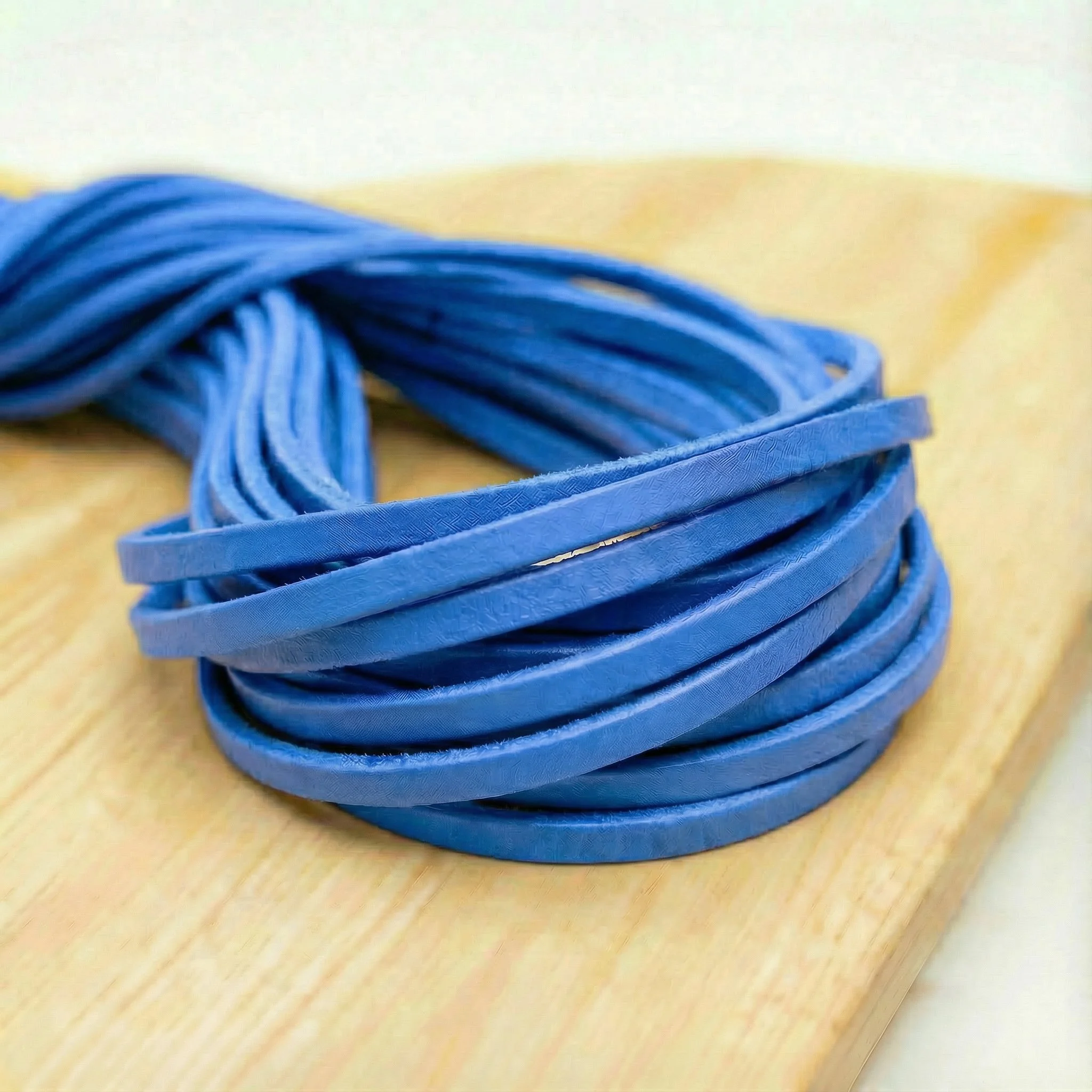
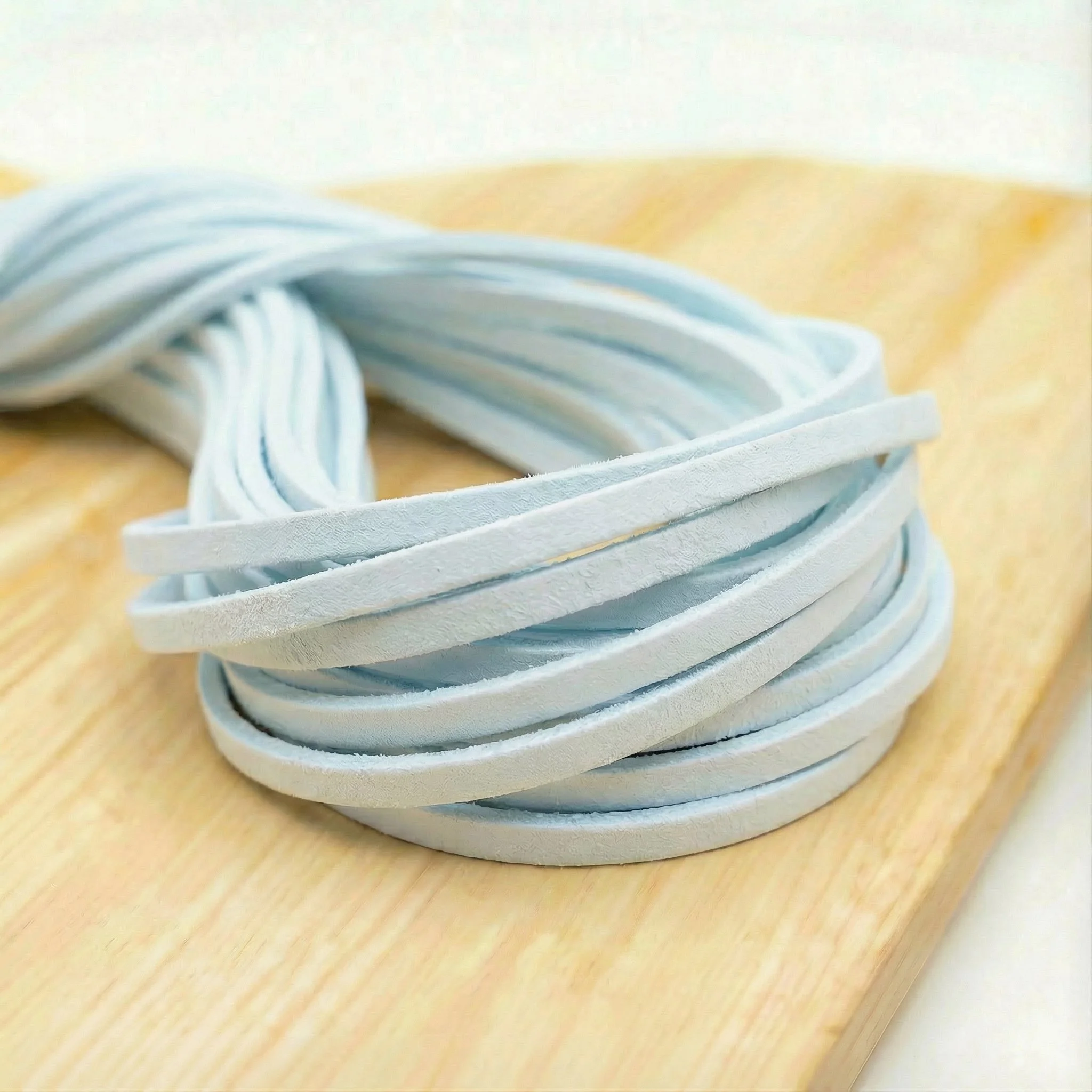
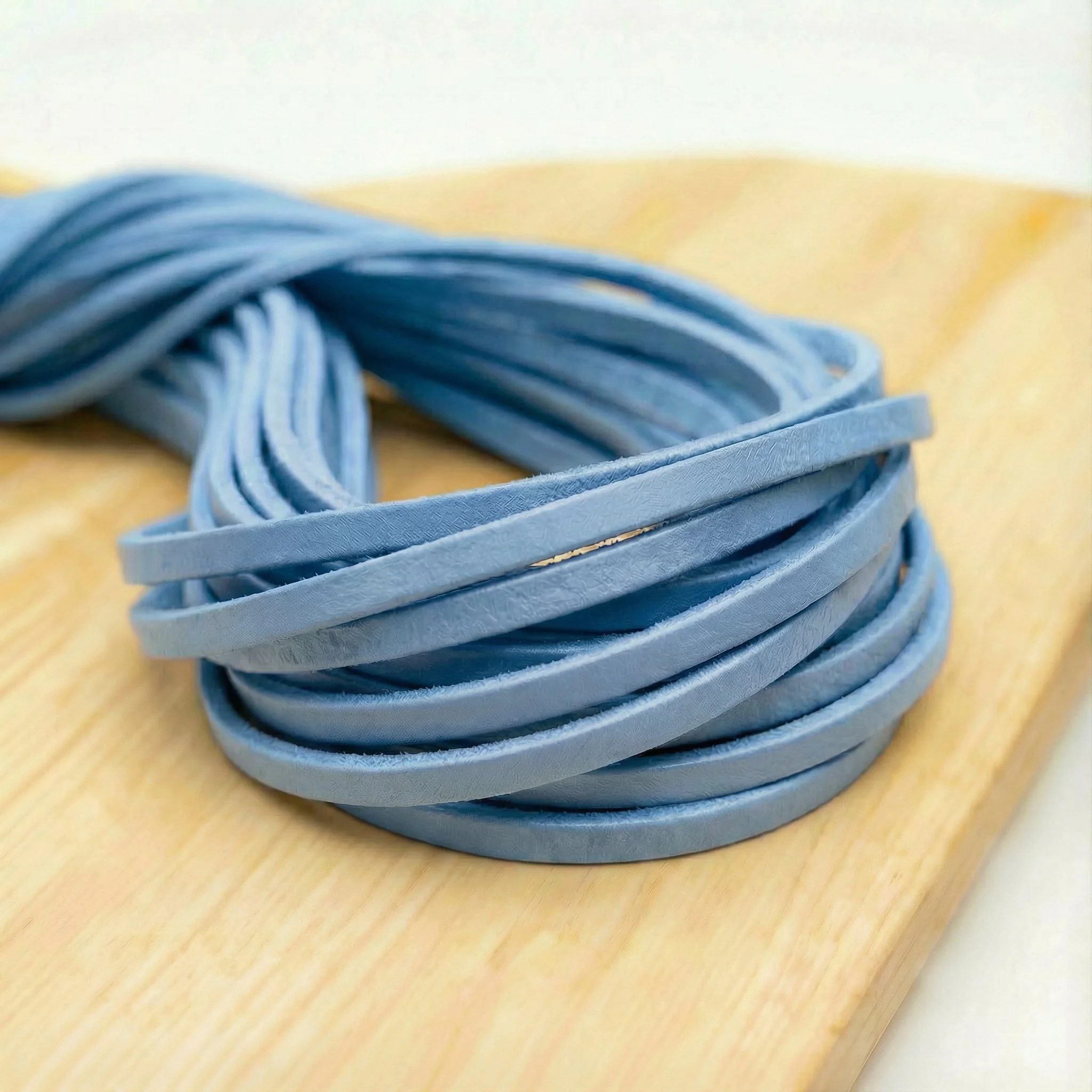
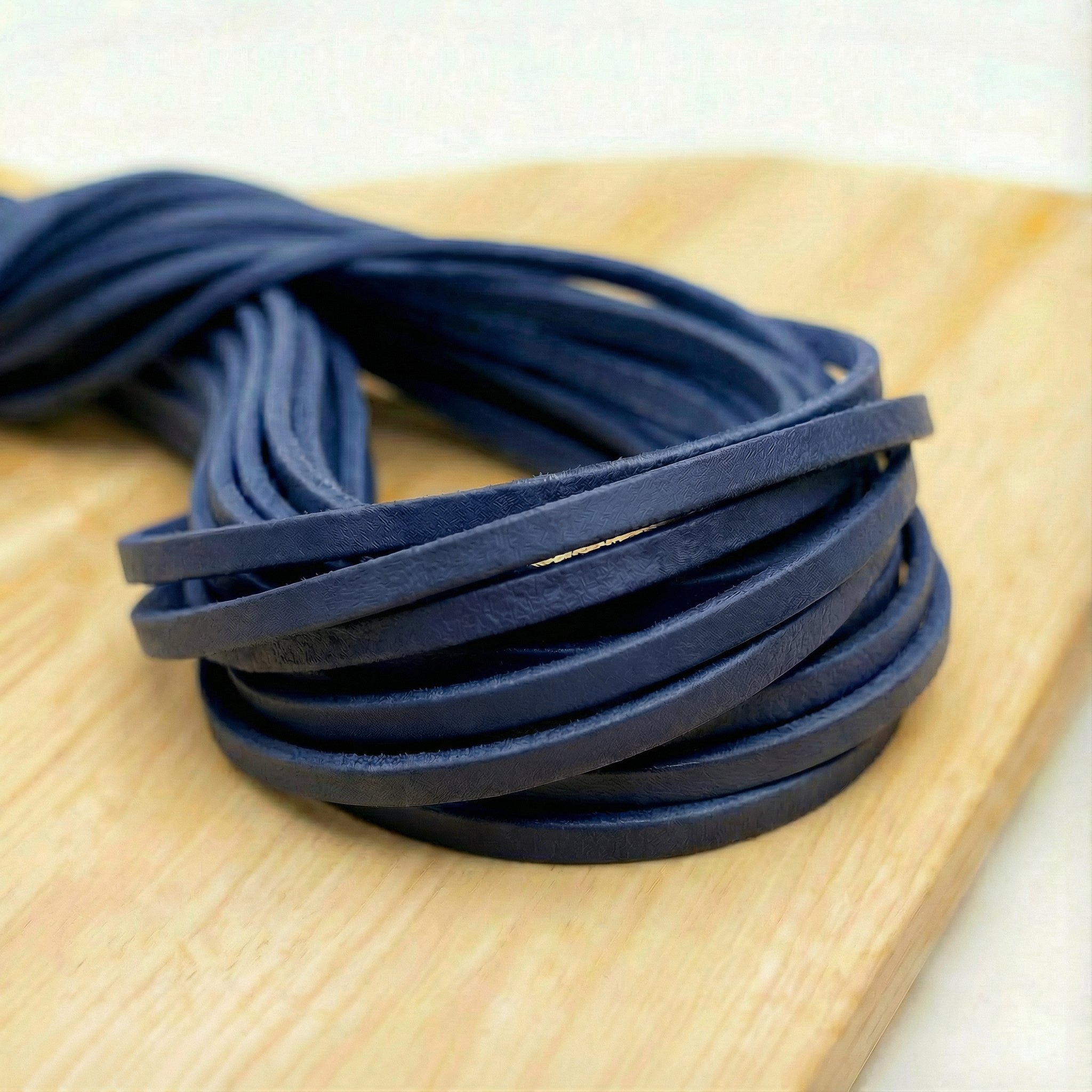
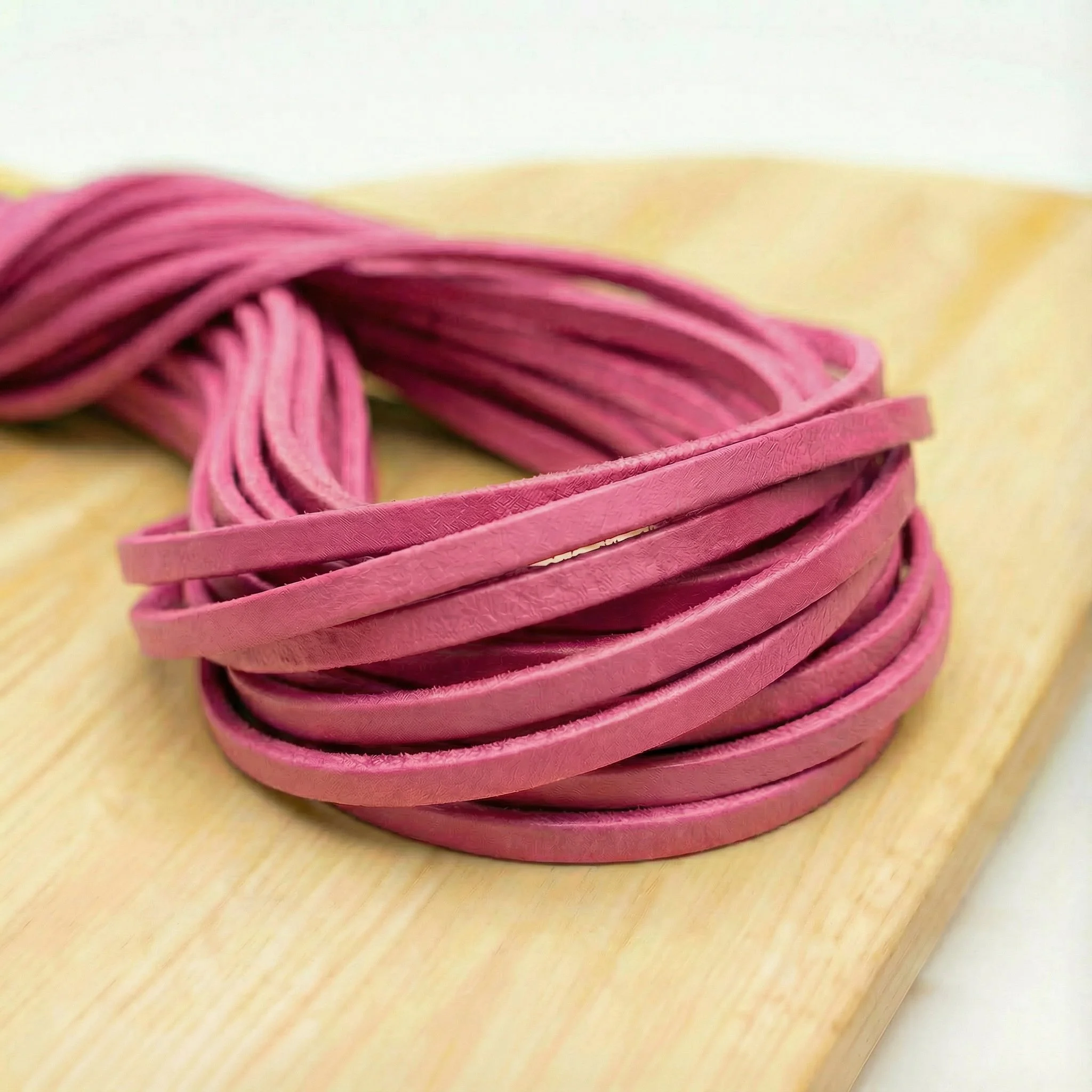
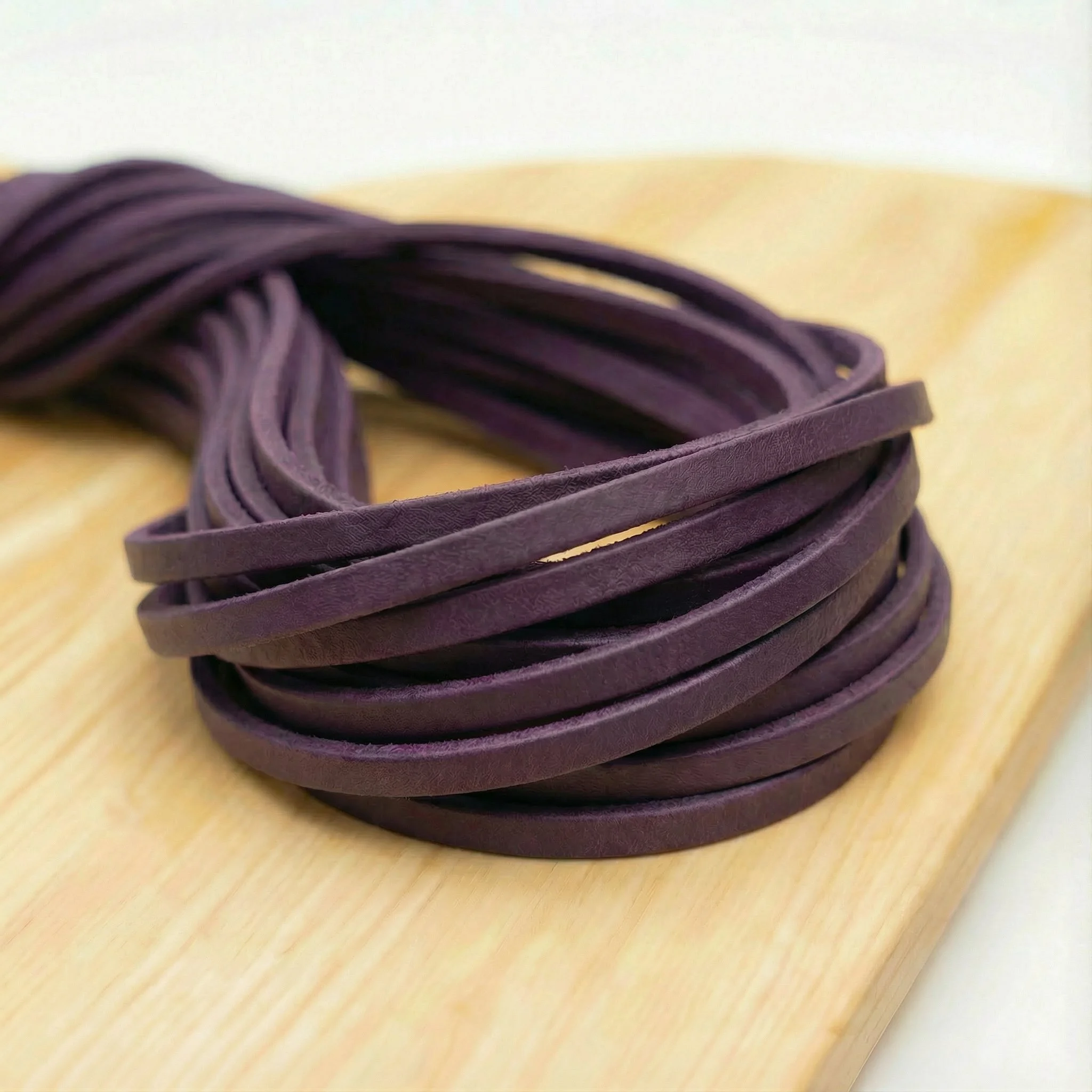
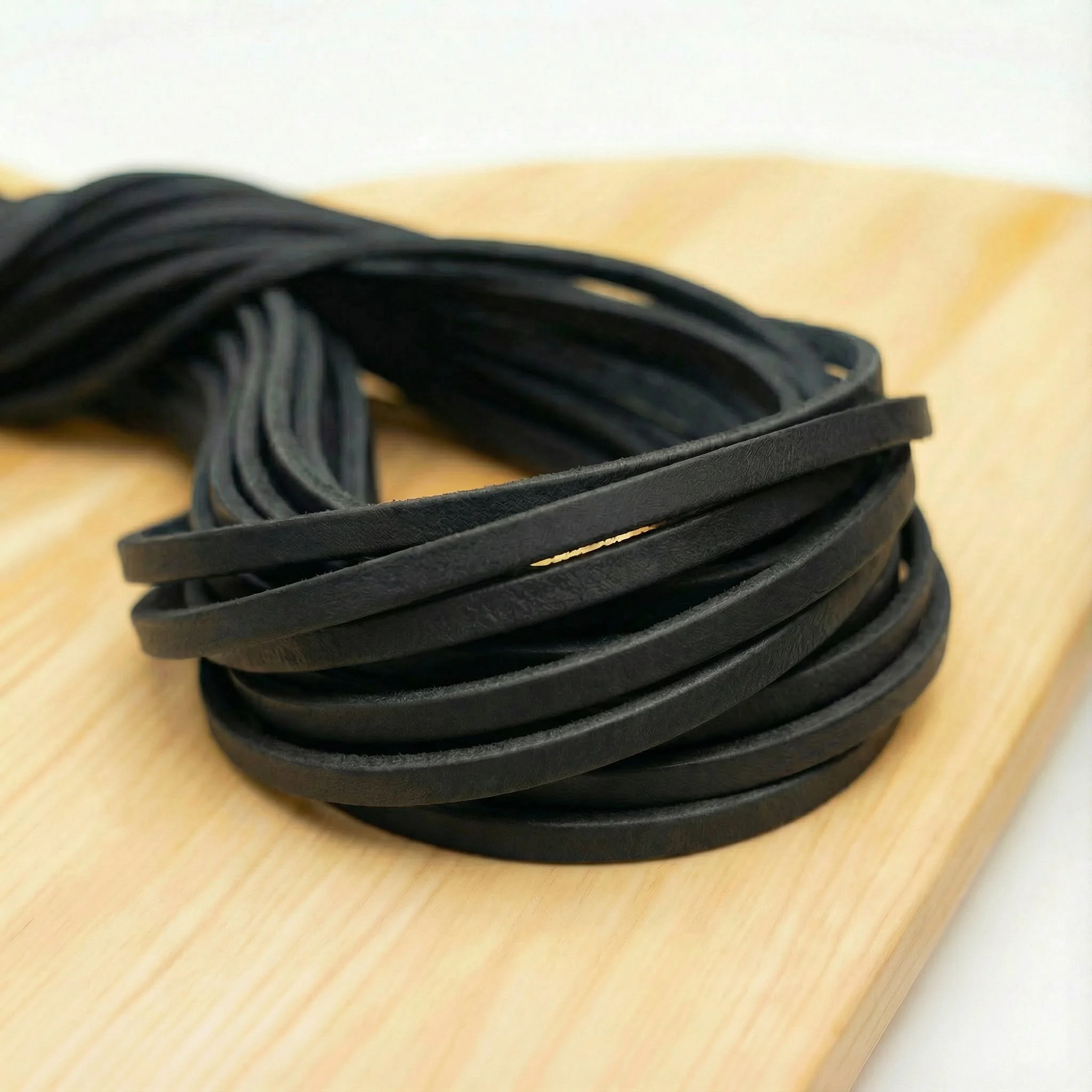
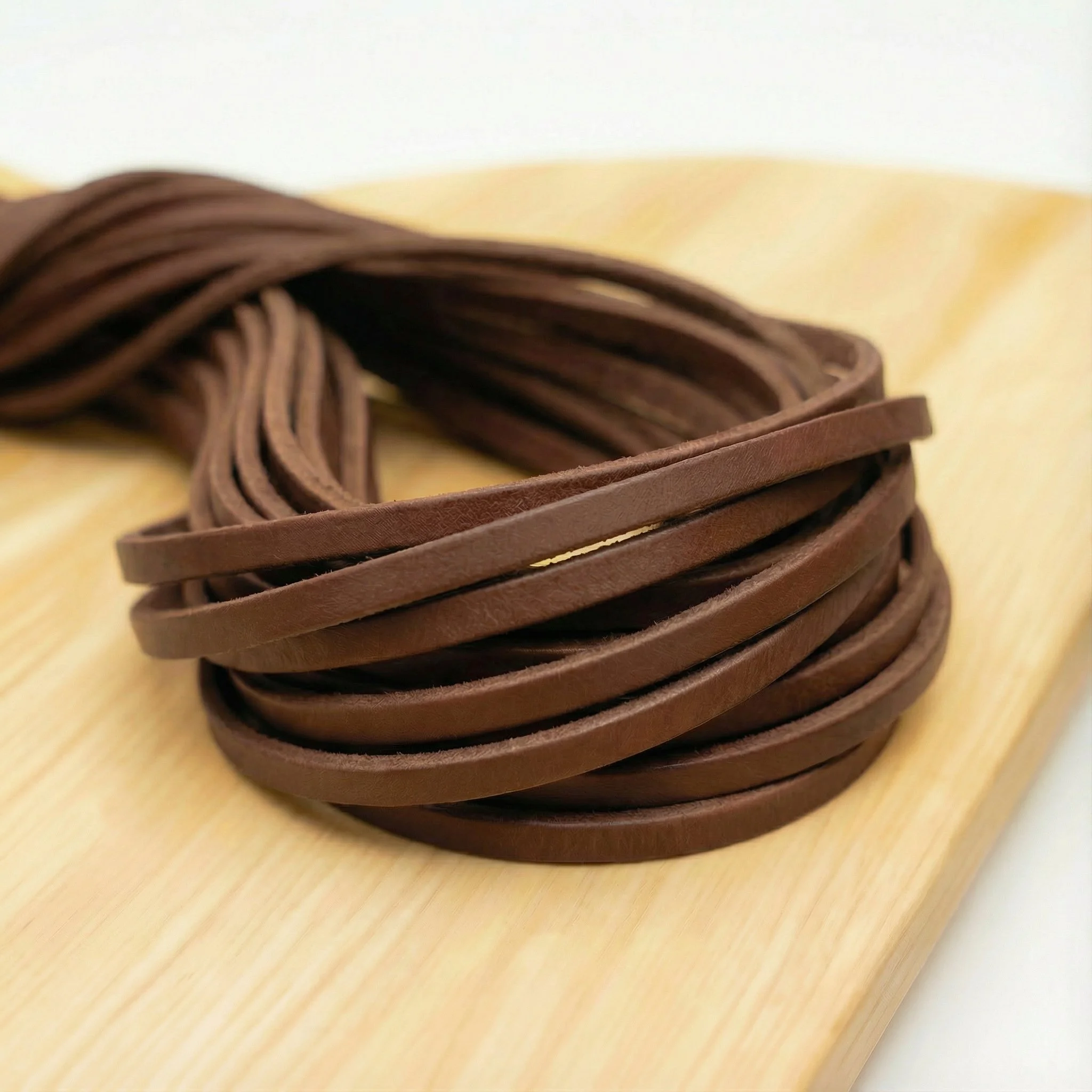
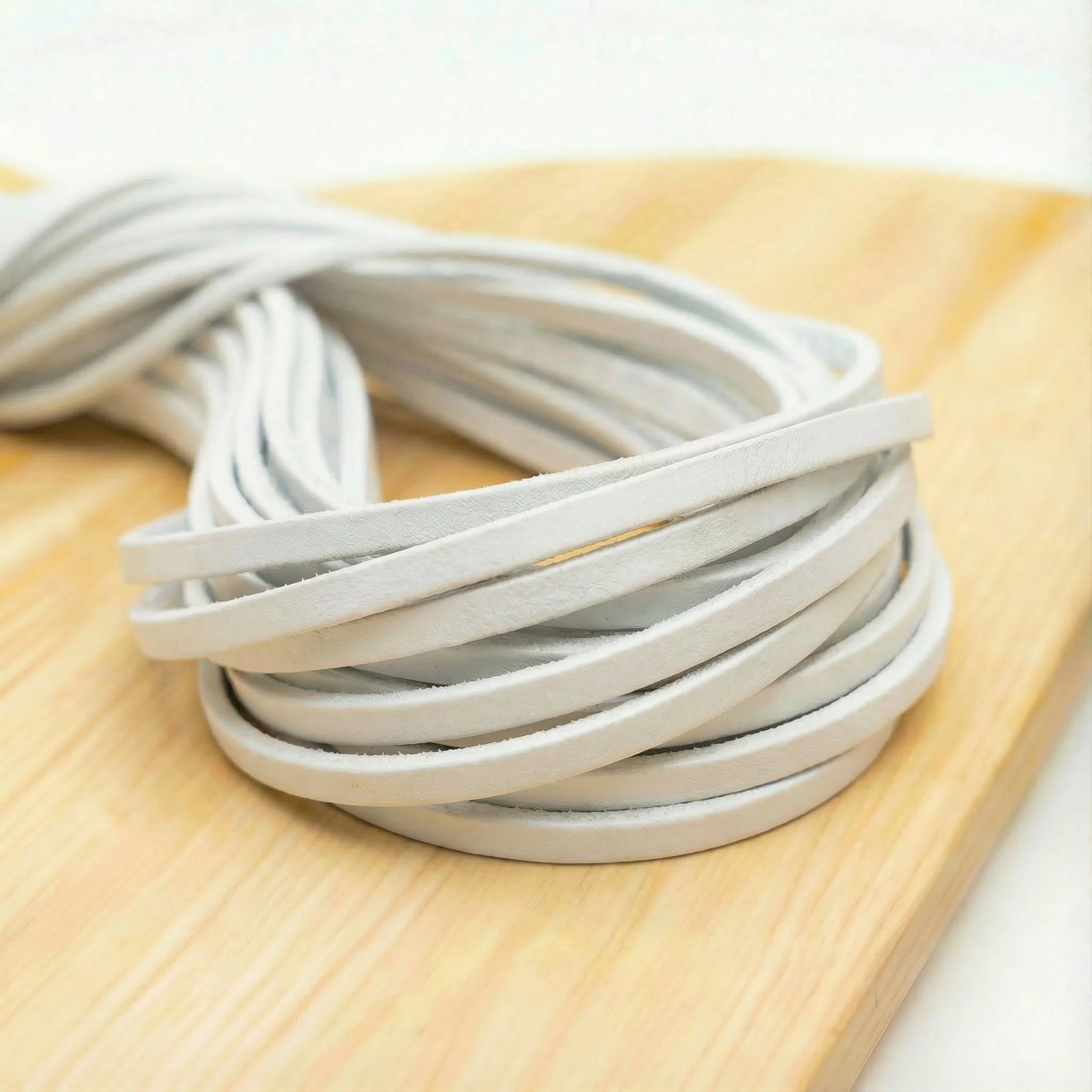
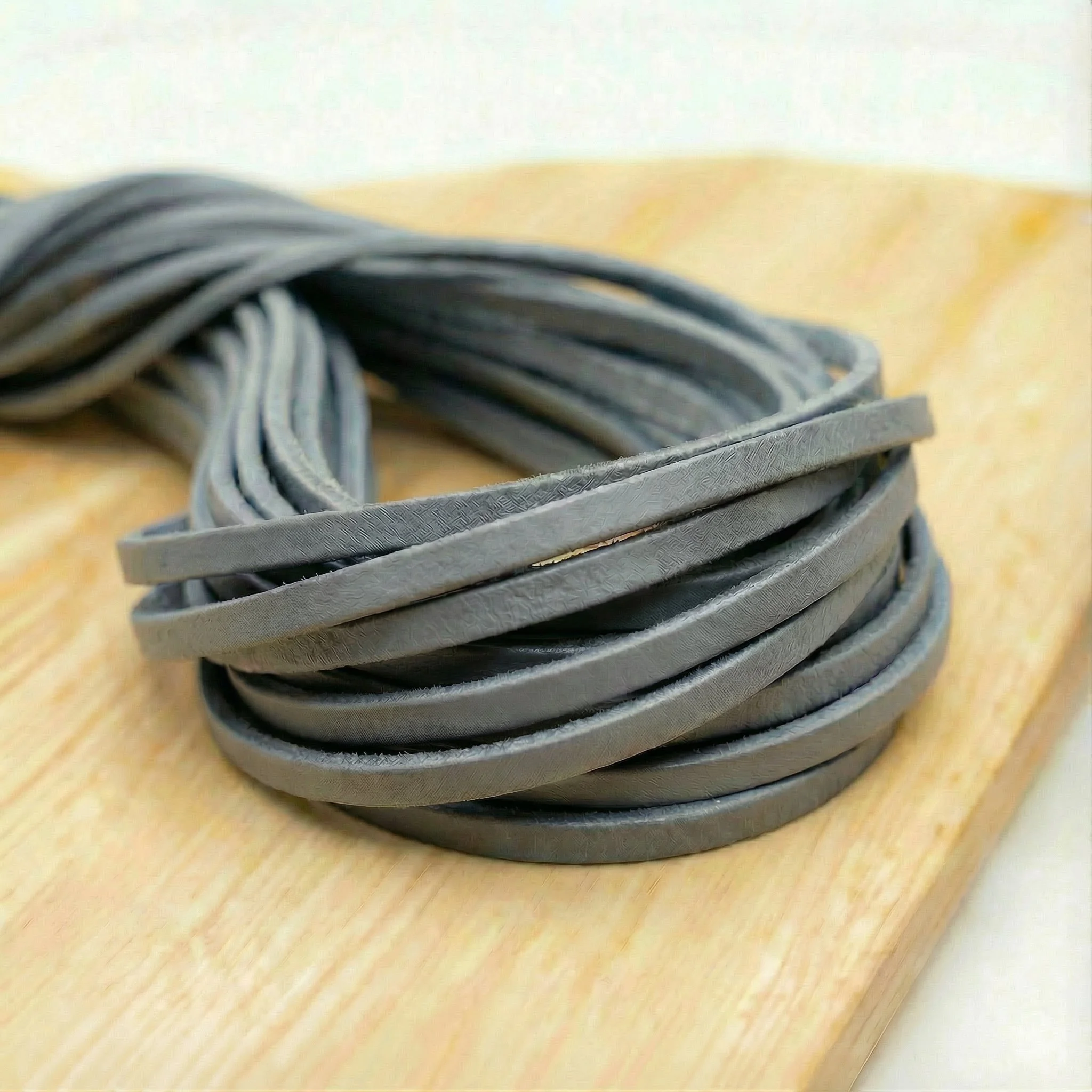
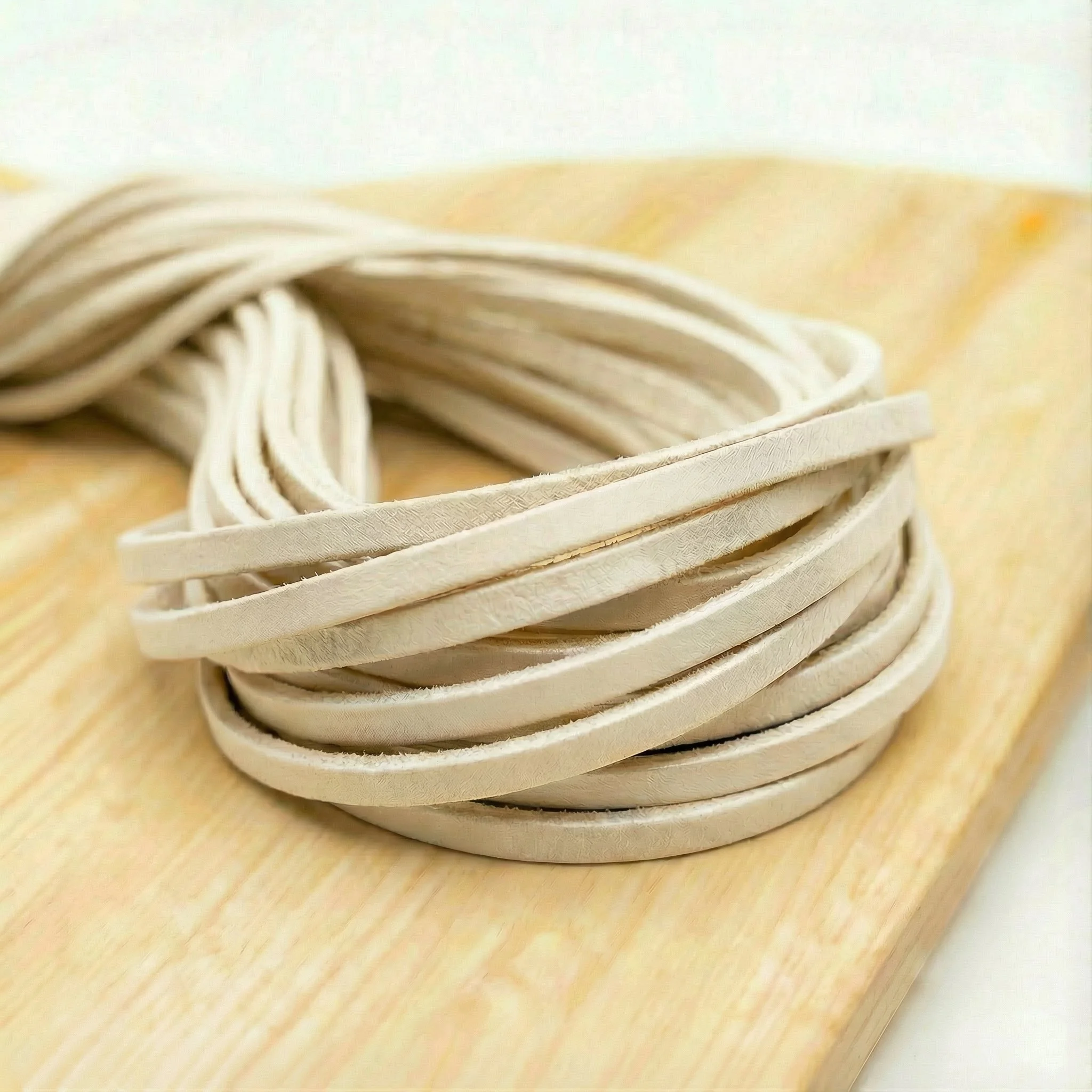
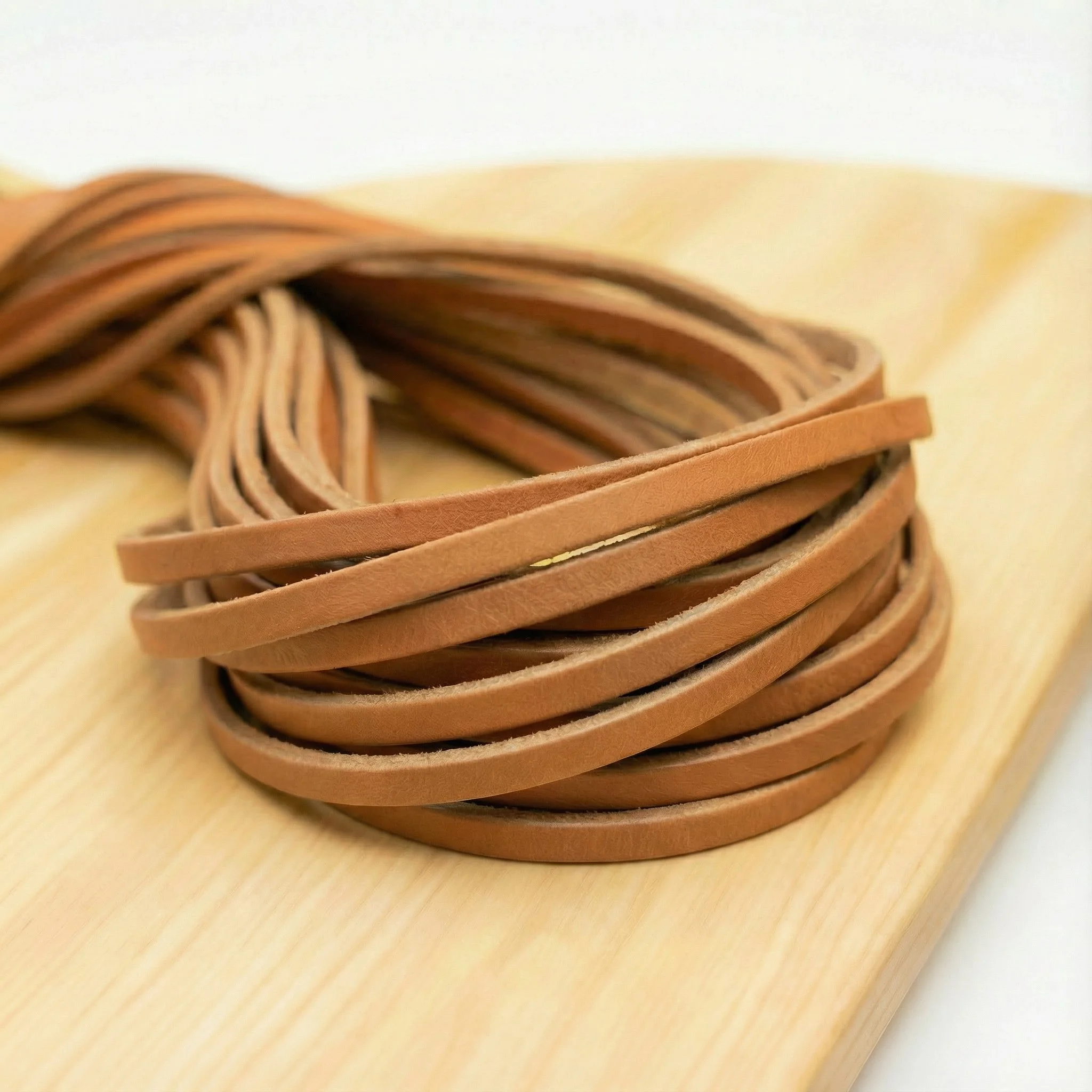
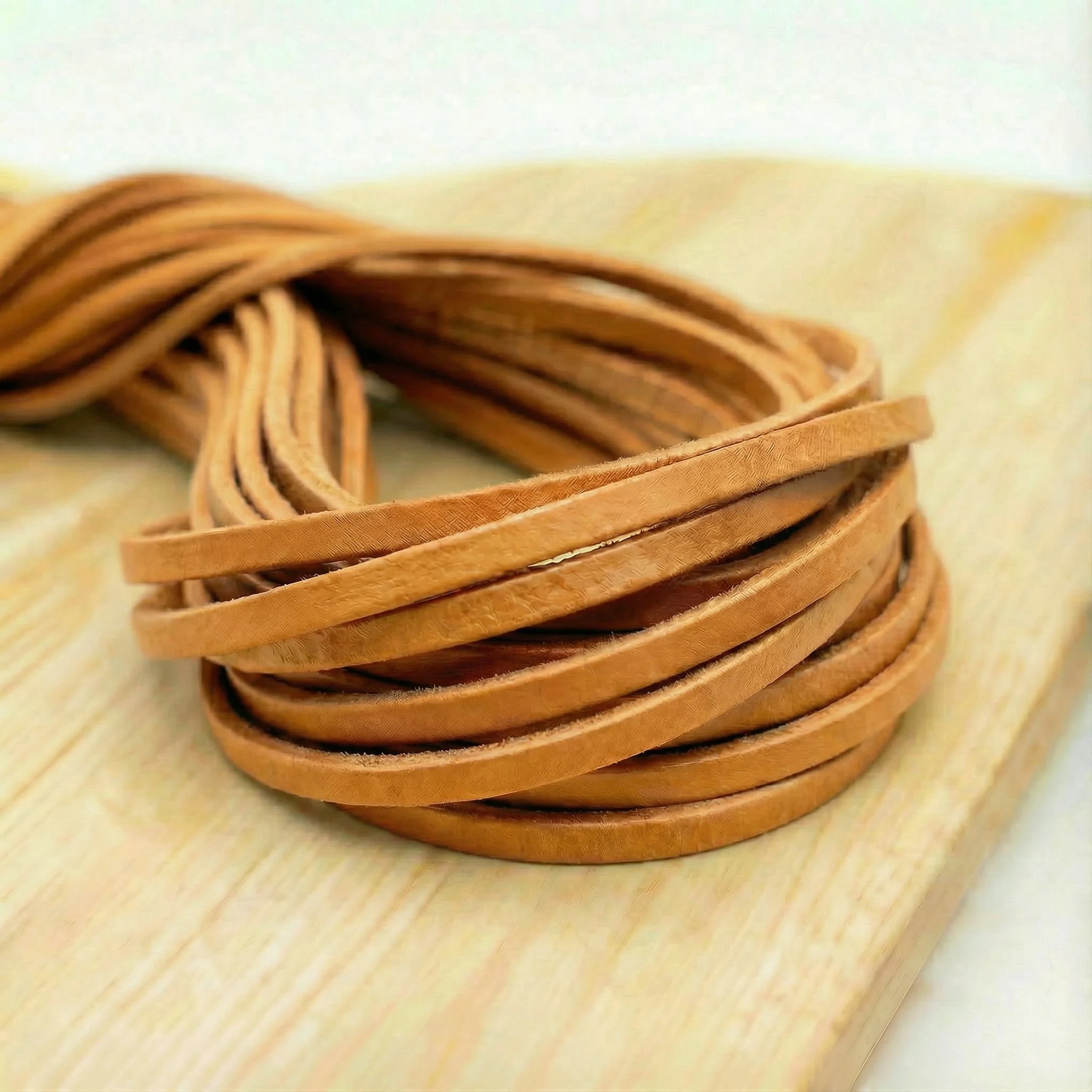
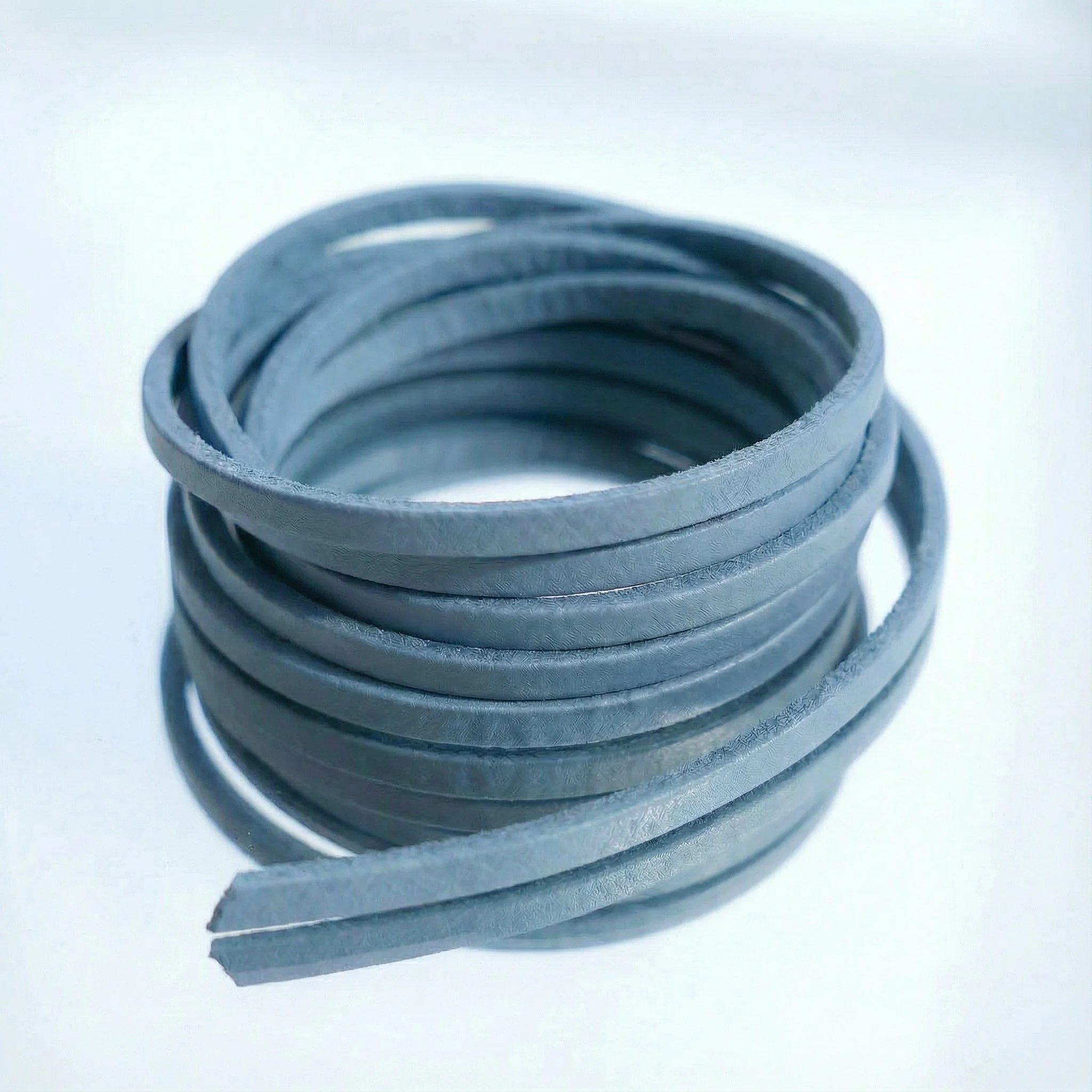
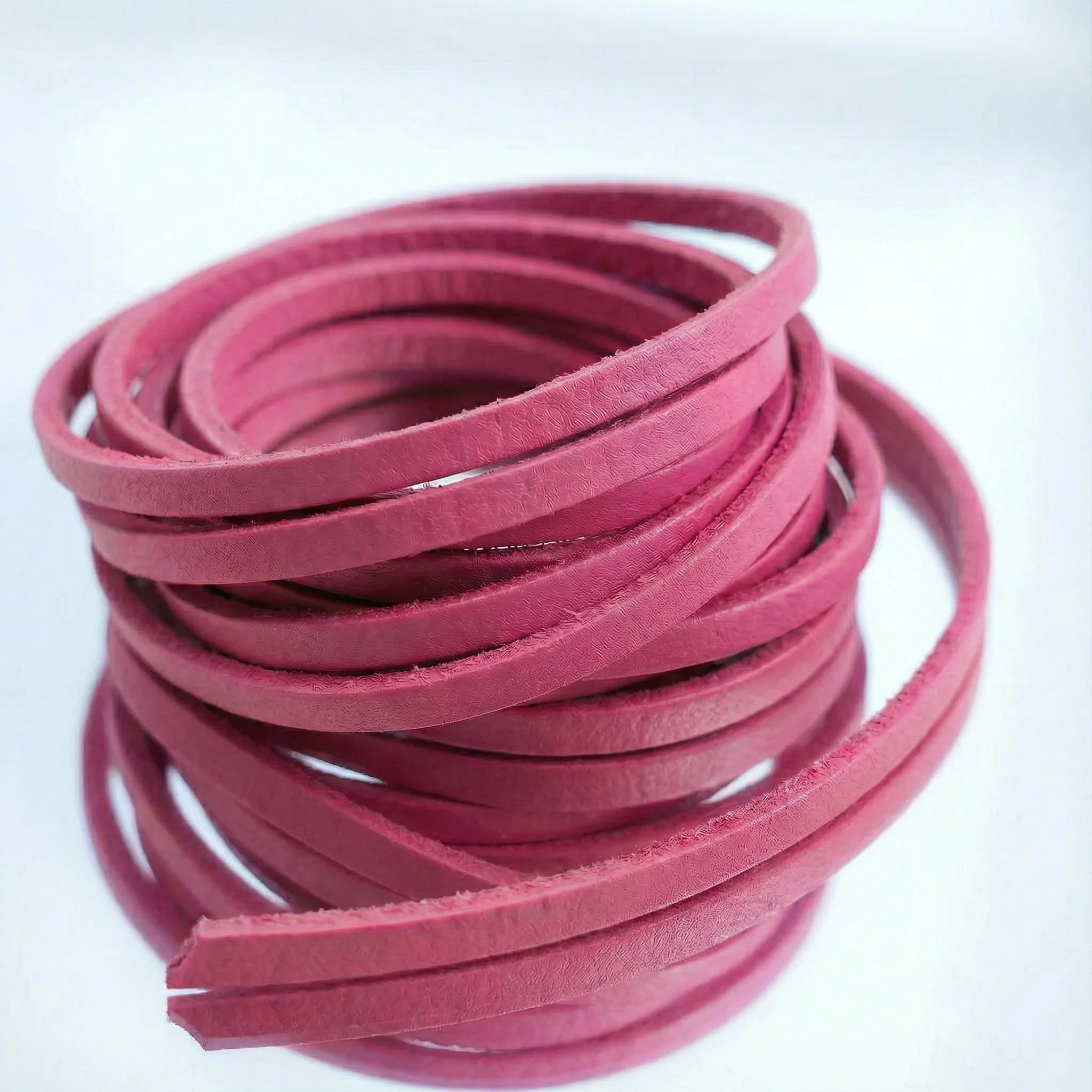
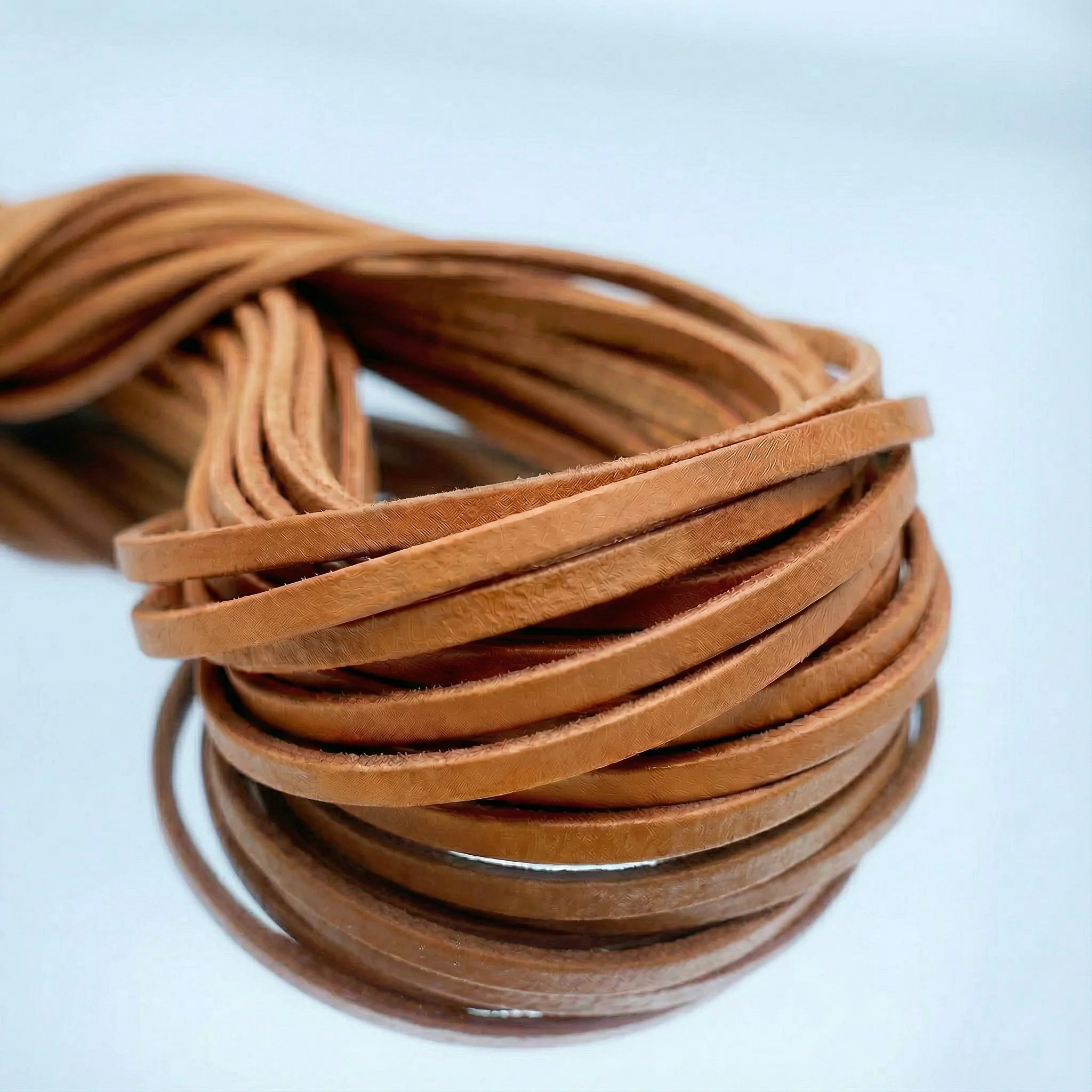
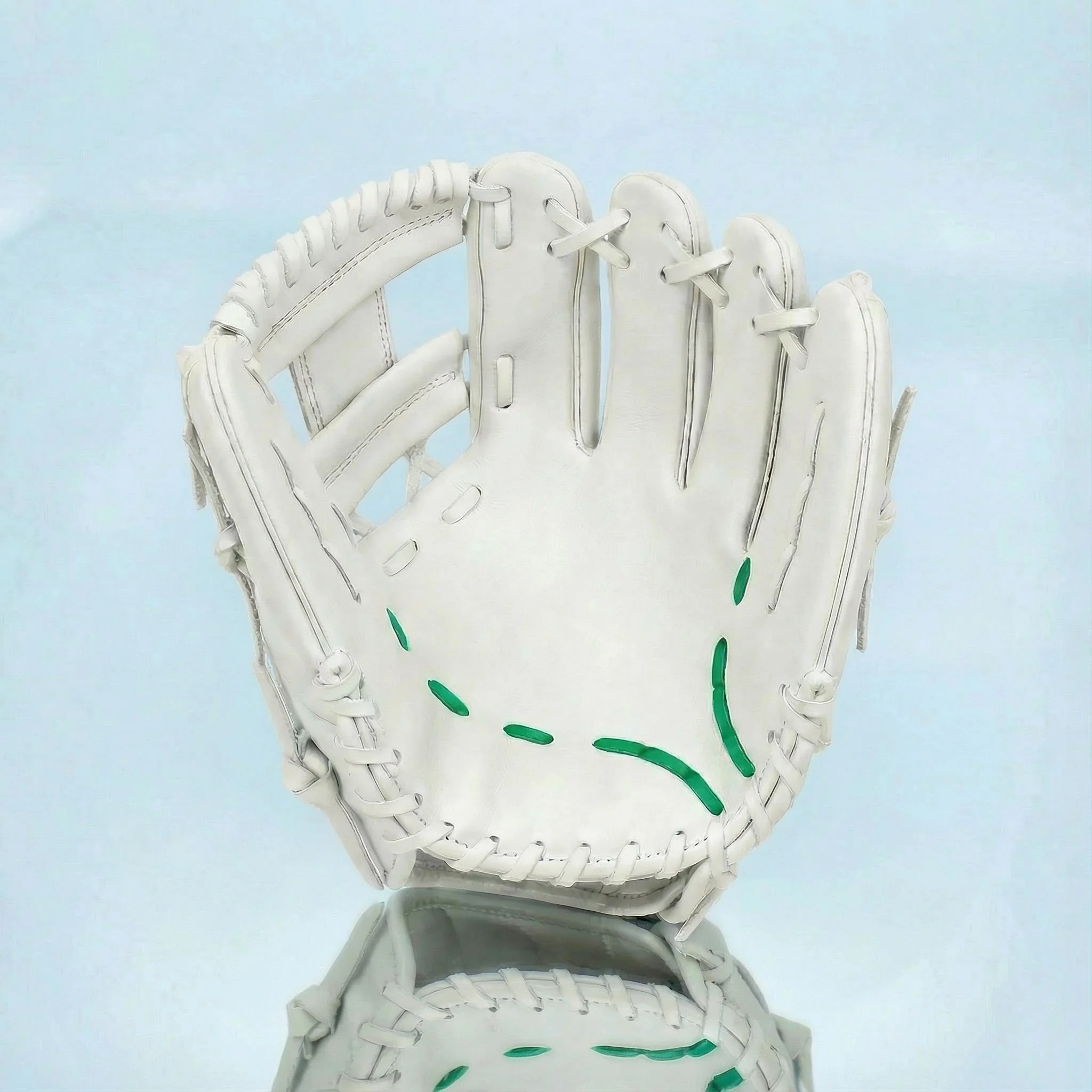
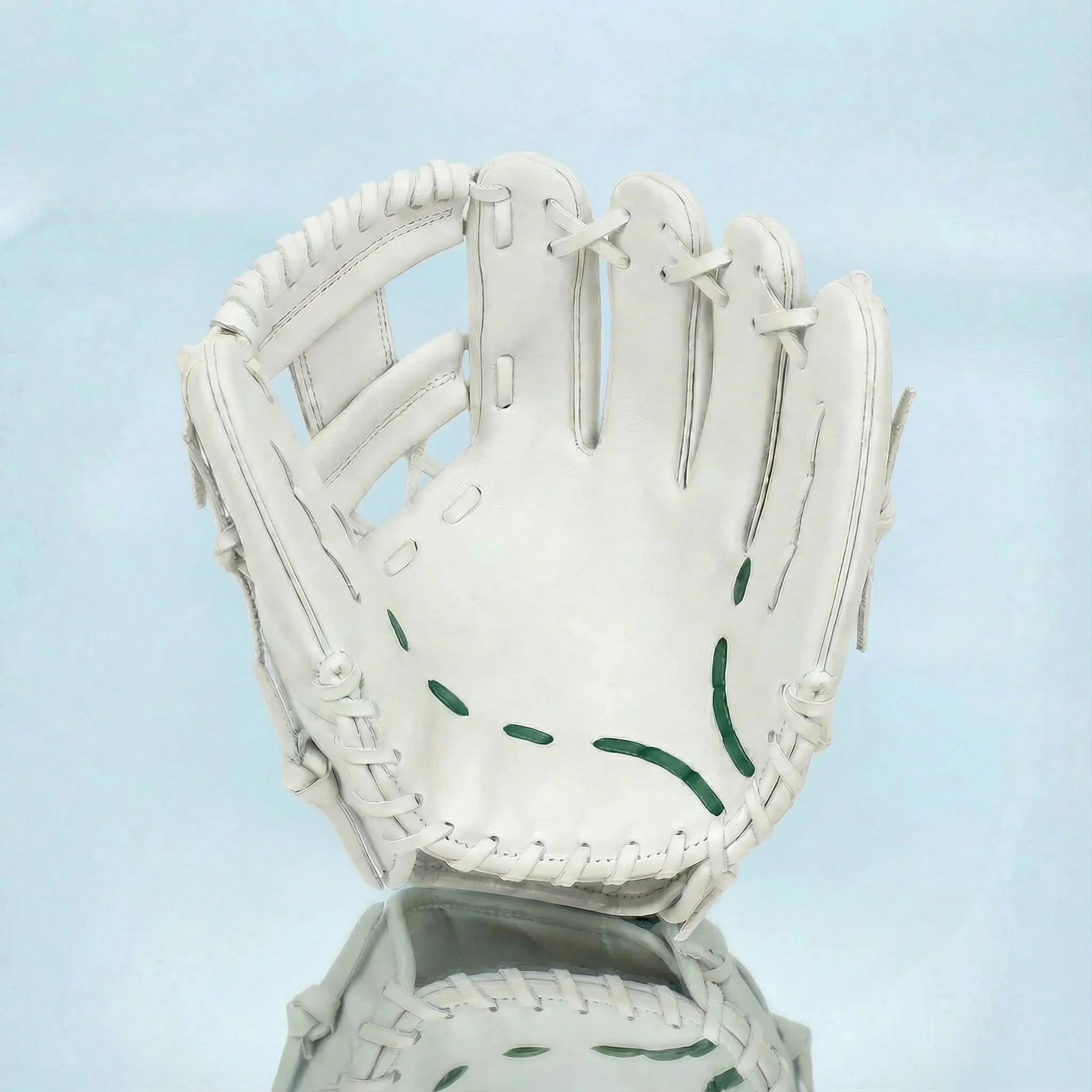
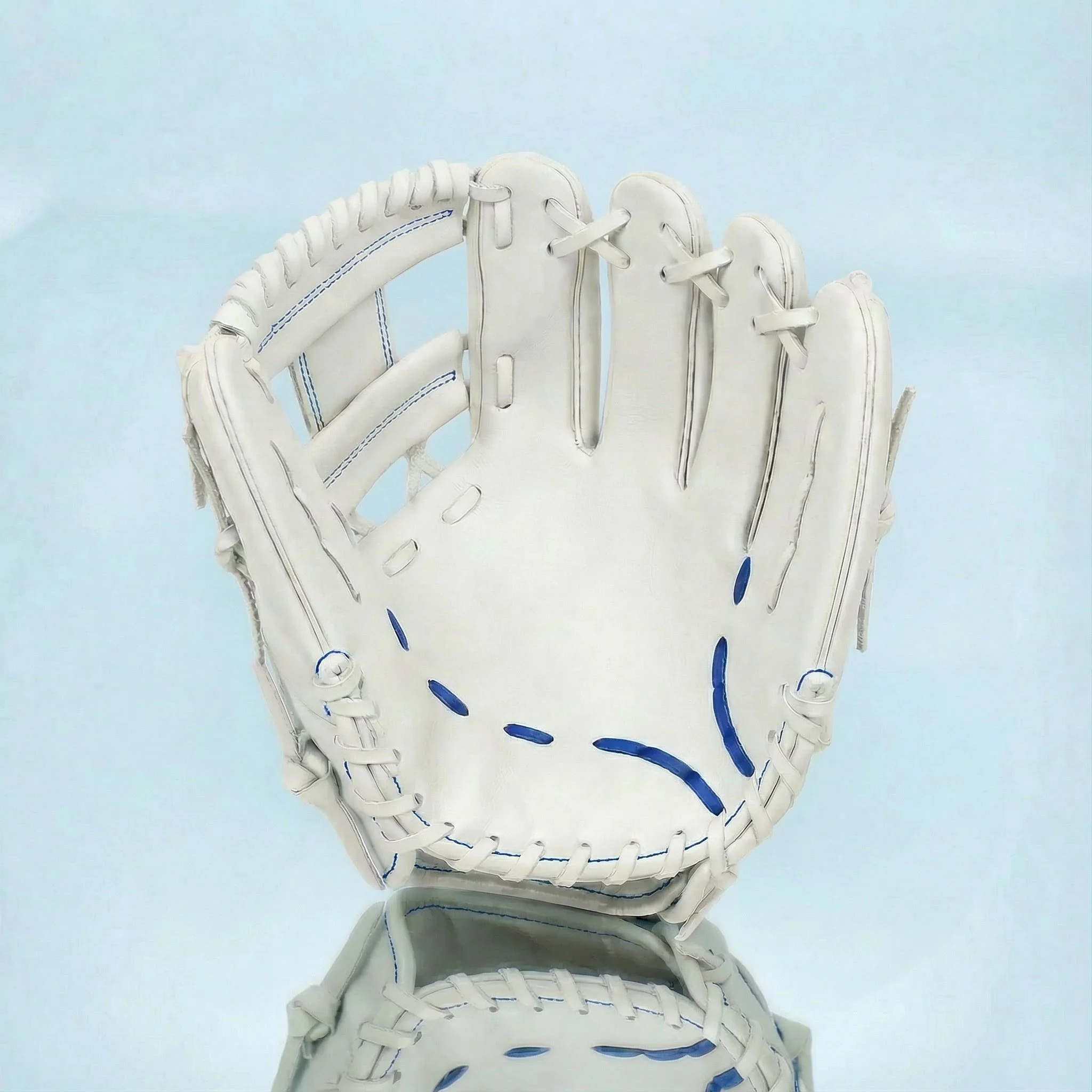
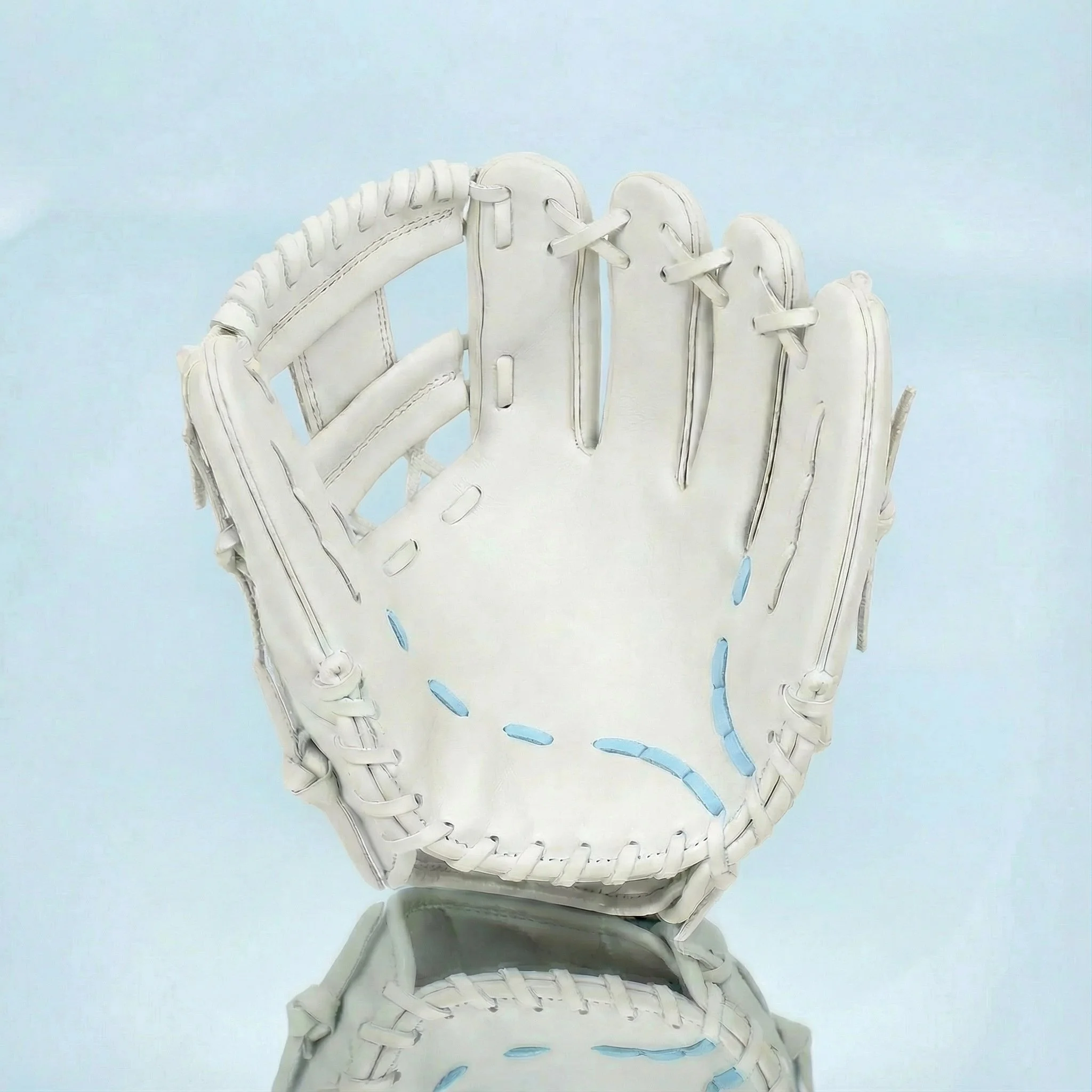
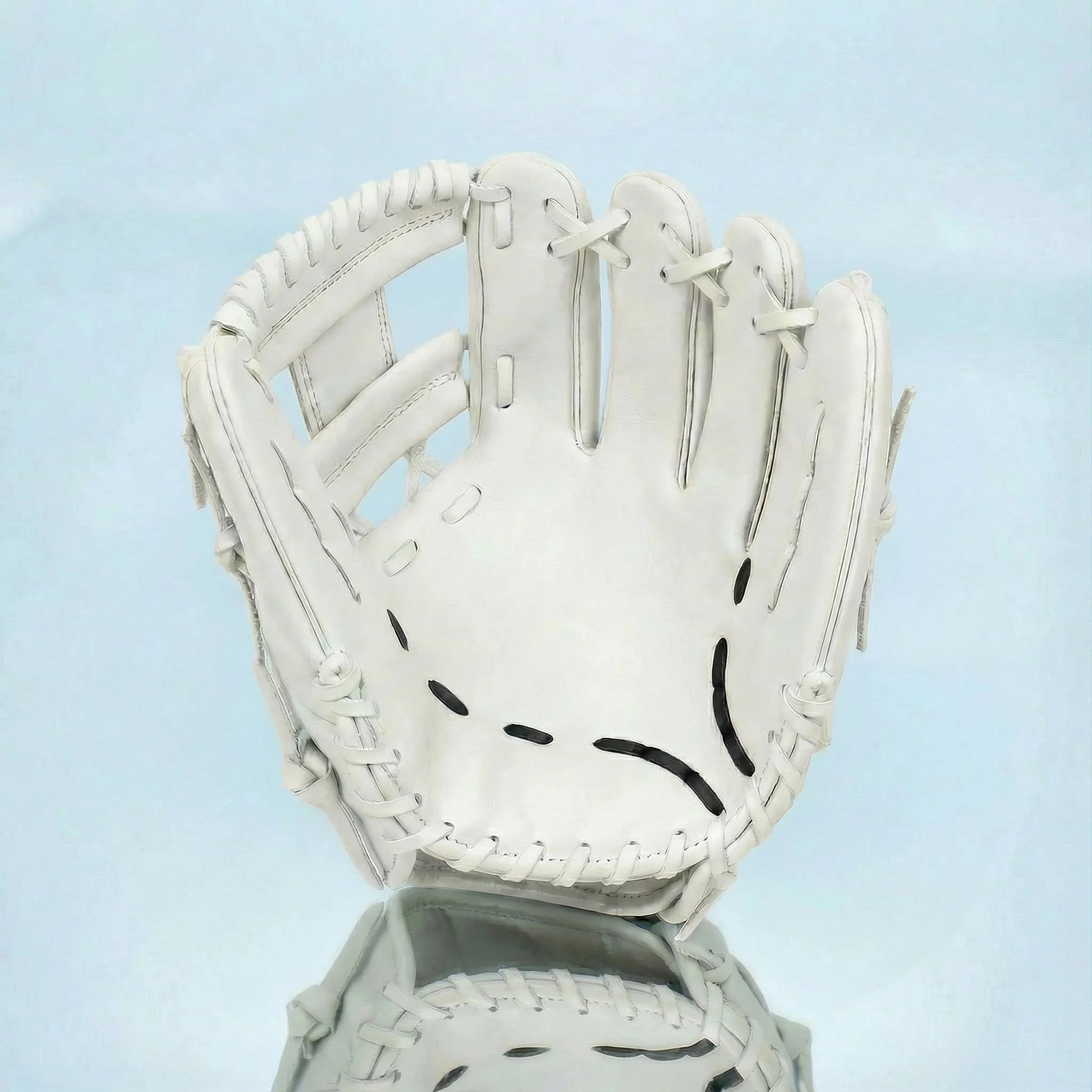
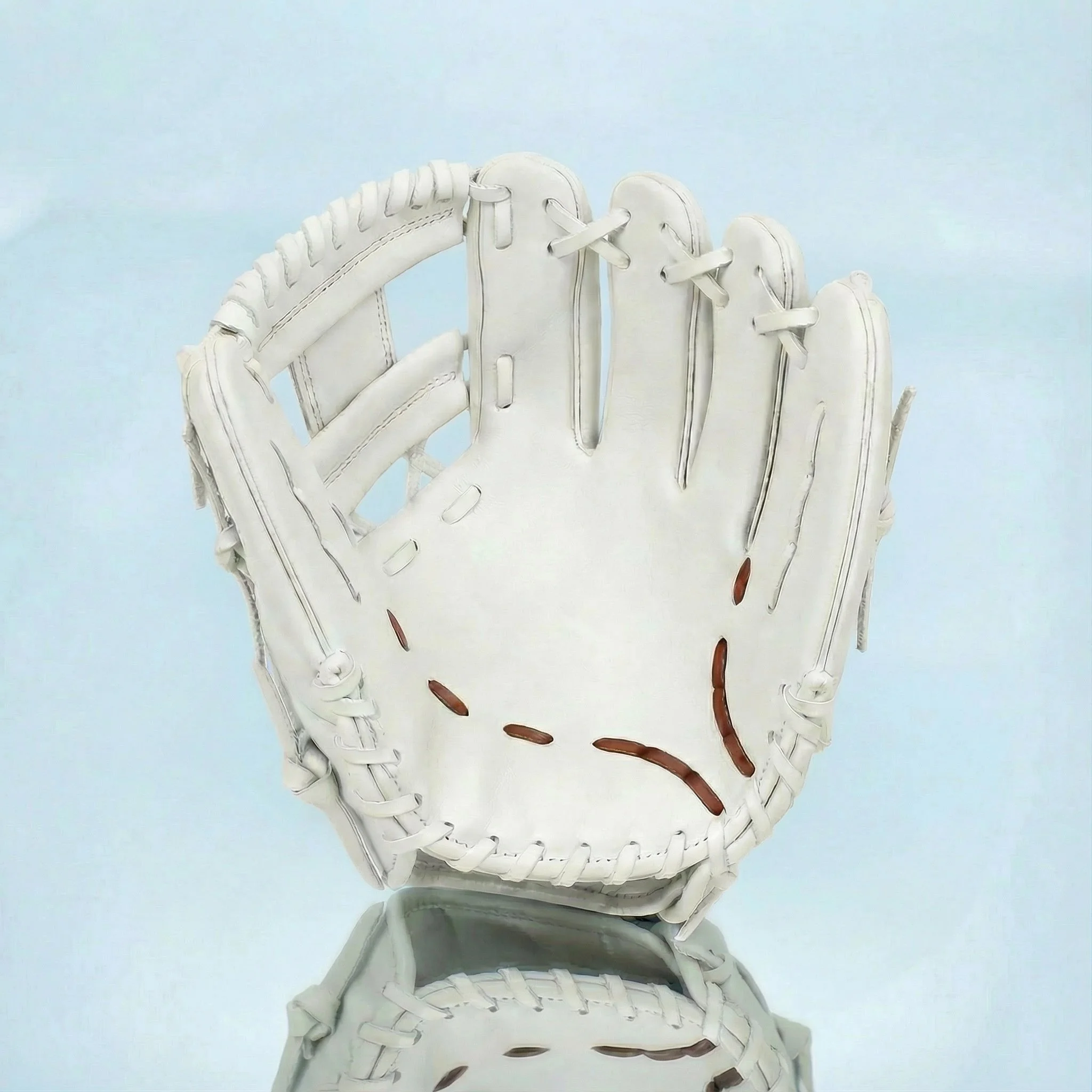
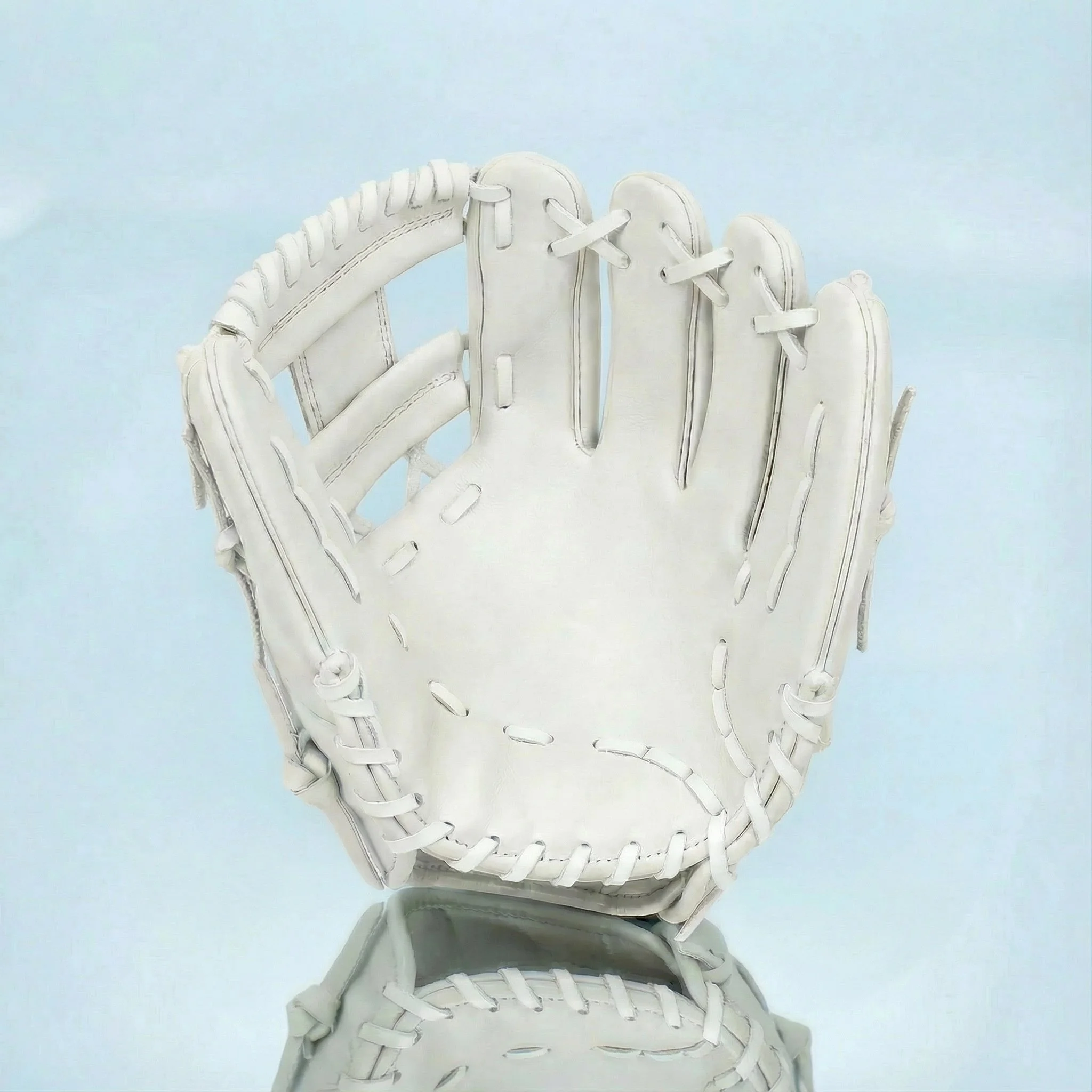
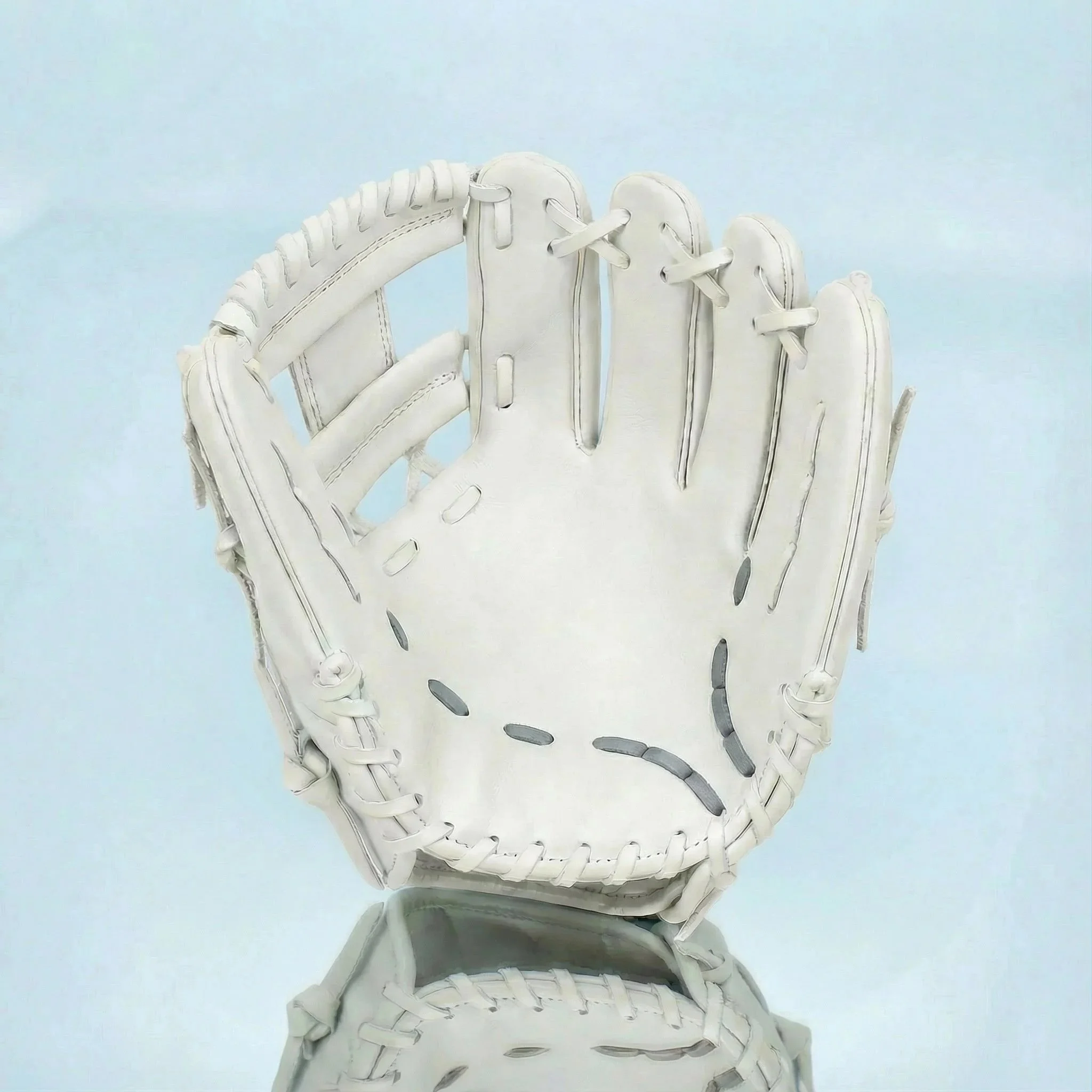
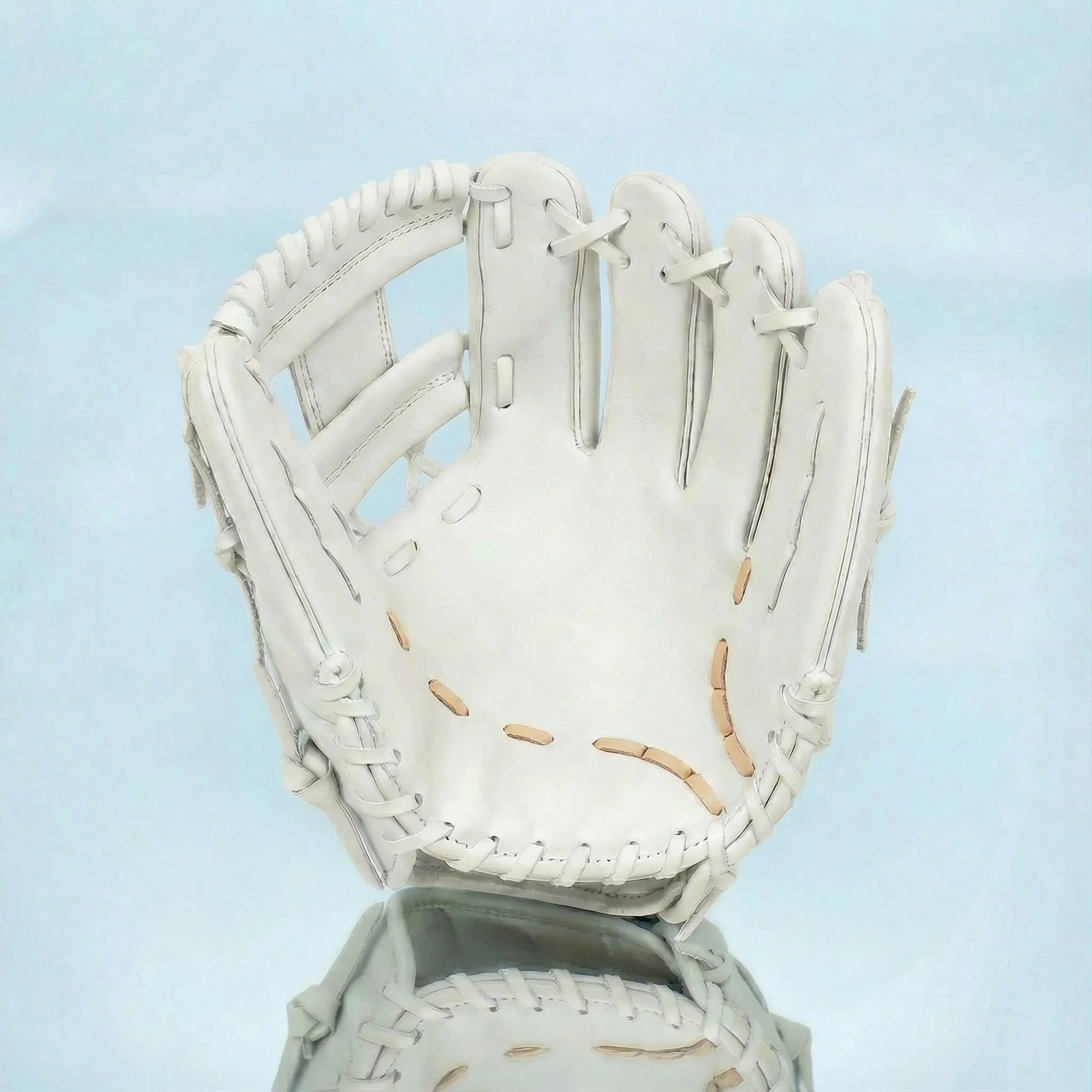
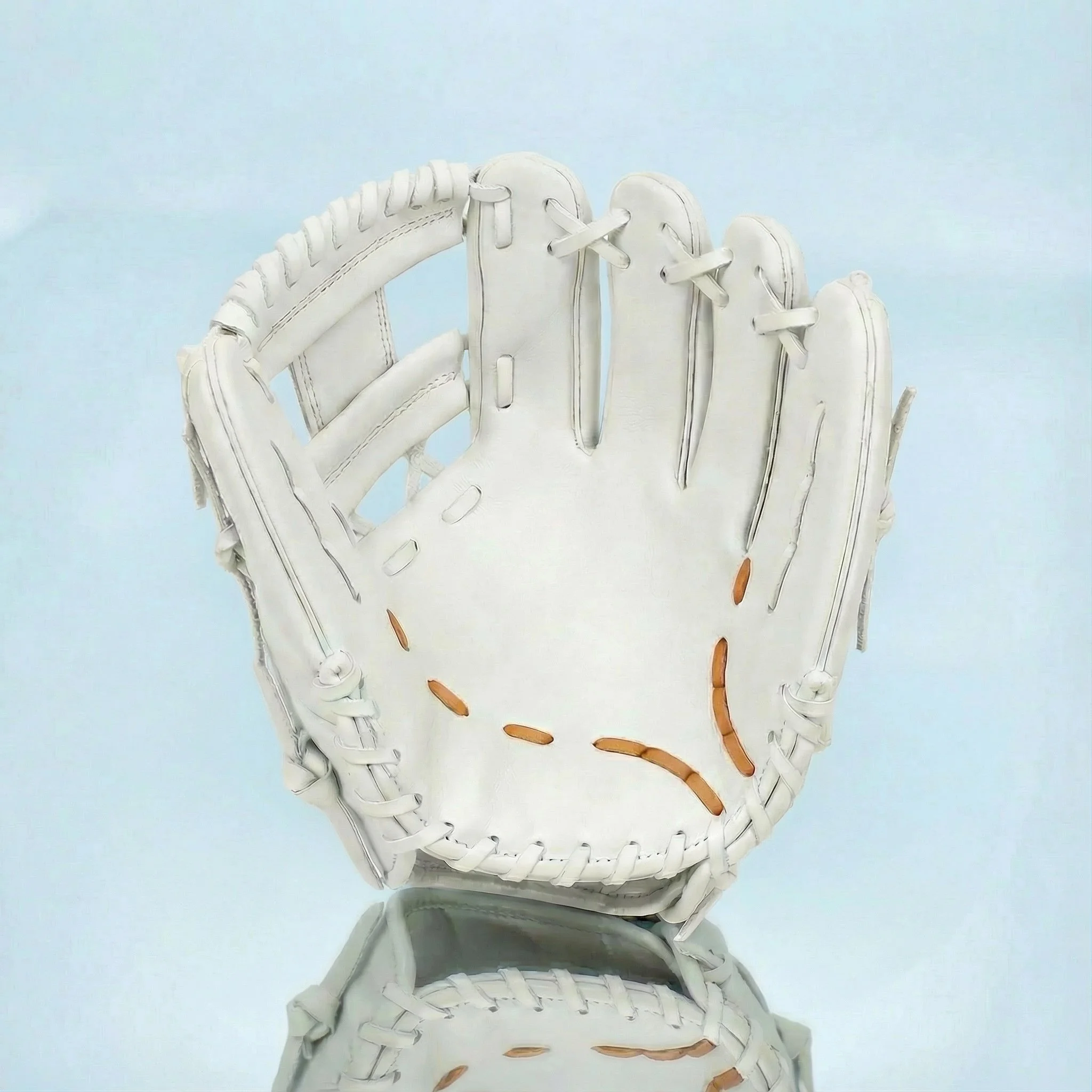
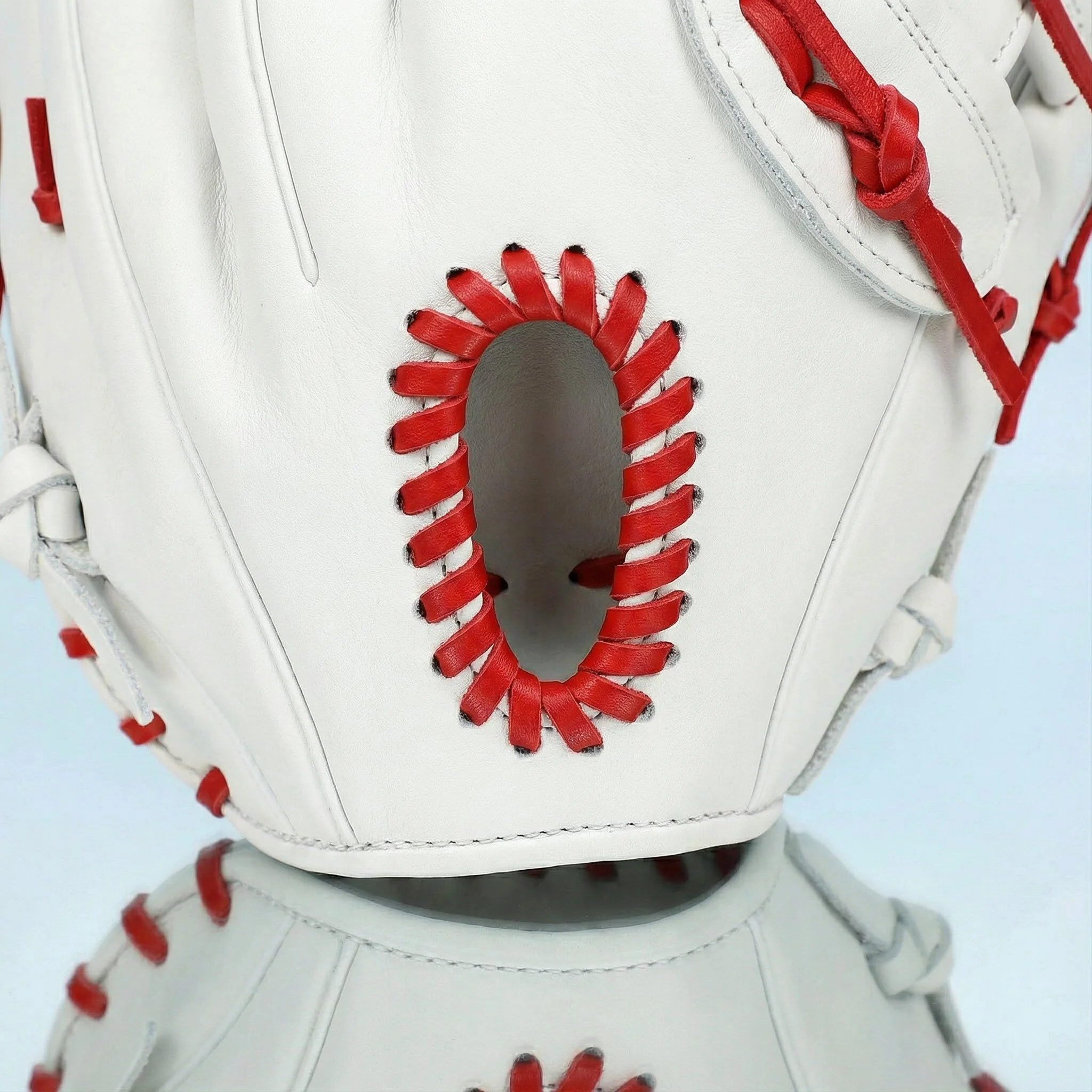
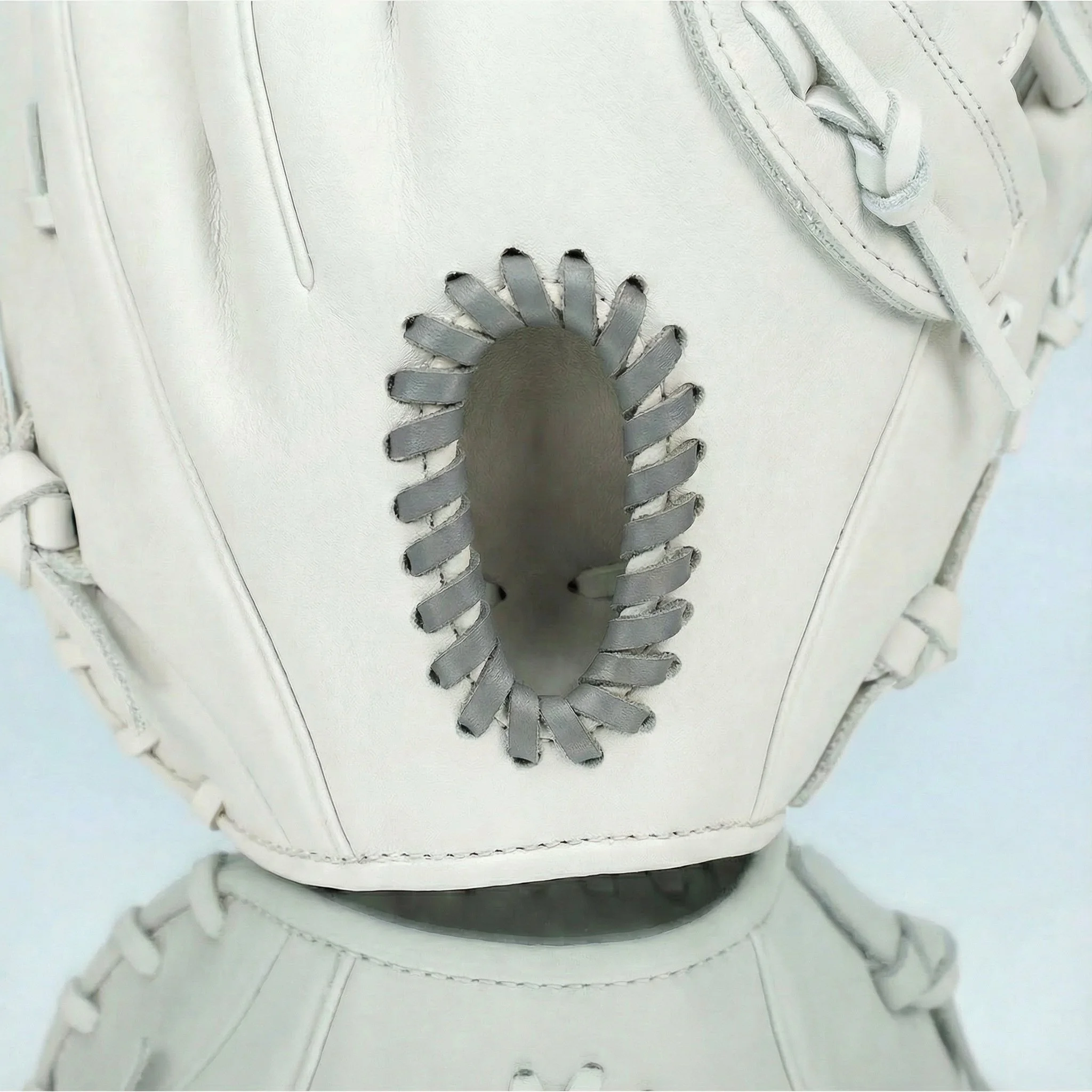
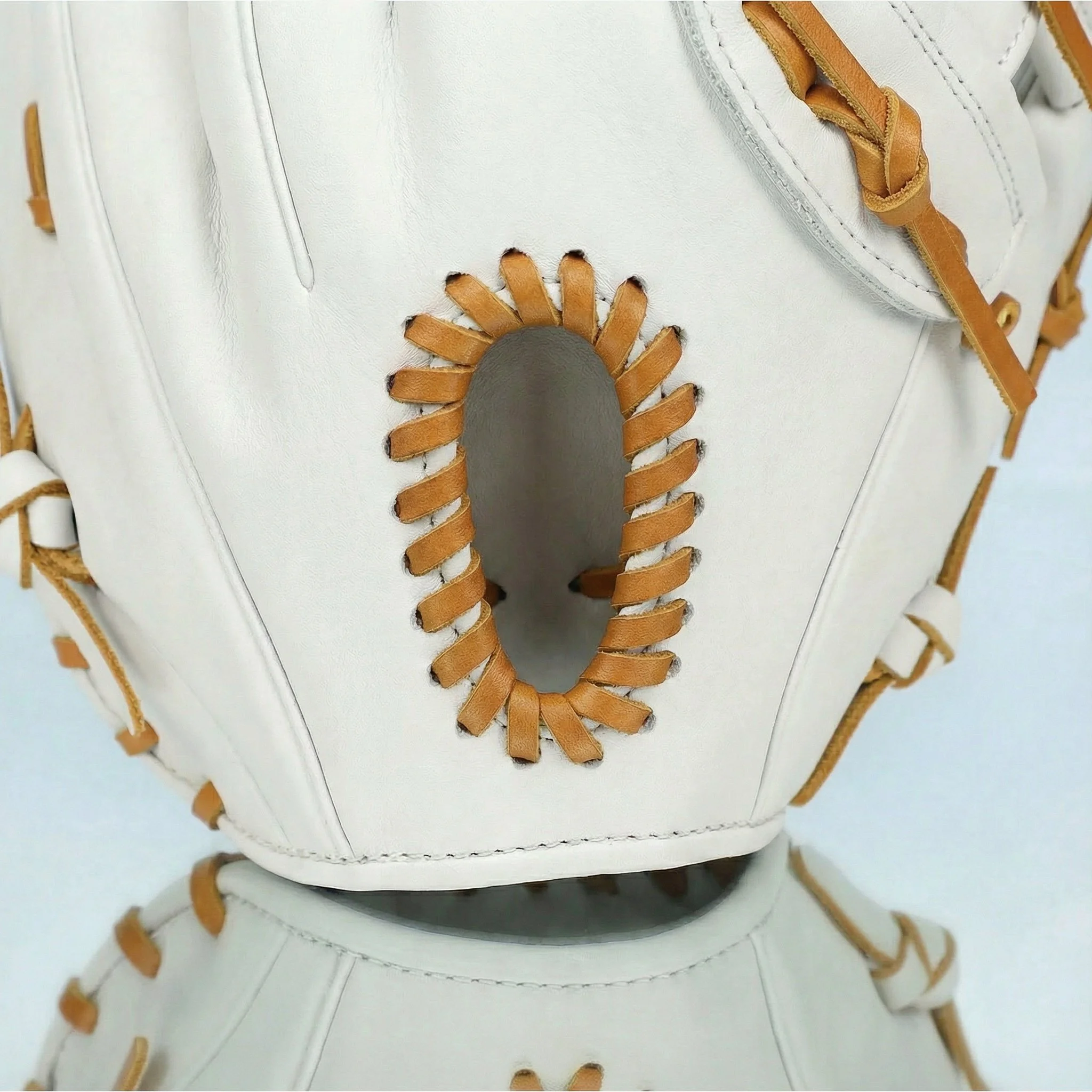
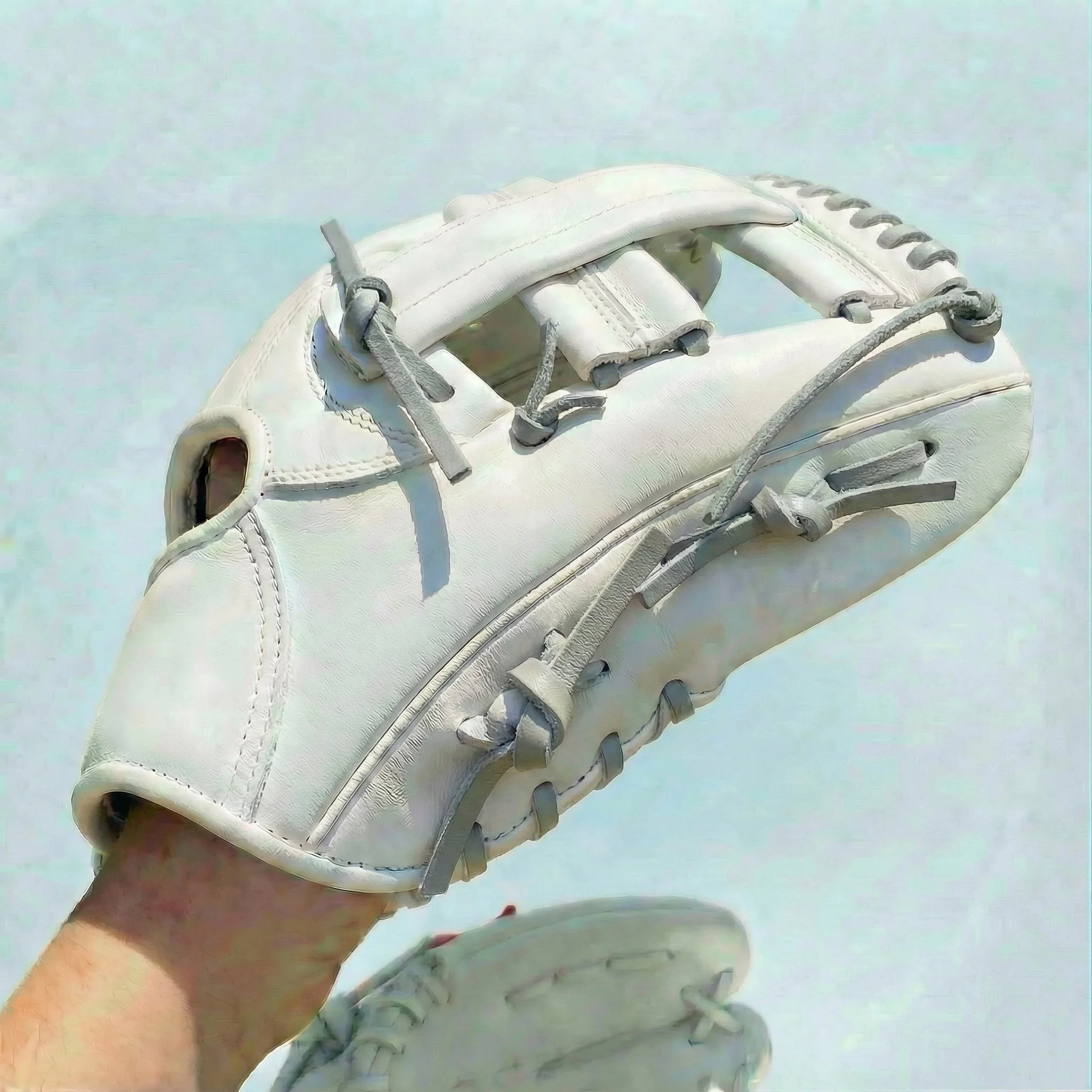
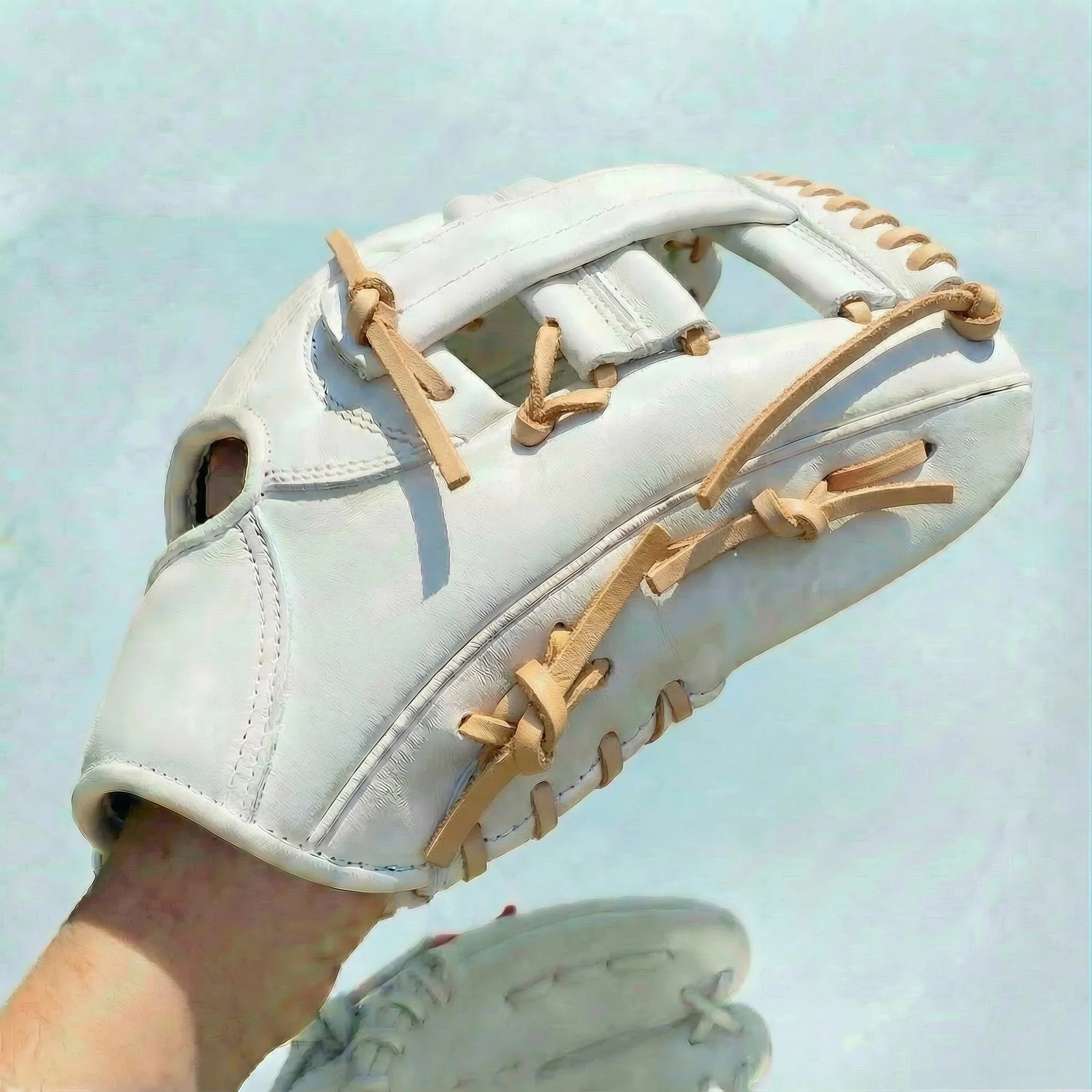
All of our laces come in 72” length and ~2.4 mm thickness. They’re cut from the same leather we use in our restoration work and custom gloves, pre-cut to proper lengths, and skived where needed for specific areas.
How Much Lace Do You Need
If you’re relacing a full glove, this is a good baseline:
Fielder’s glove: 2 laces
Trapeze web glove: 4–6 laces depending on configuration
Catcher’s mitt: 3–4 laces
First base mitt: 3–4 laces
If you want to be exact, position-specific lace sets give you exactly what you need.

The Tools You Actually Need
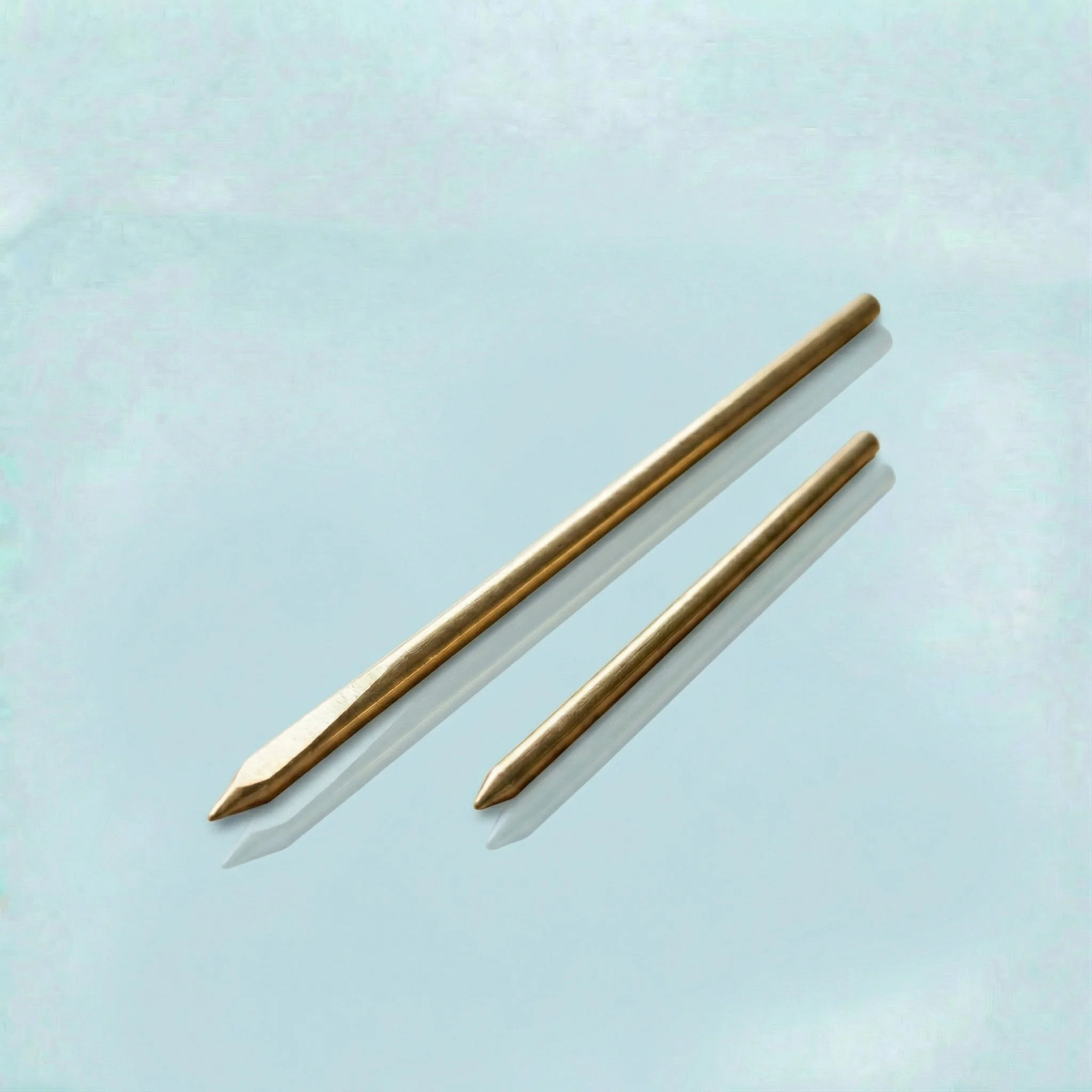
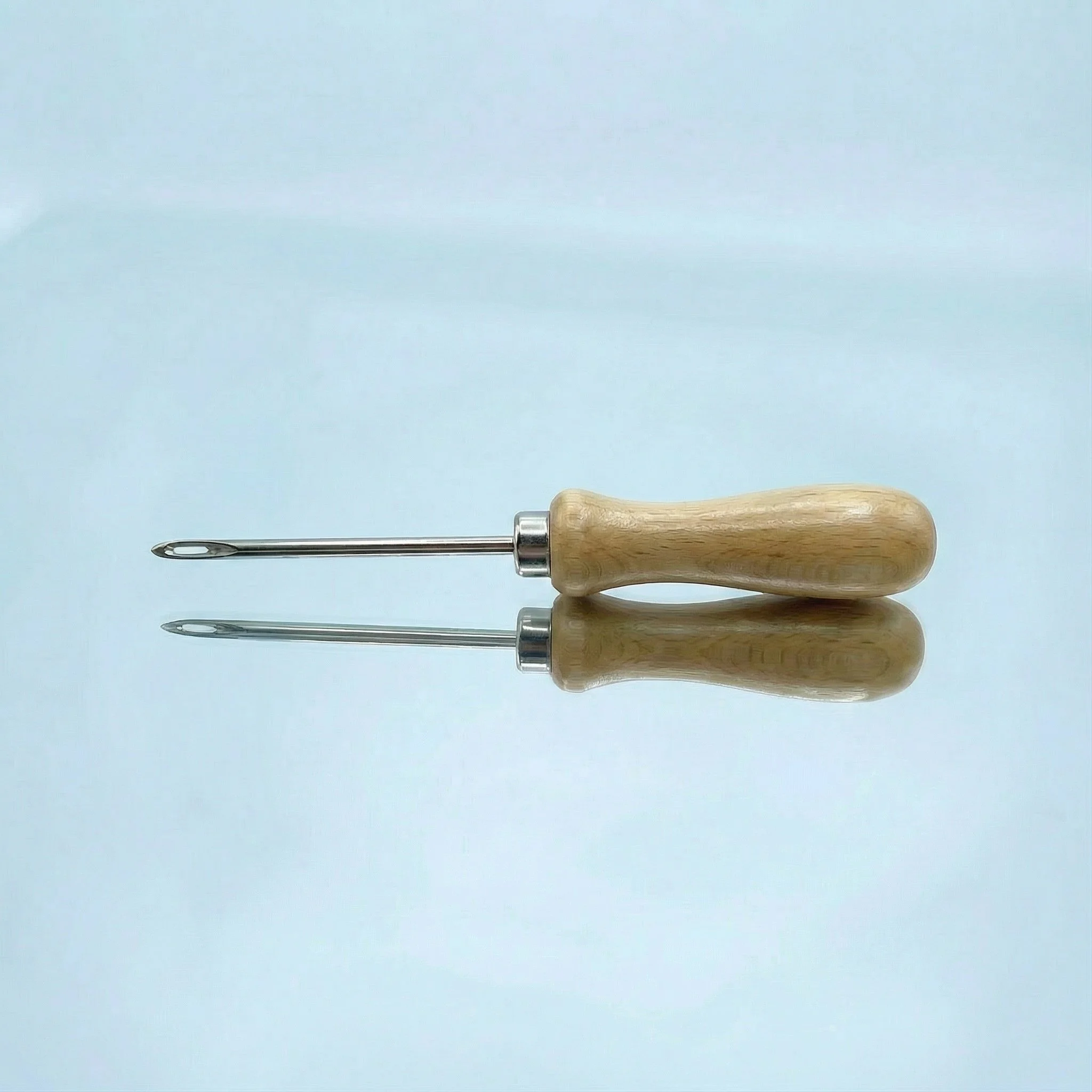
You don’t need a full setup, but you do need the right tools. To get started, you’ll want at least one lacing needle:
A large lace needle works for most gloves
A small lace needle helps with tighter areas
A wood handle pull needle is another option depending on preference
From there:
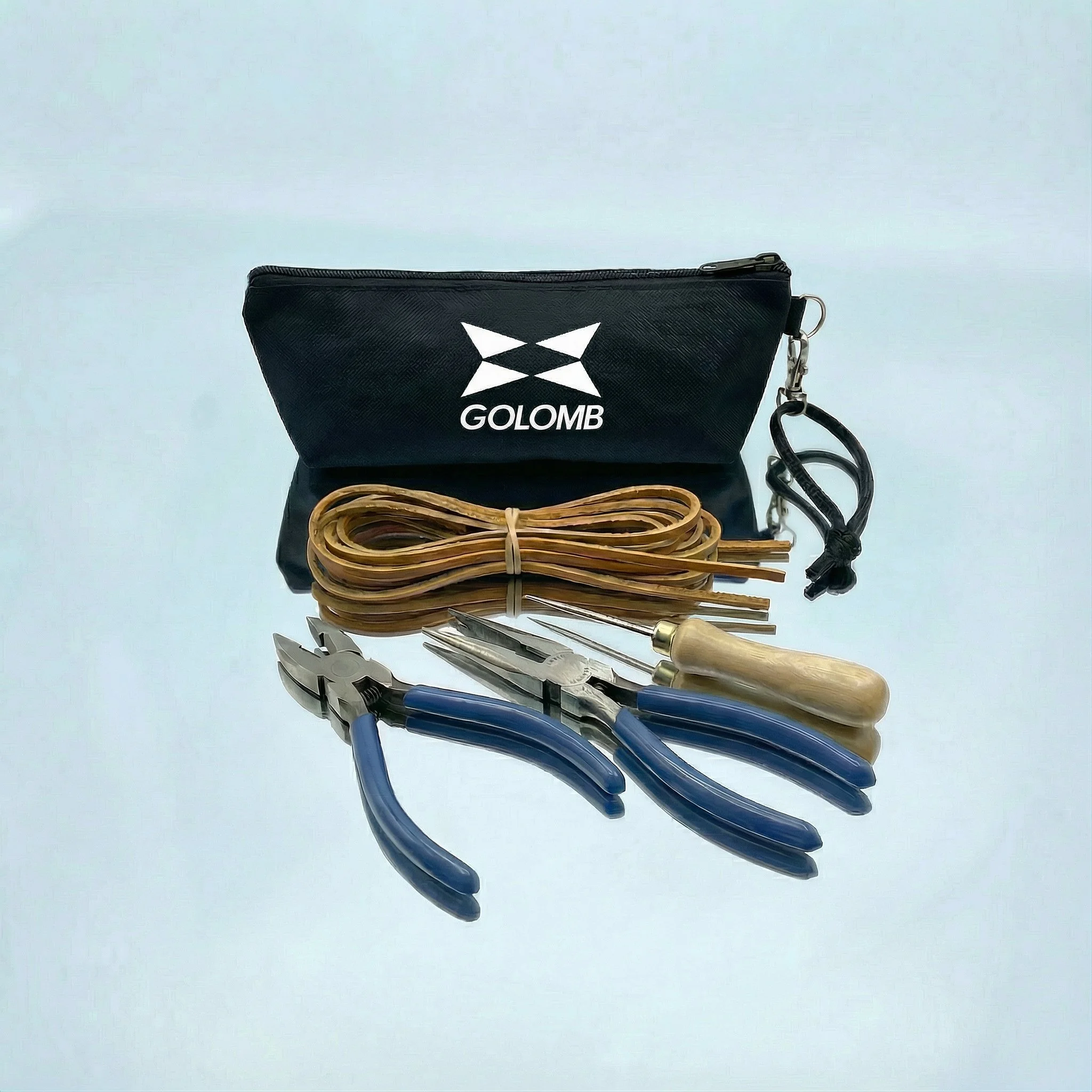
Needle-nose pliers help pull lace through tight spots and get it set properly
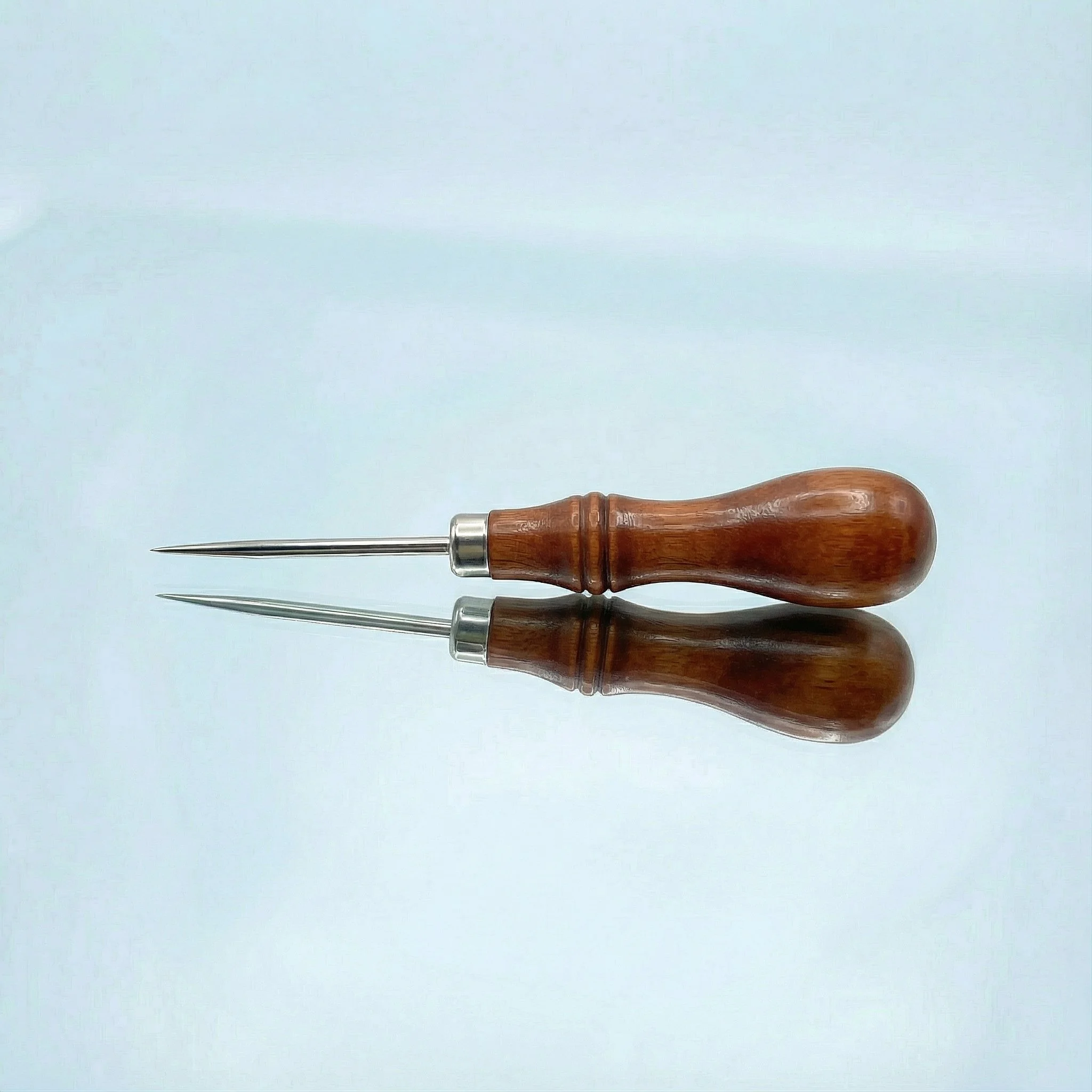
A leather awl can help clean holes or clear out old lace buildup
If you want everything in one place, the full re-lace kit includes all of the essential tools organized and ready to go.
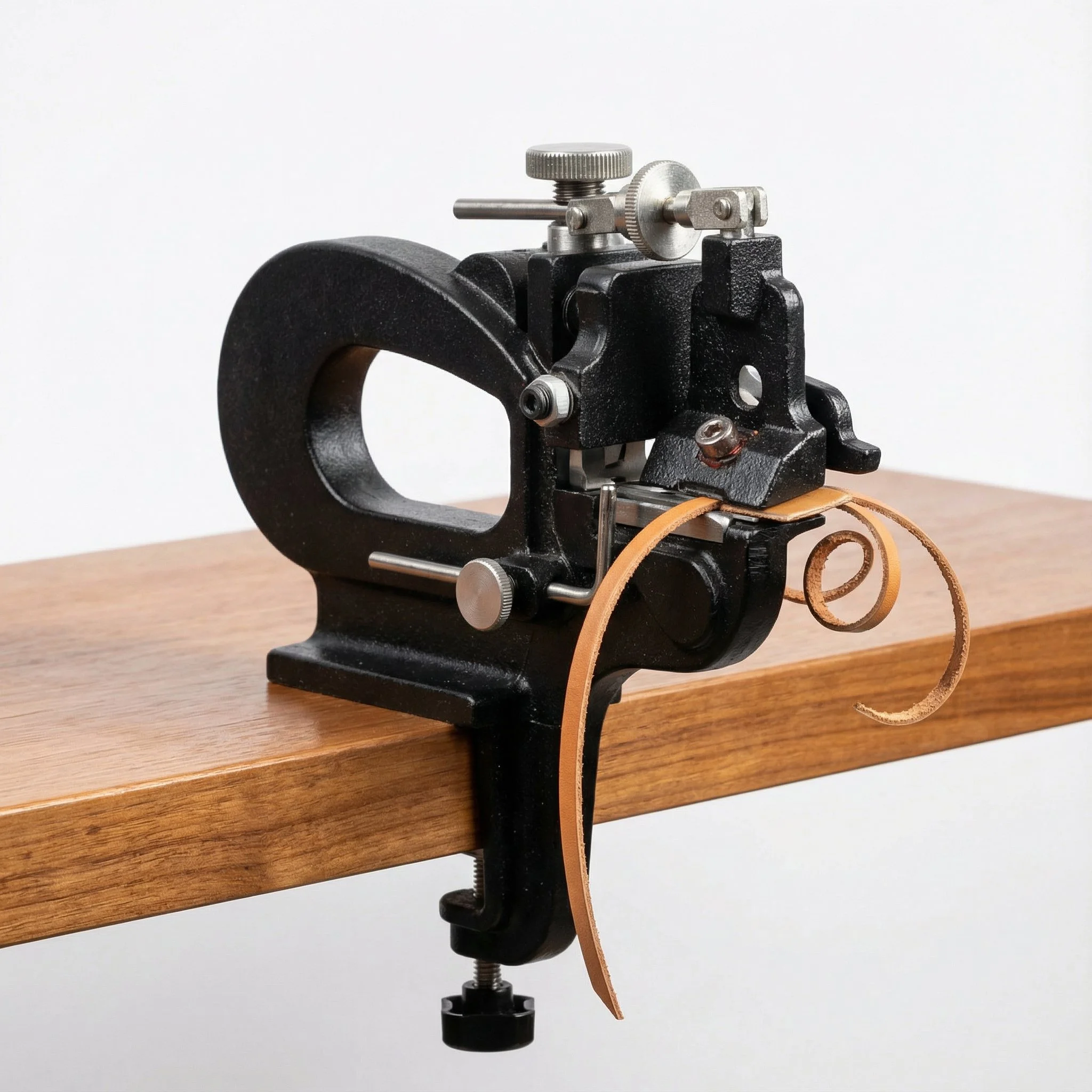
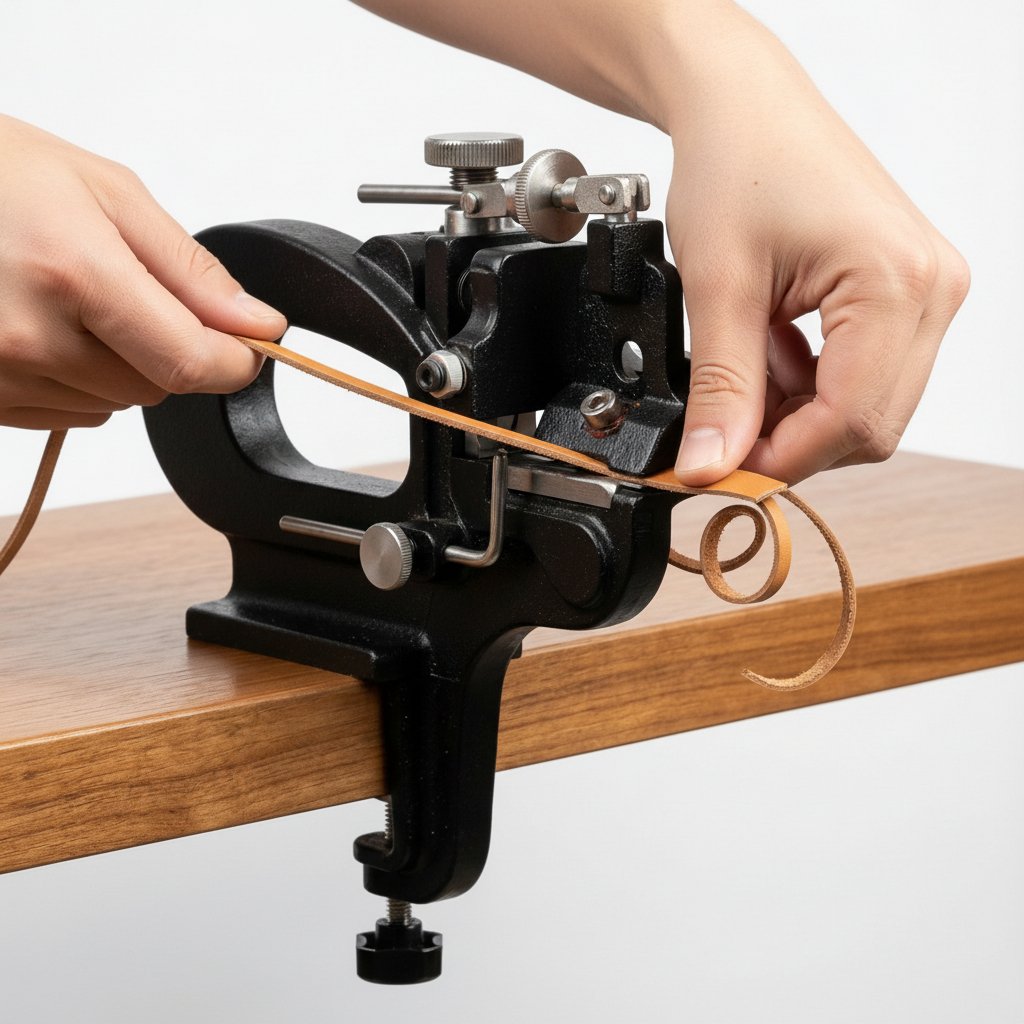
Lace Thinning (Skiving)
We offer lace thinning and skiving to customize your order.
Thinner laces (approximately 4 oz or 1.6 mm) are typically used for:
Palm
Heel
Certain webs
This makes the lace easier to work through tighter areas, gives you a bit more usable length, and creates a cleaner profile on the glove surface.

Before You Start
Before you relace your glove:
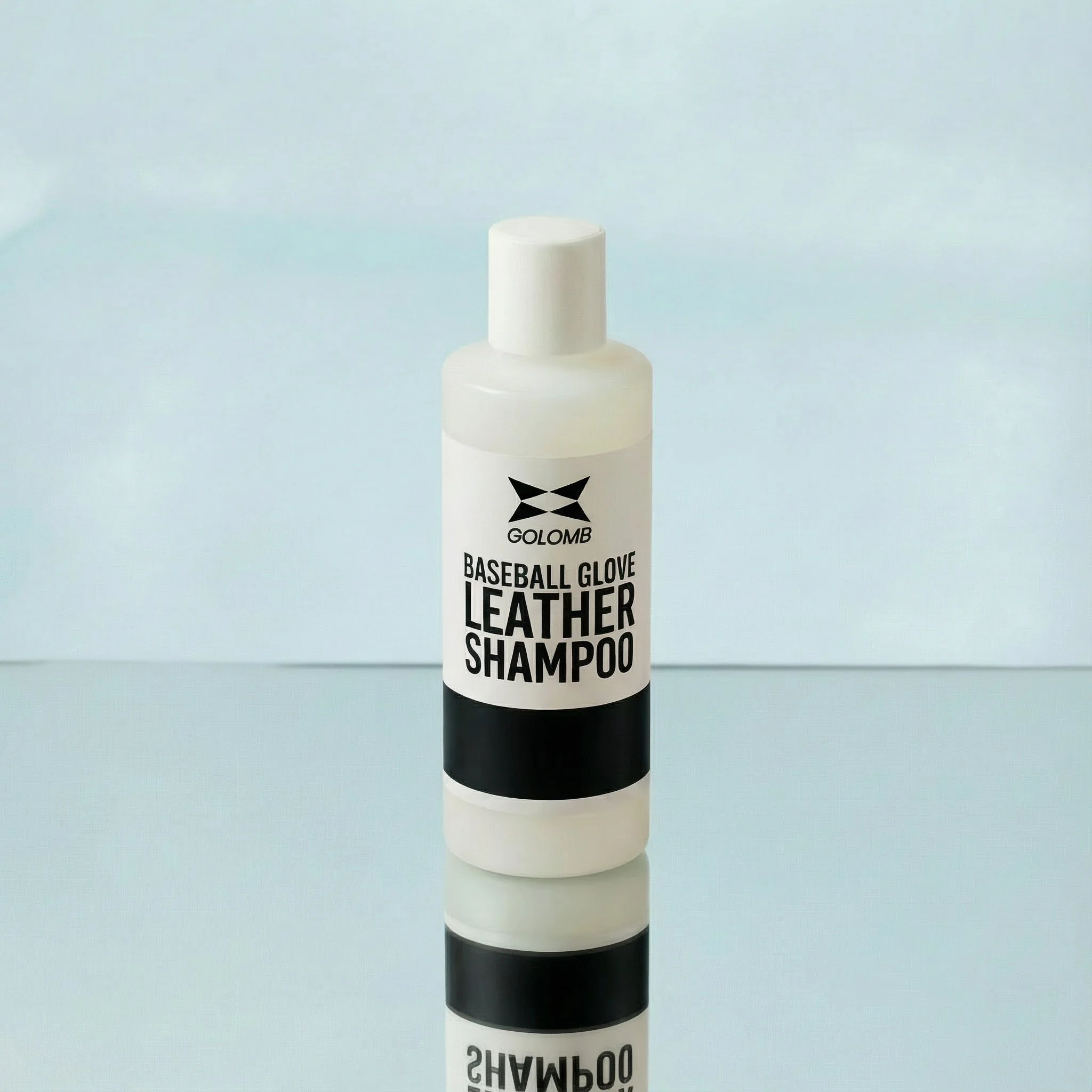
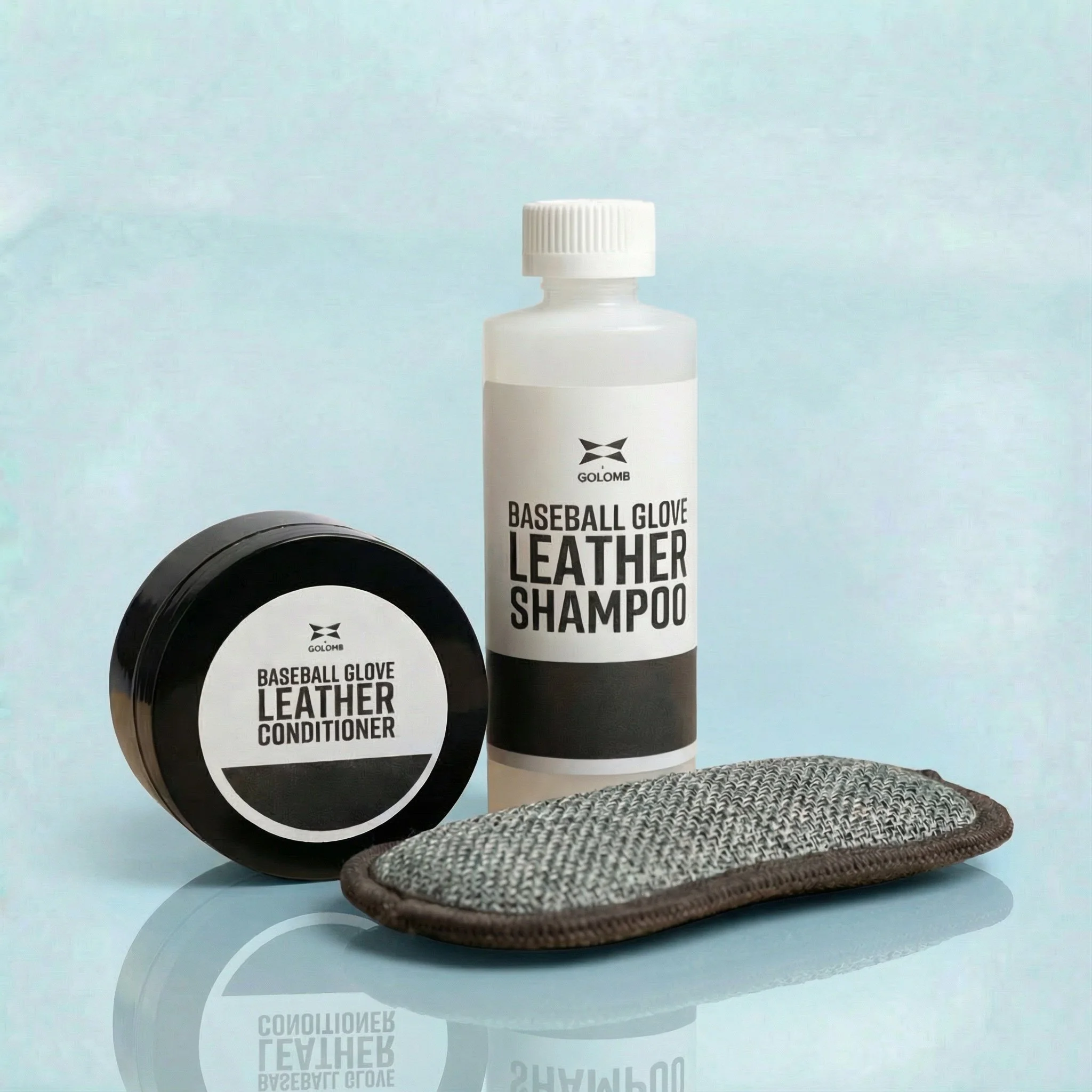
Clean the glove
Remove built-up dirt and grime
Let it dry completely
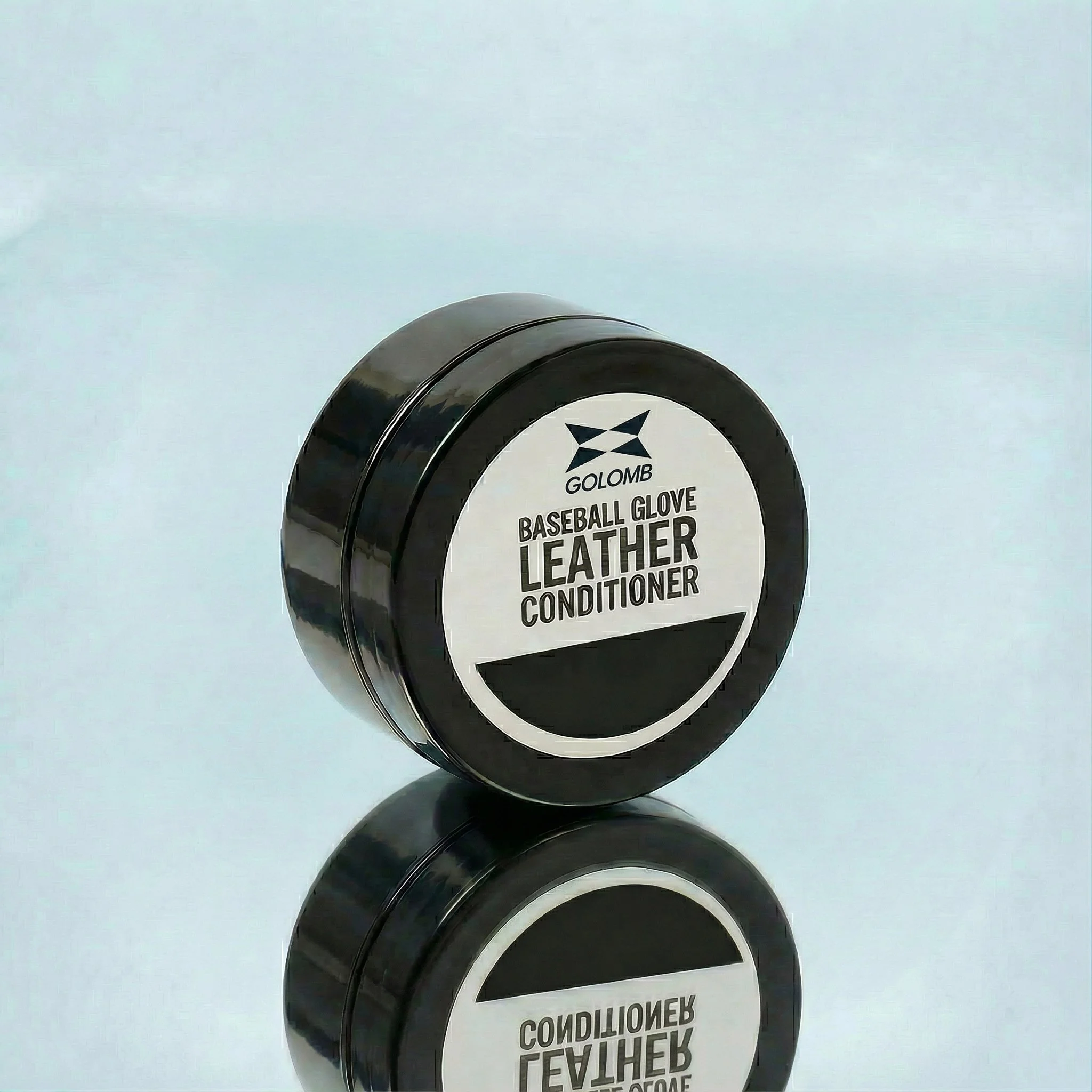
Apply conditioner lightly
This gives you clean access to the glove and makes the process more manageable.
Final Thought
Relacing is part of maintaining a glove. With the right materials and a clear understanding of how it’s put together, you can take it on yourself and keep your glove going. And if you decide you’d rather not handle it, we’re here to take it on for you.
