
Who Is The Original Glove Doctor?
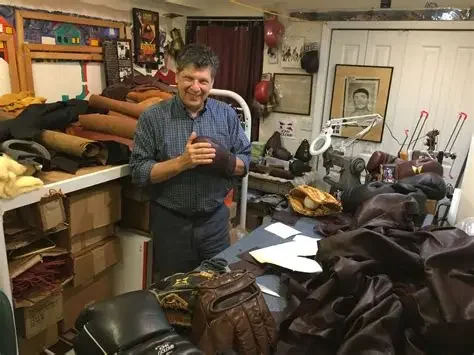
John Golomb has been running his own restoration business, on the same sewing machine, doing the same work since 1987. The machine has outlasted twelve cars and fifteen computers. It does not plan on stopping. Neither does he.
How He Got Here
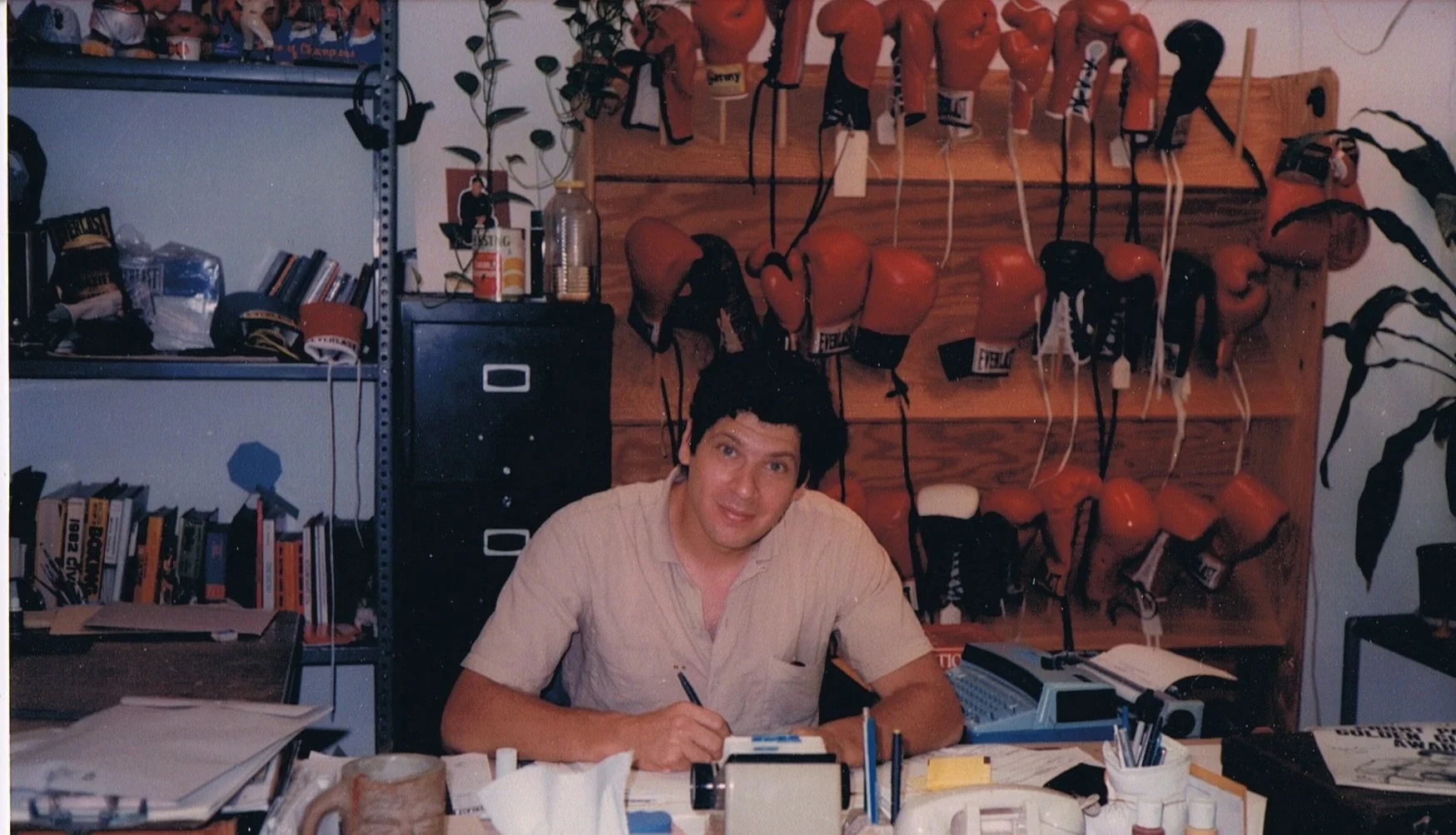
John Golomb is the third generation of a family that has been involved in sporting goods since 1910, when his great-grandfather Jack Golomb and Jack's brother Morris co-founded what would become one of the most recognized names in boxing equipment in the world. John grew up inside that world. He joined the family company in the late 1970s as a product designer, working directly with fighters and boxing commissions on equipment development and safety innovation.
In 1983 he redesigned the boxing headguard, producing new safety features that became the industry standard. That same year he designed the thumbless boxing glove to prevent eye injuries, work that led directly to the tied-thumb design that is mandatory in professional boxing today.
He left the family company in 1987 and started something new. Not boxing equipment. Baseball gloves.
The shift makes more sense than it might appear. The skills are the same. Leather, construction, fit, function, the relationship between a piece of equipment and the person using it. John had spent years understanding how gear works and what it needs to perform correctly. He brought all of that to the baseball glove and has not looked back.
What He Actually Knows
John's expertise is specific in a way that is difficult to replicate. He understands baseball glove leather at a level that goes beyond repair technique.
He can tell you why the leather in an American-made Wilson A2000 from the early 1980s is fundamentally different from the leather in a comparable glove made after production moved overseas. He can explain what changed in the tanning process, why the older leather ages better, and what that means for restoration. He has handled enough gloves from enough eras to know the difference by feel.
He understands glove construction historically. In 1998, the Yogi Berra Museum and Learning Center opened at Montclair State University in New Jersey. The founding director knew exactly who to call to curate the inaugural exhibition. John curated Glove Odyssey: The History of the Baseball Glove, an exhibit that walked visitors through the evolution of the baseball glove from the first fingerless leather versions to the modern mitt. That is the depth of knowledge we are talking about.
He understands the relationship between a player and their glove in a way that shapes every job that comes through the shop. He knows that a broken-in glove is not just soft leather. It is a record of use. The pocket has formed around the way a specific person catches. The heel has creased exactly where their hand closes. Restoration preserves that. It does not erase it.
The Standard That Does Not Change
Customers who send gloves to John regularly tell us the same thing. The glove came back better than it was when it was new. Better leather on the interior. Lacing that holds tension correctly. A pocket that is tight and responsive. A glove that plays like itself again.
That consistency over forty years is not an accident. It comes from someone who genuinely understands the material, takes the work seriously, and applies the same standard to every glove regardless of its age, brand, or original price.
John Golomb is the Original Glove Doctor. There is only one, and he has been at this bench since 1987.
If your glove needs work, get a free evaluation here.
Good equipment deserves great care.
