Why Baseball Glove Laces Break (And How to Prevent It)
Laces break for reasons that are mostly predictable, which means most lace failures are also preventable. Here is what causes it and what you can do about it.
Dryness is the main cause
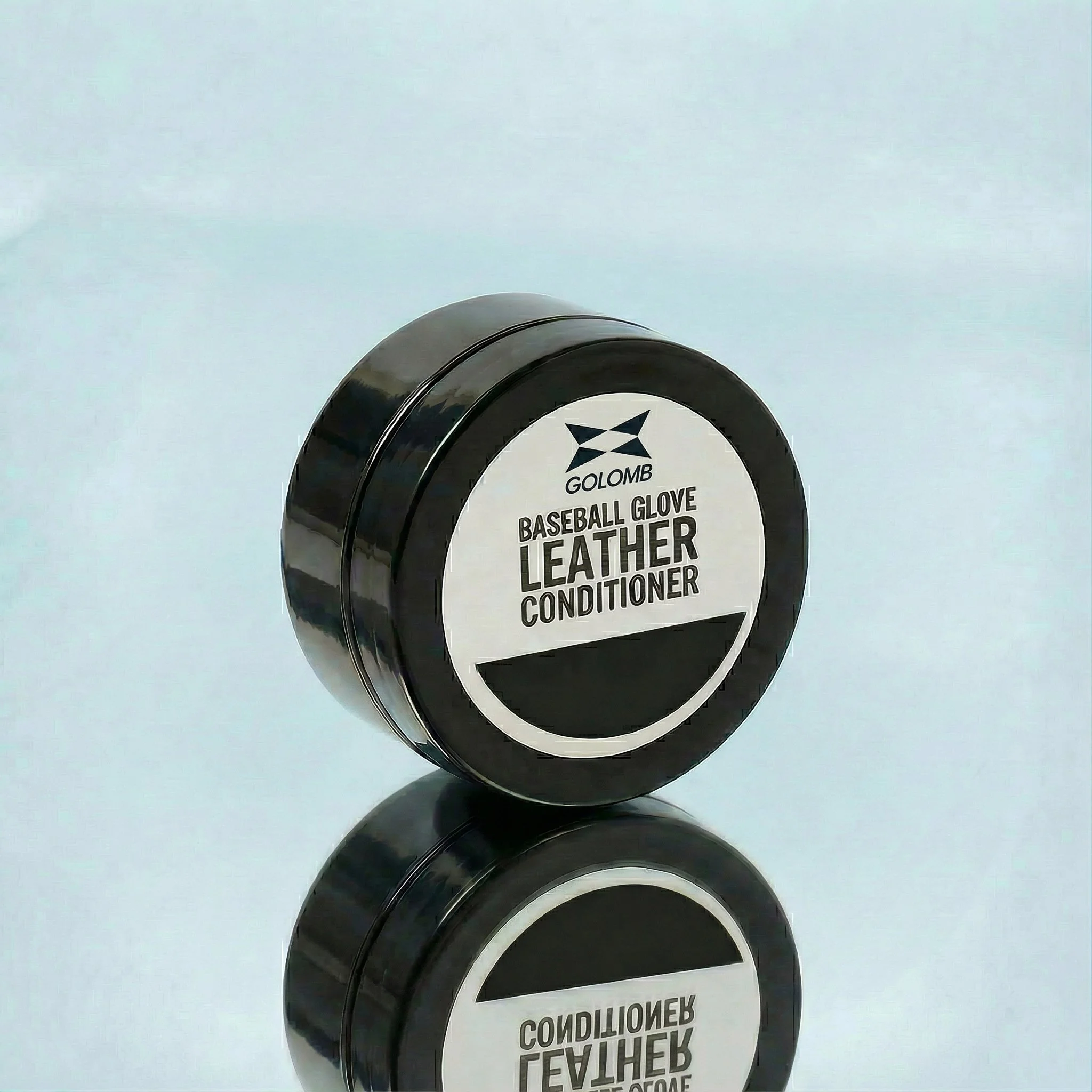
Leather laces need moisture to stay flexible and strong. A lace that has dried out becomes brittle. Brittle leather cracks under stress. The stress of a hard catch or a diving play is enough to snap a lace that has lost its flexibility. This is the most common cause of lace failure and the most preventable. Conditioning your glove regularly, including the laces, keeps the leather pliable and extends the life of the whole glove.
Age and fatigue
Laces that have been in a glove for years have been flexed thousands of times. Even well-maintained leather fatigues over time. The web lacing in particular takes direct impact on every catch and wears faster than lacing in other parts of the glove. There is no specific mileage number for when laces need replacing. The condition of the leather tells you more than the age does. A glove that has been conditioned regularly can have laces that look and feel good after many years. A glove that has been stored dry can have laces that are ready to fail after a single season.
Heat and sun exposure
Leaving your glove in a hot car is one of the fastest ways to dry out the leather. Heat pulls moisture out of leather quickly, and a glove left on a back seat in summer will age significantly in a short period of time. The same applies to leaving a glove in direct sun on the dugout bench for hours. Store your glove in a cool, dry place when it is not in use. Not sealed in a bag where moisture cannot escape, but not baking in the sun either.
Improper break-in methods
Some traditional break-in methods are harder on laces than others. Soaking a glove in water and then baking it in an oven, for example, can dry out lacing significantly. Pounding the pocket repeatedly with a mallet puts stress on the web lacing in particular. Breaking a glove in through actual use, supplemented with a quality conditioner, is gentler on the laces and produces a better result over time.
What to do when a lace breaks
Replace it promptly. A broken lace changes the tension throughout the glove and puts additional stress on the laces around it. One broken lace often leads to more if the glove keeps seeing use without repair. If one lace has broken and the others are the same age, it is worth considering a full relace rather than a single lace replacement. Laces installed at the same time age at the same rate. Replacing just the broken one is a short-term fix.
The laces we use
We carry premium American leather laces in our shop, the same ones we use in our restoration work. They are cut from full-grain hide, tanned for firmness and flexibility, and available in a wide range of colors. If you want to relace your own glove, these are the laces to use.
Good equipment deserves great care.